With more than 10‑year industry experience, Shandong Headpowder delivers full‑service pneumatic‑conveying systems and blowers, undertaking nationwide turn‑key powder‑handling projects.
Calcium hydroxide, commonly known as slaked lime, is a widely used chemical in various industrial processes. Its handling and transportation require efficient systems, especially when dealing with bulk quantities. Pneumatic conveying systems have emerged as a reliable solution for moving calcium hydroxide from storage to processing units. This article explores the different types of calcium hydroxide pneumatic conveying systems, their key characteristics, and the diverse application ranges where they are employed. Shandong HeadPowder Engineering Co., Ltd., a leading manufacturer of industrial material handling systems, provides comprehensive solutions for calcium hydroxide pneumatic conveying, ensuring optimal performance and safety in various industrial applications.
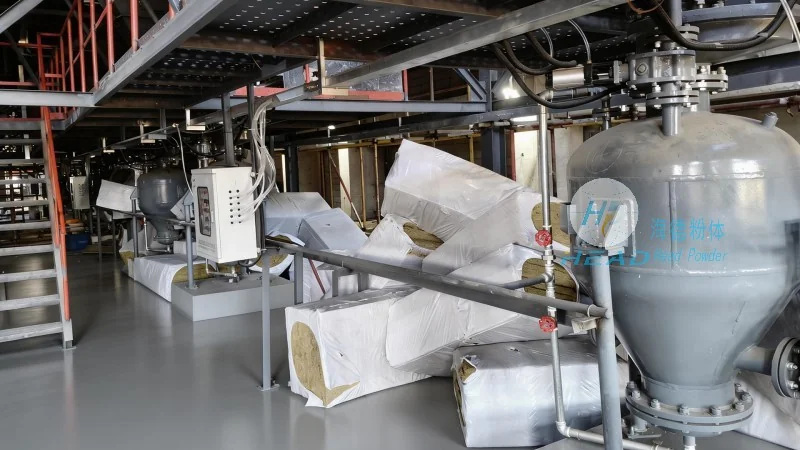
Calcium hydroxide is a white powder with a Mohs hardness of about 1.5, making it relatively soft and prone to dust generation during handling. Pneumatic conveying systems utilize air or gas to transport the material, offering advantages such as reduced labor costs, minimized material contamination, and improved safety compared to traditional methods like belt conveyors or bucket elevators. The choice of pneumatic conveying system depends on factors like material properties, distance, and throughput requirements.
There are primarily two types of pneumatic conveying systems used for calcium hydroxide: positive pressure systems and negative pressure systems. Each type has distinct operational principles and is suitable for different scenarios.
Positive pressure systems operate by blowing air or gas into the conveying line, creating a pressure higher than the ambient air. The material is drawn into the line by the moving air stream and transported to the destination. This type is ideal for short to medium distances and when the material is to be discharged into a single point. Key features include high conveying capacity, low maintenance requirements, and the ability to handle abrasive materials. For calcium hydroxide, positive pressure systems are often preferred when the material needs to be conveyed to a processing plant or storage silo where a single discharge point is sufficient.
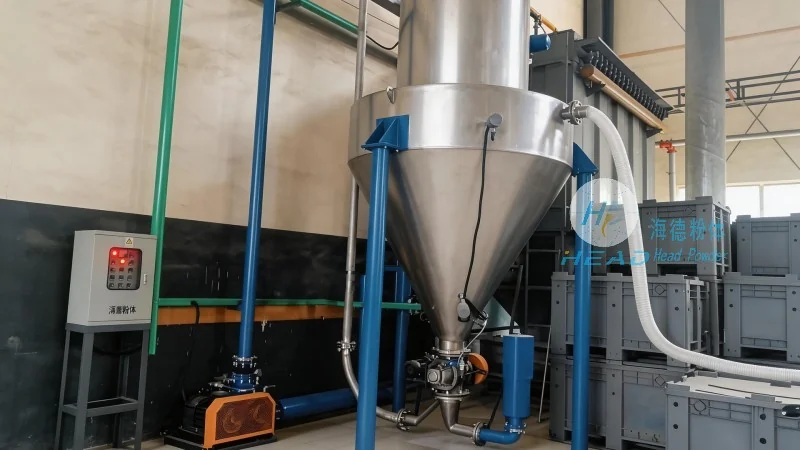
Negative pressure systems, also known as vacuum systems, operate by creating a vacuum in the conveying line. The material is drawn into the line by the suction created by the vacuum pump. This type is suitable for longer distances and when multiple pick-up points are required. Negative pressure systems are particularly useful for applications where the material needs to be transported from multiple sources to a central processing unit. They offer advantages such as reduced dust emissions at the pick-up points and the ability to handle fine powders without clogging the system. However, they may have lower conveying capacities compared to positive pressure systems and require more maintenance due to the vacuum components.
Regardless of the type, calcium hydroxide pneumatic conveying systems share several key characteristics that contribute to their effectiveness and reliability.
The primary characteristic of these systems is their ability to handle calcium hydroxide efficiently. The systems are designed to handle the specific properties of calcium hydroxide, such as its dustiness and potential for caking. Specialized components like rotary valves, airlocks, and filter bags are used to ensure smooth material flow and prevent blockages. The use of appropriate air velocities and pressure differentials ensures that the material is conveyed without excessive wear on the system components.
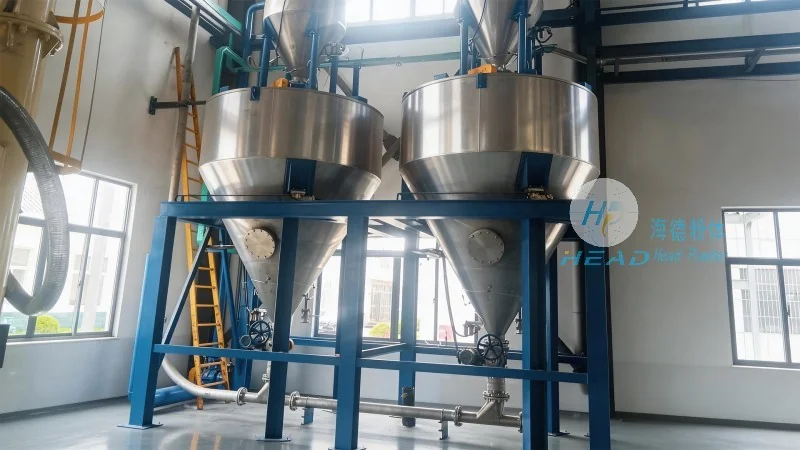
Calcium hydroxide is a caustic material that can cause skin and eye irritation. Pneumatic conveying systems are designed with safety features to minimize exposure risks. These include enclosed conveying lines, dust collection systems, and proper ventilation to prevent dust accumulation. The systems also help in reducing the risk of dust explosions by controlling the concentration of dust in the air. Additionally, the use of positive pressure systems can help in preventing the ingress of contaminants into the material stream.
Calcium hydroxide pneumatic conveying systems can be customized to meet specific application requirements. Manufacturers can design systems with varying conveying capacities, distances, and number of pick-up points. The systems can be scaled up or down based on the production needs of the facility. This flexibility allows industries to adapt the system as their operations grow or change. For example, a small-scale operation may start with a basic positive pressure system and upgrade to a more complex negative pressure system as the demand for calcium hydroxide increases.
Calcium hydroxide pneumatic conveying systems are used in a wide range of applications across various industries. The versatility of the material and the efficiency of the conveying systems make them suitable for diverse processes.
In the construction industry, calcium hydroxide is used as a component in plaster, mortar, and concrete. Pneumatic conveying systems are used to transport calcium hydroxide from storage silos to mixing plants or batching stations. This ensures a consistent supply of material and reduces the time required for manual handling. The systems are particularly useful in large construction projects where multiple batches of calcium hydroxide are needed. The positive pressure systems are often used for short distances within the plant, while negative pressure systems may be used to transport material from off-site storage to the construction site.
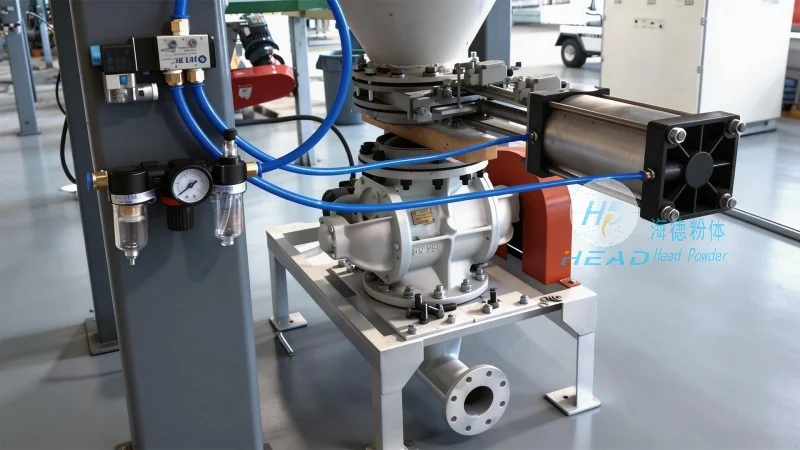
Calcium hydroxide is widely used in water treatment processes to adjust pH levels and neutralize acidic water. Pneumatic conveying systems are employed to deliver the material to water treatment plants. The systems ensure that the calcium hydroxide is added to the water treatment process in precise quantities, which is crucial for maintaining water quality. The negative pressure systems are commonly used in this application as they can handle the material from multiple sources and transport it to the treatment plant over longer distances. The systems also help in reducing the environmental impact by minimizing dust emissions during transportation.
Calcium hydroxide is used as a food additive and in pharmaceutical formulations. Pneumatic conveying systems are used to transport the material to processing units in the food and pharmaceutical industries. The systems are designed to meet the stringent hygiene and safety standards of these industries. The use of positive pressure systems is preferred in food processing as they help in preventing contamination from external sources. The systems are also equipped with filters and cleaning mechanisms to ensure that the material remains free from contaminants. The conveying systems are typically used for short distances within the facility, ensuring that the material is handled in a controlled environment.
In chemical manufacturing, calcium hydroxide is used as a raw material in the production of other chemicals. Pneumatic conveying systems are used to transport the material from storage to reaction vessels or processing units. The systems are designed to handle the specific chemical properties of calcium hydroxide, such as its reactivity with other chemicals. The negative pressure systems are often used in this application as they can handle the material from multiple storage points and transport it to the processing units over longer distances. The systems also help in maintaining the purity of the material by preventing cross-contamination from other chemicals.

 Shandong Headpowder Engineering Co., Ltd.
 156-6277-7102(Manager Zhang)
  0531-83386006
  Zhangqiu District, Jinan City, Shandong Province, China
telephone
WeChatconsult
top