With more than 10‑year industry experience, Shandong Headpowder delivers full‑service pneumatic‑conveying systems and blowers, undertaking nationwide turn‑key powder‑handling projects.
When it comes to transporting borax granules, selecting the right gas-pneumatic conveying method is crucial for efficiency, cost-effectiveness, and operational reliability. Two primary approaches dominate the industry: positive pressure conveying and negative pressure conveying. Each method has distinct characteristics, advantages, and applications, making it essential to understand their differences to choose the optimal solution for specific operational needs.
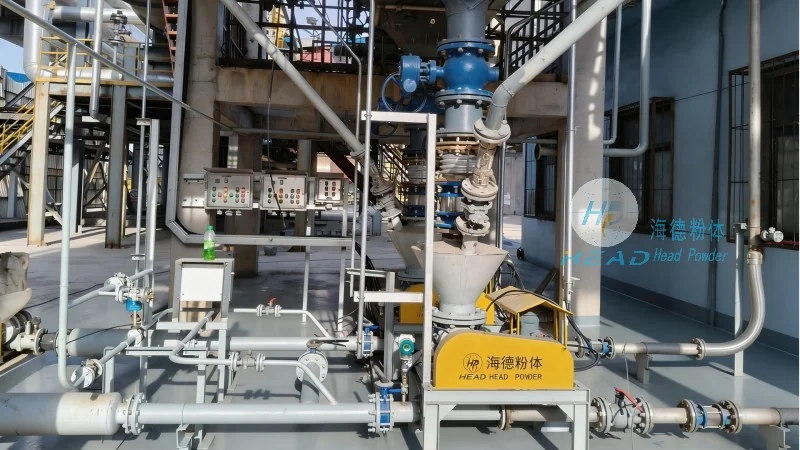
Positive pressure conveying, also known as pressure pneumatic conveying, operates by blowing air or other gases into the conveying system under pressure. This method forces the material to move through the pipeline from the inlet to the outlet. For borax granules, this approach is particularly effective when dealing with materials that are free-flowing and non-abrasive, as the high-pressure air ensures consistent and reliable transport. The system typically includes a blower, a hopper, and a pipeline network, with the pressure maintained throughout the entire conveying line. This method is often preferred for applications requiring high throughput and minimal material degradation, as the controlled pressure helps prevent particle breakage and ensures a smooth flow.
One of the key advantages of positive pressure conveying is its ability to handle long-distance and high-capacity transport. By maintaining consistent pressure, the system can move large volumes of borax granules over significant distances without the need for multiple transfer points. This reduces operational downtime and increases overall productivity. Additionally, positive pressure systems are generally more resistant to blockages, as the high-pressure air helps clear any obstructions in the pipeline. For borax granules, which can sometimes be prone to bridging or caking, this characteristic is particularly beneficial. The method also allows for easier integration with other processing equipment, such as storage silos and packaging units, as the pressure can be adjusted to match the requirements of downstream processes.
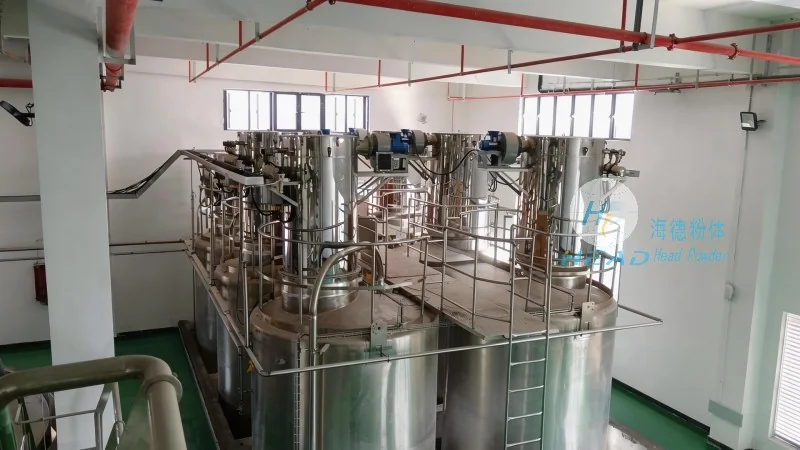
Negative pressure conveying, or vacuum pneumatic conveying, works by creating a vacuum in the pipeline, which draws the material from the source into the system. This method is often used for applications where the material needs to be transported from a higher elevation to a lower one, or where the material is sensitive to pressure changes. For borax granules, negative pressure conveying is suitable for shorter distances and when the material is relatively dry and free-flowing. The system typically includes a vacuum pump, a hopper, and a pipeline network, with the vacuum maintained throughout the conveying line. Unlike positive pressure systems, negative pressure conveying does not require high-pressure air, which can be more energy-efficient for certain applications. However, it may be less effective for handling abrasive or sticky materials, as the lower pressure can lead to increased wear on the pipeline and potential blockages.
A significant advantage of negative pressure conveying is its lower energy consumption compared to positive pressure systems, especially for shorter distances. The vacuum pump operates at a lower pressure, reducing the overall energy costs associated with material transport. This makes it an attractive option for facilities with limited energy resources or those looking to minimize operational expenses. Additionally, negative pressure systems are often more flexible in terms of layout, as they can be installed in existing structures without the need for extensive modifications. For borax granules, which are often transported from storage silos to processing units, this flexibility is beneficial. The method also allows for better control over the material flow rate, as the vacuum level can be adjusted to match the requirements of the receiving equipment. This helps prevent overloading and ensures a steady supply of borax granules to downstream processes.
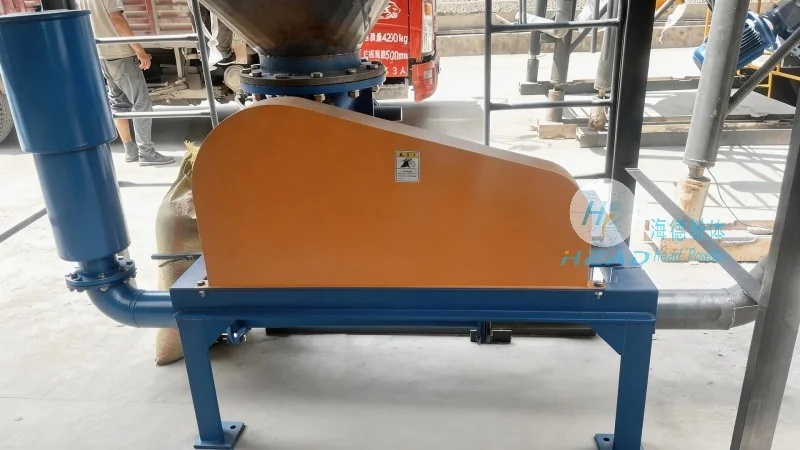
When comparing positive and negative pressure conveying for borax granules, several factors come into play. The choice between the two methods depends on the specific characteristics of the material, the distance of transport, the required throughput, and the available infrastructure. Positive pressure conveying is generally more suitable for high-capacity, long-distance transport, where the material is free-flowing and non-abrasive. It offers higher reliability and less risk of blockages, making it ideal for continuous production lines. On the other hand, negative pressure conveying is better suited for shorter distances, lower throughput requirements, and applications where energy efficiency is a priority. It is also more flexible in terms of installation and layout, making it a good choice for facilities with existing infrastructure.
When selecting between positive and negative pressure conveying for borax granules, several key factors should be considered. First, the material characteristics, such as particle size, density, and flowability, play a significant role. Borax granules with larger particle sizes or higher density may require higher pressure in positive pressure systems to ensure smooth transport. Conversely, smaller or more delicate particles may benefit from the lower pressure of negative pressure systems to prevent breakage. Second, the distance of transport is a critical factor. For long distances, positive pressure conveying is typically more efficient, as it can maintain consistent pressure over extended pipelines. For shorter distances, negative pressure conveying may be more cost-effective. Third, the required throughput and operational speed are important considerations. Positive pressure systems are better for high-throughput applications, while negative pressure systems are suitable for moderate throughput. Fourth, the available infrastructure and energy resources should be evaluated. Positive pressure systems may require more energy, but they offer greater reliability and capacity. Negative pressure systems, while more energy-efficient, may need more maintenance due to the vacuum pump and potential blockages.
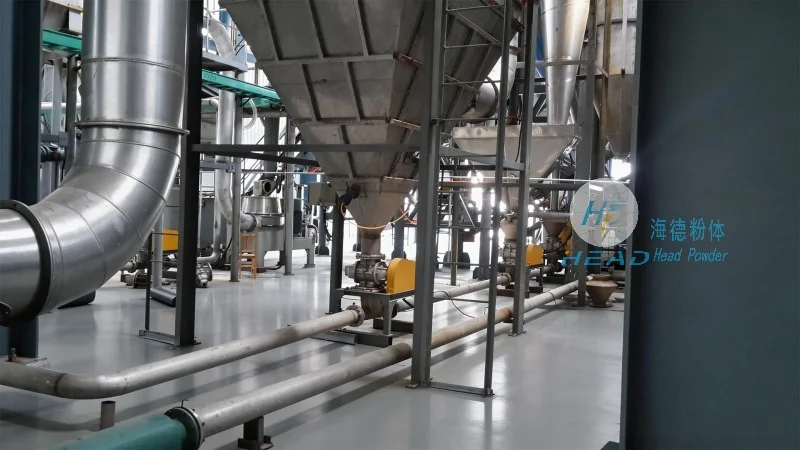
Both positive and negative pressure conveying methods are widely used in borax processing facilities. For example, in a large-scale borax production plant, positive pressure conveying may be used to transport borax granules from the storage silos to the packaging line over a distance of several hundred meters. The high-pressure system ensures that the material is moved efficiently and consistently, meeting the high throughput requirements of the plant. In contrast, a smaller processing facility might use negative pressure conveying to transport borax granules from a hopper to a mixing unit over a shorter distance. The lower energy consumption and flexibility of the negative pressure system make it a suitable choice for this application. Additionally, in facilities where borax granules are processed into other products, such as detergents or cleaning agents, the choice of conveying method can impact the quality of the final product. Positive pressure conveying, with its ability to maintain consistent pressure and prevent material degradation, is often preferred for these applications to ensure the quality of the borax granules entering the processing line.
Choosing between positive pressure and negative pressure conveying for borax granules requires a careful evaluation of the specific operational needs and material characteristics. Positive pressure conveying offers high capacity, reliability, and minimal blockages, making it ideal for large-scale, long-distance transport. Negative pressure conveying, on the other hand, provides energy efficiency, flexibility, and lower pressure, which are beneficial for shorter distances and moderate throughput. For borax granules, which are typically free-flowing and non-abrasive, both methods can be effective, but the optimal choice depends on the specific requirements of the processing facility. It is recommended to conduct a thorough analysis of the material properties, transport distance, and operational goals to determine the most suitable conveying method. By selecting the appropriate gas-pneumatic conveying system, borax processing facilities can improve efficiency, reduce costs, and enhance the overall quality of their operations.

 Shandong Headpowder Engineering Co., Ltd.
 156-6277-7102(Manager Zhang)
  0531-83386006
  Zhangqiu District, Jinan City, Shandong Province, China
telephone
WeChatconsult
top