With more than 10‑year industry experience, Shandong Headpowder delivers full‑service pneumatic‑conveying systems and blowers, undertaking nationwide turn‑key powder‑handling projects.
For industrial applications involving the handling of additives, selecting the appropriate pneumatic conveying method is crucial for efficiency, cost-effectiveness, and operational safety. Two primary approaches dominate the market: positive pressure conveying and negative pressure conveying. This article provides a detailed comparison of these two methods, highlighting their mechanisms, advantages, and applications, with a focus on how they impact the handling of additives in various industrial settings. The insights shared here are based on the expertise of Shandong HeadPowder Engineering Co., Ltd., a leading provider of pneumatic conveying solutions in China.
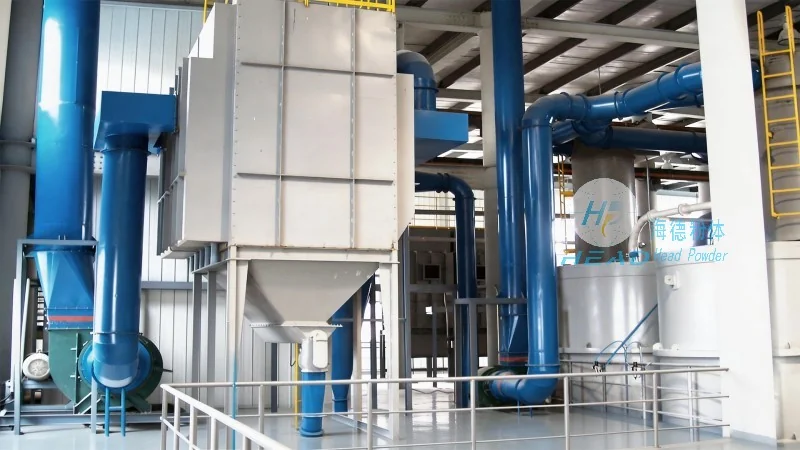
Pneumatic conveying systems use air or other gases to transport bulk materials, such as additives, from one location to another. The choice between positive and negative pressure systems depends on factors like material properties, distance, and the need for containment. Both methods have evolved to meet the demands of modern manufacturing, offering distinct benefits and challenges.
Positive pressure conveying operates by blowing air or gas into the conveying line, creating a pressure higher than the ambient air pressure. This method is particularly effective for transporting materials over longer distances and through complex piping networks. The system typically includes a blower or compressor at the inlet, which generates the necessary pressure to move the material. The positive pressure environment helps prevent dust leakage and contamination, making it suitable for handling sensitive additives that require strict environmental control.
A key advantage of positive pressure systems is their ability to handle abrasive or corrosive materials without significant wear on the equipment. The high-pressure air also ensures consistent flow rates, reducing the risk of blockages and ensuring reliable material transfer. However, these systems may require more maintenance due to the higher stress on components like blowers and piping, and they can be more expensive to install and operate compared to negative pressure systems.
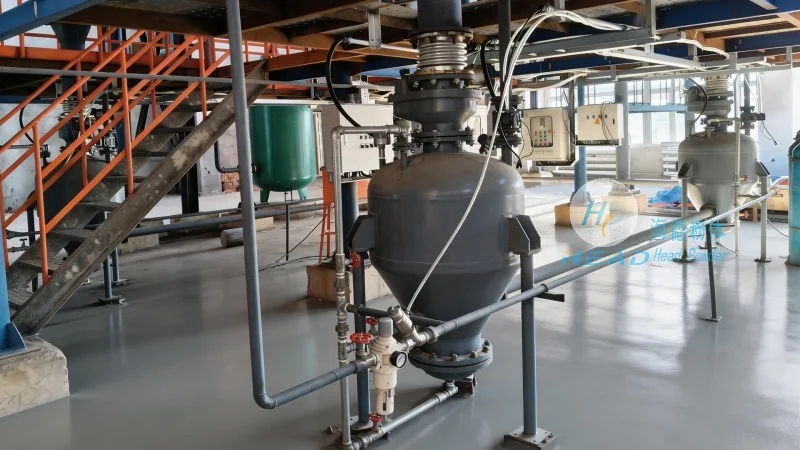
Negative pressure conveying, also known as vacuum conveying, works by creating a vacuum in the conveying line, drawing material from the source into the system. This method is ideal for short to medium-distance transport and is commonly used in applications where the material is to be collected from a hopper or storage bin. The vacuum system uses a fan or vacuum pump to create the low-pressure environment, which pulls the material along with the air flow.
One of the main benefits of negative pressure systems is their lower energy consumption compared to positive pressure systems, as they do not require high-pressure blowers. This makes them more energy-efficient and cost-effective for shorter transport distances. Additionally, negative pressure systems are often simpler to install and maintain, as they rely on standard vacuum equipment rather than high-pressure compressors. However, they are generally less effective for long-distance transport and may not be suitable for materials that are highly abrasive or prone to dust generation, as the vacuum can sometimes cause material degradation or clogging.
When evaluating the two methods for additive handling, several factors come into play. Positive pressure systems excel in scenarios requiring high throughput, long-distance transport, and strict containment. They are particularly beneficial for additives that are sensitive to moisture or air exposure, as the sealed system prevents contamination. Conversely, negative pressure systems are preferred for applications where energy efficiency and simplicity are paramount, such as in small-scale or short-distance operations.
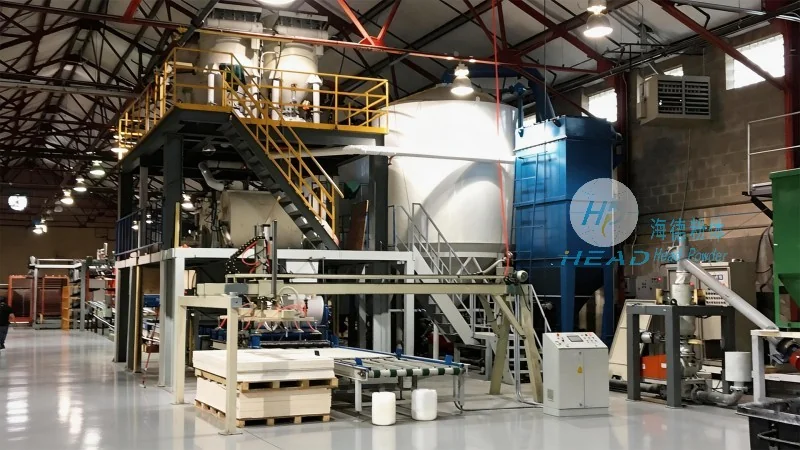
From a cost perspective, positive pressure systems may have higher upfront and operational costs due to the need for robust equipment and higher energy consumption. Negative pressure systems, while cheaper to install, may have higher maintenance costs related to the vacuum pump and filtration systems. The choice ultimately depends on the specific requirements of the additive handling process, including material characteristics, transport distance, and budget constraints.
Both positive and negative pressure conveying systems are widely used in the additive industry. Positive pressure systems are commonly employed in the pharmaceutical, food, and chemical sectors for transporting powders like flavorings, colorants, and excipients. The sealed environment ensures product purity and compliance with regulatory standards. Negative pressure systems are often used in the plastics and ceramics industries for handling raw materials like pigments and fillers, where shorter transport distances and lower costs are more critical.
In conclusion, both positive and negative pressure pneumatic conveying methods offer viable solutions for additive handling, each with its own set of advantages and limitations. Positive pressure systems provide superior containment, high throughput, and long-distance transport capabilities, making them suitable for sensitive or high-value additives. Negative pressure systems, on the other hand, offer energy efficiency and simplicity, ideal for shorter transport needs and less abrasive materials. When selecting a system, it is essential to consider the specific properties of the additive, the distance to be covered, and the overall operational requirements. By understanding the differences between these two methods, industrial operators can make informed decisions to optimize their additive handling processes, ensuring efficiency, safety, and cost-effectiveness. Shandong HeadPowder Engineering Co., Ltd. specializes in designing and implementing tailored pneumatic conveying solutions to meet the unique needs of additive handling applications, helping clients achieve optimal performance and compliance in their operations.

 Shandong Headpowder Engineering Co., Ltd.
 156-6277-7102(Manager Zhang)
  0531-83386006
  Zhangqiu District, Jinan City, Shandong Province, China
telephone
WeChatconsult
top