With more than 10‑year industry experience, Shandong Headpowder delivers full‑service pneumatic‑conveying systems and blowers, undertaking nationwide turn‑key powder‑handling projects.
When it comes to transporting bentonite—a versatile clay widely used in various industries such as construction, paper manufacturing, and oil drilling—choosing the right pneumatic conveying method is crucial. Two primary approaches dominate the market: positive pressure conveying and negative pressure conveying. Each method offers distinct advantages and disadvantages, making it essential to understand their characteristics before selecting the most suitable option for your application. This article provides a detailed comparison of positive and negative pressure conveying systems for bentonite, focusing on their operational principles, performance, and practical considerations.
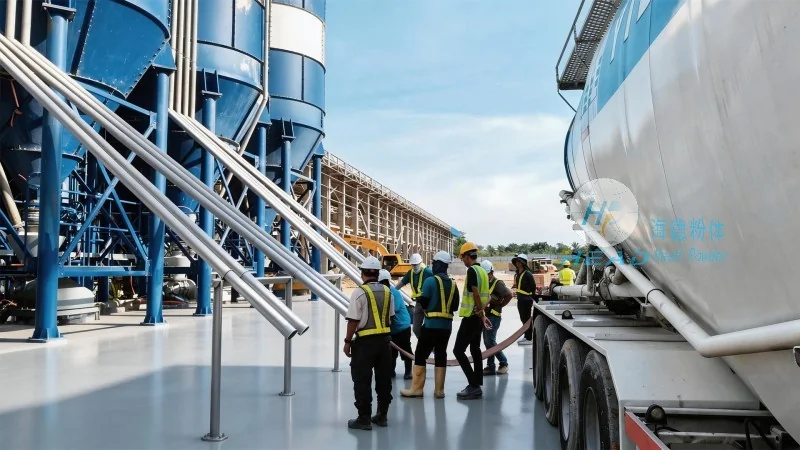
Bentonite is a natural clay composed mainly of montmorillonite, which gives it unique properties like high swelling capacity and excellent thixotropy. These characteristics make bentonite an indispensable material in many industrial processes. However, its handling requires specialized equipment due to its fine particle size and tendency to clog or agglomerate. The choice of pneumatic conveying system directly impacts the efficiency, cost, and safety of bentonite transportation. Therefore, understanding the differences between positive and negative pressure conveying is vital for optimizing material flow and operational performance.
Positive pressure conveying, also known as pressure pneumatic conveying, operates by blowing air or gas under pressure into a sealed pipeline. The material is carried by the high-pressure air stream, which moves the bentonite from the source to the destination. This method is particularly effective for transporting dry, free-flowing powders like bentonite over long distances. The key advantages of positive pressure systems include high conveying capacity, ability to handle abrasive materials, and reduced risk of dust emissions compared to other methods. Additionally, positive pressure systems can operate at higher pressures, allowing for more efficient material transport, especially in applications requiring high throughput.
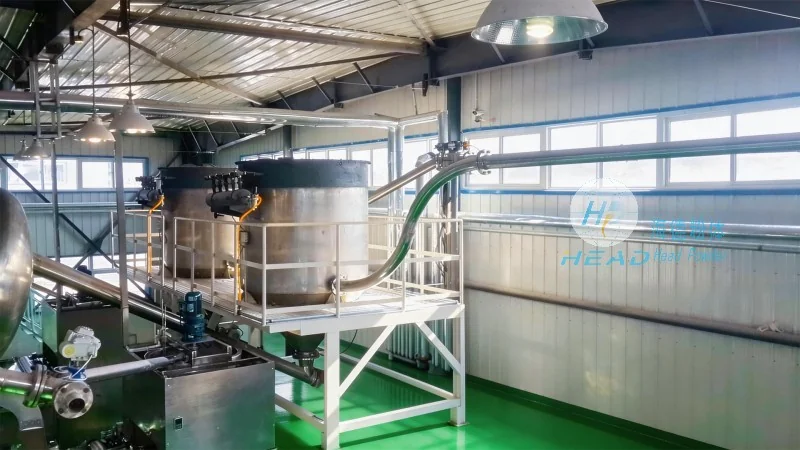
Shandong HeadPowder Engineering Co., Ltd., a leading manufacturer of pneumatic conveying solutions, specializes in designing and implementing positive pressure systems tailored to bentonite applications. Their expertise lies in optimizing pressure levels, pipeline design, and air flow to ensure reliable and efficient transportation. The company’s systems are engineered to minimize material degradation and maintain product quality, which is critical for industries where bentonite purity is paramount.
Negative pressure conveying, or vacuum pneumatic conveying, works by creating a vacuum in the pipeline, which draws the material from the source into the system. The material is then carried by the air stream, which moves it to the destination. This method is often preferred for applications requiring gentle handling of delicate materials or for conveying materials from multiple sources to a central collection point. The primary benefits of negative pressure systems include lower energy consumption compared to positive pressure systems, as they rely on the vacuum to pull material rather than pushing it with high pressure. Additionally, negative pressure conveying is suitable for short to medium distances and can handle materials with higher moisture content or lower flowability.
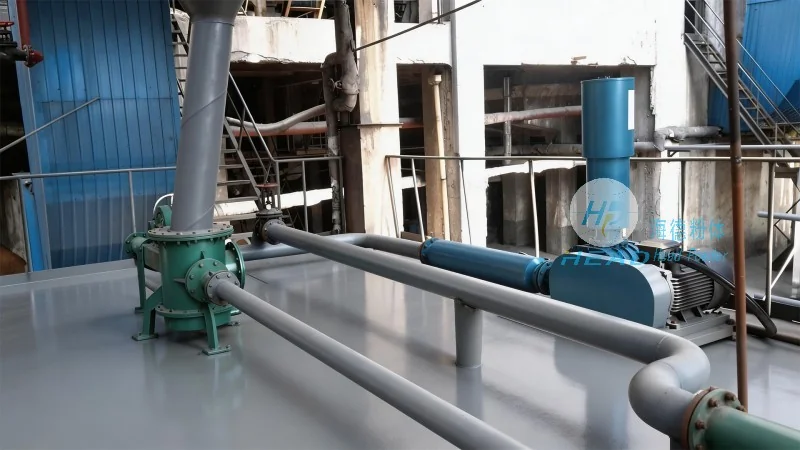
For bentonite applications, negative pressure systems are particularly useful when dealing with fine powders that are prone to clogging or when the material needs to be transported from multiple points to a single storage or processing facility. Shandong HeadPowder Engineering Co., Ltd. also offers negative pressure solutions that are designed to handle the unique challenges of bentonite, such as maintaining consistent vacuum levels and preventing material buildup in the pipeline.
When comparing positive and negative pressure conveying for bentonite, several factors come into play. The most significant difference lies in the direction of air flow and the pressure differential. Positive pressure systems use high pressure to push material, while negative pressure systems use low pressure (vacuum) to pull material. This fundamental difference impacts the system’s energy consumption, maintenance requirements, and suitability for specific applications.
Energy efficiency is a critical consideration. Positive pressure systems typically consume more energy due to the need to maintain high pressure in the pipeline. In contrast, negative pressure systems are more energy-efficient, as they rely on the vacuum to draw material. However, negative pressure systems may require more robust filtration to prevent dust from entering the vacuum pump and causing damage. Maintenance is another key factor. Positive pressure systems may have higher maintenance costs due to the wear and tear on components like blowers and pipelines, while negative pressure systems may need more frequent filter changes to maintain vacuum levels.
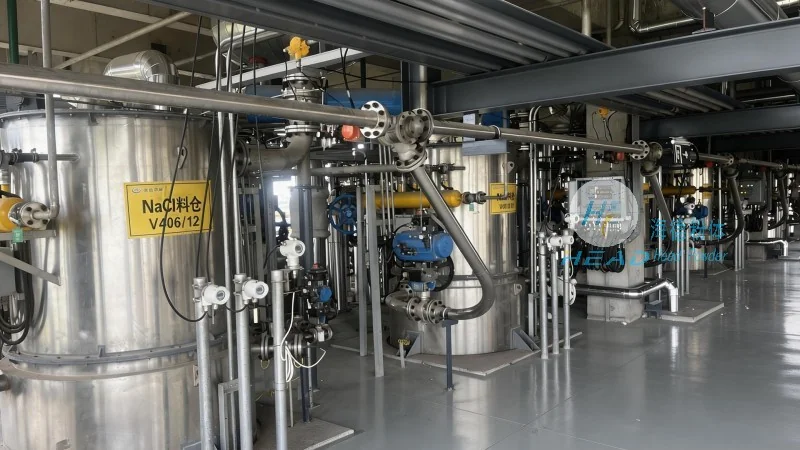
Application-specific requirements also influence the choice between the two methods. For example, if the bentonite needs to be transported over long distances or at high speeds, a positive pressure system is often more suitable due to its higher conveying capacity. Conversely, if the material is being collected from multiple sources or requires gentle handling, a negative pressure system may be preferred. The choice also depends on the material’s properties, such as particle size, moisture content, and flowability. Bentonite, with its fine particle size and tendency to agglomerate, may benefit from the gentle handling provided by negative pressure systems, which can reduce material degradation.
Both positive and negative pressure conveying systems have their place in the bentonite industry, and the choice depends on the specific application requirements. Positive pressure systems offer high capacity and efficiency for long-distance transportation, while negative pressure systems provide energy efficiency and gentle handling for shorter distances or multiple source applications. Shandong HeadPowder Engineering Co., Ltd. understands these nuances and offers customized solutions that cater to the unique needs of each client. By carefully evaluating factors such as distance, material properties, and operational goals, businesses can select the most appropriate pneumatic conveying method to ensure reliable, cost-effective, and safe bentonite transportation. Whether you opt for a positive or negative pressure system, the goal is to optimize material flow, minimize downtime, and maintain product quality—key objectives that Shandong HeadPowder Engineering Co., Ltd. helps achieve through their advanced pneumatic conveying solutions.

 Shandong Headpowder Engineering Co., Ltd.
 156-6277-7102(Manager Zhang)
  0531-83386006
  Zhangqiu District, Jinan City, Shandong Province, China
telephone
WeChatconsult
top