With more than 10‑year industry experience, Shandong Headpowder delivers full‑service pneumatic‑conveying systems and blowers, undertaking nationwide turn‑key powder‑handling projects.
Clay dust, a common byproduct in industrial processes such as mining, ceramics, and construction, requires efficient and reliable handling methods. Pneumatic conveying technology offers a solution by transporting clay dust through a pipeline using air pressure. This method is particularly advantageous for applications involving fine powders, as it minimizes dust dispersion and ensures a clean working environment. The choice between vacuum and positive pressure systems depends on the specific characteristics of the clay dust, the distance of transport, and the overall system requirements. As a leading provider of material handling solutions, Shandong HeadPowder Engineering Co., Ltd. specializes in designing and implementing pneumatic conveying systems tailored to the unique needs of industries dealing with clay dust.
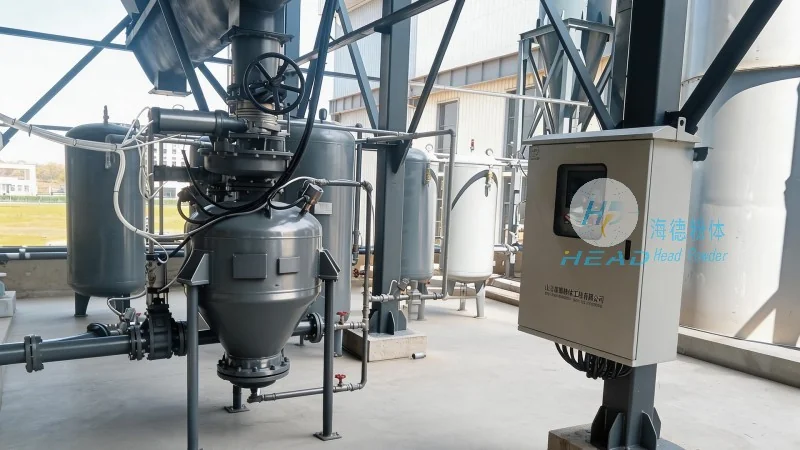
Vacuum pneumatic conveying systems operate by creating a negative pressure at the receiving end, drawing the clay dust into the pipeline. This approach is ideal for short to medium-distance transport and is commonly used when the material is to be collected from multiple points. The system typically includes a vacuum pump, a hopper for material storage, and a filter to capture any fine particles that may escape. The vacuum method is effective for handling clay dust with a high moisture content, as the air flow helps to dry the material slightly during transport. However, it may not be suitable for long-distance applications due to the energy consumption associated with maintaining a consistent vacuum level. Shandong HeadPowder Engineering Co., Ltd. has extensive experience in optimizing vacuum systems for clay dust, ensuring efficient and cost-effective operation.
Positive pressure systems, on the other hand, generate a positive pressure at the discharge end, pushing the clay dust through the pipeline. This method is preferred for longer distances and when the material needs to be transported to multiple destinations. The system uses a blower or compressor to supply air, which is then mixed with the clay dust in a hopper or feeder. Positive pressure conveying is more energy-efficient for long-distance transport and can handle higher material loads. It is particularly useful when dealing with clay dust that is sensitive to moisture or when the system requires high throughput. The key advantage of positive pressure is its ability to maintain a consistent flow rate, ensuring reliable delivery of the clay dust to the desired location. HeadPowder, the brand under Shandong HeadPowder Engineering Co., Ltd., offers advanced positive pressure systems that meet the demands of modern industrial applications.
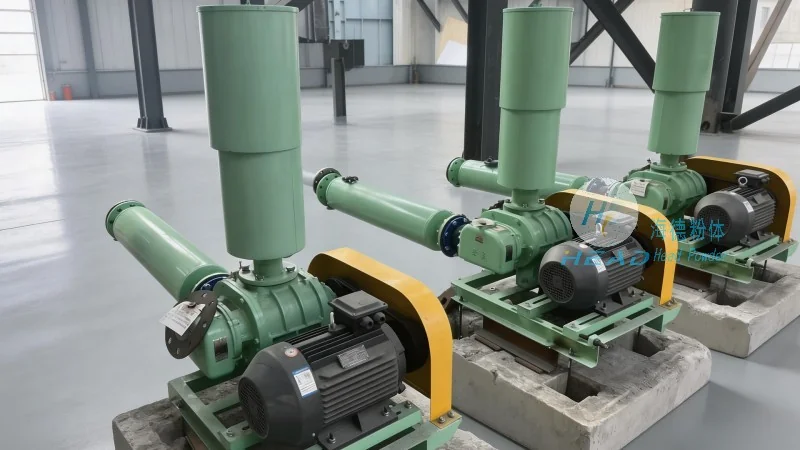
When selecting between vacuum and positive pressure pneumatic conveying for clay dust, several factors must be considered. The distance of the transport is a primary factor; vacuum systems are better suited for shorter distances, while positive pressure is more efficient for longer distances. The particle size and moisture content of the clay dust also play a role, as finer particles may require more air flow to maintain a stable suspension. The system's capacity and the number of discharge points are additional considerations. For example, if the clay dust needs to be distributed to several locations, a positive pressure system with multiple branches may be more appropriate. The cost of equipment and energy consumption should also be evaluated, as both vacuum and positive pressure systems have different operational costs. Shandong HeadPowder Engineering Co., Ltd. provides expert consultation to help clients choose the most suitable system based on their specific operational needs and budget.
The applications of clay dust pneumatic conveying span various industries. In the ceramics industry, clay dust is often transported from grinding and mixing processes to storage silos or processing lines. The ability to handle fine powders without contamination is crucial here. In construction, clay dust may be used as a raw material for bricks or as a filler in concrete, and pneumatic conveying ensures that the material is delivered to the mixing site without dusting. The mining industry also benefits from this technology, as clay dust from ore processing can be transported to disposal sites or processing facilities. The consistent and clean transport of clay dust enhances productivity and reduces health hazards associated with dust exposure. HeadPowder systems from Shandong HeadPowder Engineering Co., Ltd. are widely used in these applications, demonstrating reliability and efficiency.
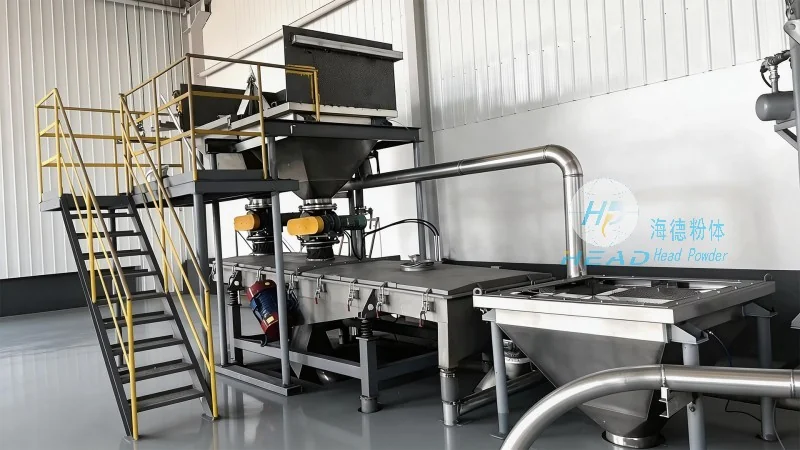
Pneumatic conveying offers several advantages over traditional methods like bucket elevators or belt conveyors. One of the main benefits is the reduction of dust exposure, which is critical for worker safety and compliance with environmental regulations. The enclosed system prevents dust from escaping into the environment, minimizing the risk of respiratory issues among workers. Additionally, pneumatic conveying is more flexible in terms of layout, as the pipeline can be installed in various configurations to fit the available space. The system can also handle a wide range of particle sizes and moisture contents, making it versatile for different clay dust applications. Another advantage is the ability to integrate with other processing equipment, such as mixers or filters, to create a seamless material handling process. Shandong HeadPowder Engineering Co., Ltd. emphasizes these benefits in their product offerings, focusing on user-friendly and efficient solutions for clay dust handling.
Despite its benefits, pneumatic conveying of clay dust presents some challenges. One common issue is the buildup of material in the pipeline, which can lead to blockages and reduced efficiency. This problem is more prevalent in vacuum systems due to the lower air flow rates. Regular maintenance, including cleaning and inspection of the pipeline and filters, is essential to prevent blockages. Another challenge is the energy consumption, especially in vacuum systems, which can increase operational costs. Upgrading to more efficient vacuum pumps or using positive pressure systems for longer distances can help mitigate this issue. The risk of material degradation due to friction or air flow can also occur, particularly with clay dust that is sensitive to moisture. Using appropriate materials for the pipeline and ensuring proper air flow rates can minimize this risk. Shandong HeadPowder Engineering Co., Ltd. addresses these challenges through innovative designs and maintenance services, ensuring long-term reliability of their pneumatic conveying systems.

 Shandong Headpowder Engineering Co., Ltd.
 156-6277-7102(Manager Zhang)
  0531-83386006
  Zhangqiu District, Jinan City, Shandong Province, China
telephone
WeChatconsult
top