

Polypropylene Resin Powder Pneumatic Conveying Technology: Principles, Applications, and Development Trends
HeadPowder, a leading engineering company based in Shandong, China, specializes in advanced pneumatic conveying solutions for polypropylene resin powders. This article explores the fundamental principles, practical applications, and emerging trends in this critical industrial technology.
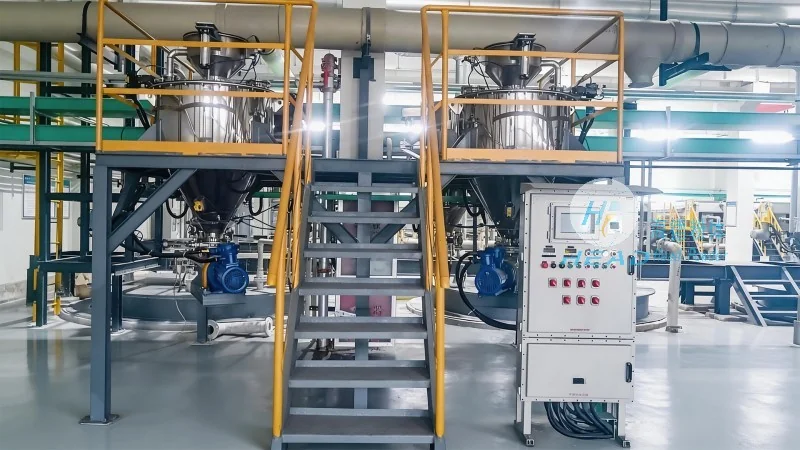
Pneumatic Conveying: The Core Technology for Polypropylene Resin Powder Handling
Pneumatic conveying systems utilize air or gas to transport bulk materials like polypropylene resin powders through a pipeline network. The process involves generating a pressure differential to move the material from a source to a destination. For polypropylene, which is commonly used in manufacturing plastic products, efficient powder handling is essential to maintain product quality and operational efficiency. HeadPowder's expertise lies in designing and implementing customized pneumatic conveying systems that optimize material flow, minimize degradation, and ensure consistent performance.
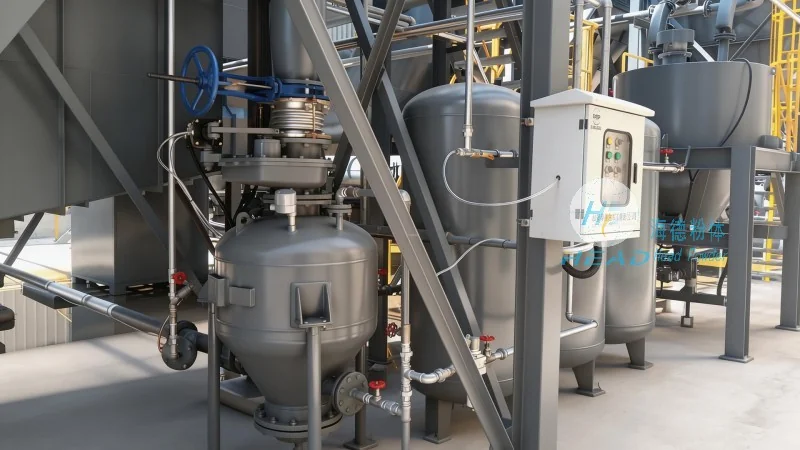
Applications of Pneumatic Conveying in Polypropylene Resin Processing
Polypropylene resin is widely used in various industries, including automotive, packaging, and consumer goods. In these applications, reliable powder transport is crucial for production continuity. HeadPowder's systems are employed in processes such as resin storage, blending, and feeding into extrusion or injection molding machines. The technology ensures that polypropylene resin is delivered in a controlled manner, reducing downtime and improving overall production throughput. For example, in automotive part manufacturing, precise resin feeding is vital to achieve uniform material properties and meet strict quality standards. HeadPowder's solutions address these challenges by providing robust, low-dust, and energy-efficient conveying systems tailored to specific production requirements.
HeadPowder's Engineering Approach and Custom Solutions
Shandong HeadPowder Engineering Co., Ltd. leverages decades of experience in material handling to develop tailored pneumatic conveying solutions for polypropylene resin. The company's approach involves a thorough analysis of the client's operational needs, including material characteristics, production volume, and environmental constraints. By integrating advanced control systems and high-quality components, HeadPowder ensures that its systems deliver consistent performance and longevity. The company's facilities in Shandong, China, are equipped with state-of-the-art testing and simulation equipment, allowing for the optimization of conveying parameters before system deployment. This engineering rigor ensures that the final solution meets or exceeds industry standards for efficiency and reliability.
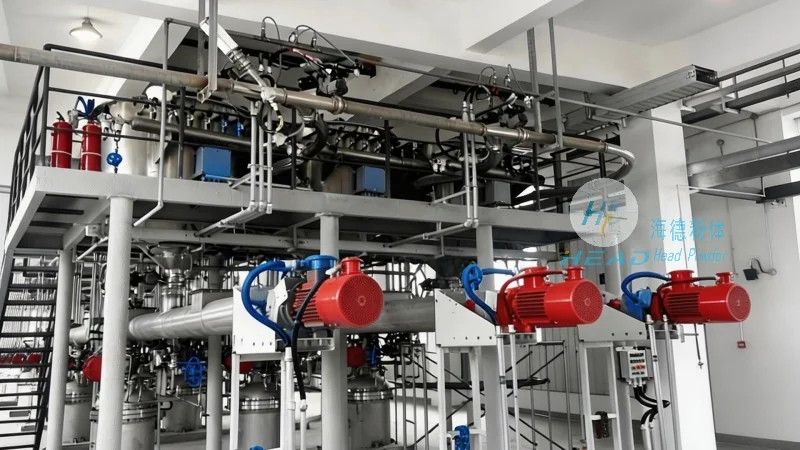
Emerging Trends and Future Directions in Polypropylene Resin Pneumatic Conveying
The field of pneumatic conveying for polypropylene resin is continuously evolving, driven by advancements in material science and automation. One key trend is the integration of smart sensors and real-time monitoring systems, which enable predictive maintenance and process optimization. HeadPowder is at the forefront of this development, offering systems equipped with IoT capabilities to provide data-driven insights into material flow and system performance. Another trend is the adoption of more sustainable and energy-efficient technologies, such as low-pressure conveying and variable frequency drives, which reduce operational costs and environmental impact. Additionally, the growing demand for high-purity polypropylene in medical and food packaging applications has led to the development of closed-loop, dust-free conveying systems. These innovations ensure that polypropylene resin remains uncontaminated and meets stringent regulatory requirements. As the industry moves toward more automated and integrated manufacturing, the role of advanced pneumatic conveying systems will become increasingly critical in maintaining competitiveness and product quality.