With more than 10‑year industry experience, Shandong Headpowder delivers full‑service pneumatic‑conveying systems and blowers, undertaking nationwide turn‑key powder‑handling projects.
When designing a pneumatic conveying system for calcium carbide dust and filter cakes, several critical factors must be considered to ensure efficient operation, safety, and longevity of the equipment. The process involves handling fine, potentially reactive materials that require specialized engineering solutions to prevent blockages, corrosion, and environmental contamination.
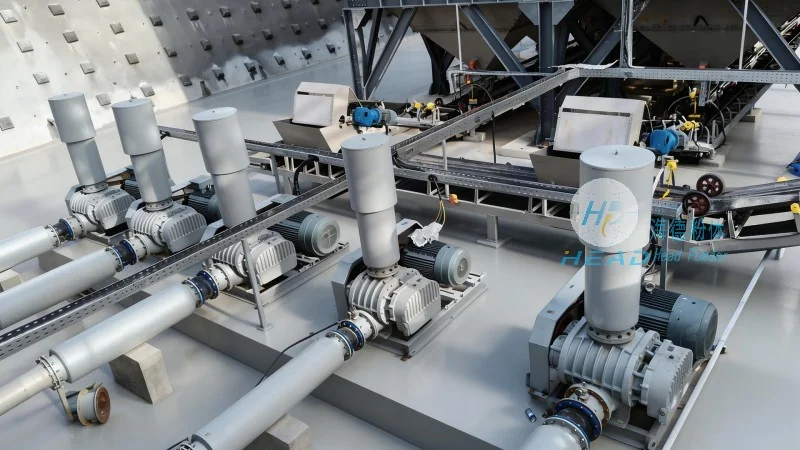
Choosing the appropriate pneumatic conveying system type is the first step in successful design. For calcium carbide dust, which is often abrasive and chemically active, positive pressure systems are generally preferred over negative pressure systems. Positive pressure systems offer better control over material flow, reduced risk of dust inhalation, and easier maintenance. The selection of system type—such as dilute phase or dense phase—depends on the material's properties, such as particle size, density, and flowability. For example, dilute phase systems are suitable for fine powders with good flow characteristics, while dense phase systems are better for bulkier or more cohesive materials. In the case of calcium carbide dust, a combination of both might be considered, with dilute phase for initial transport and dense phase for handling filter cakes that may have higher moisture content or agglomerates.
The components of the pneumatic conveying system, including the blower, ductwork, and material handling devices, must be selected to withstand the specific challenges posed by calcium carbide dust. The blower must provide sufficient pressure and airflow to move the material through the system without excessive energy consumption. For abrasive materials like calcium carbide, high-quality materials of construction are essential. Stainless steel or corrosion-resistant alloys are recommended for components that come into direct contact with the dust, such as the blower housing, ducts, and valves. The ductwork design should minimize bends and changes in direction to reduce pressure loss and prevent material buildup. Smooth, rounded transitions and gradual bends are critical to maintaining consistent airflow and preventing blockages. Additionally, the system should include features like air filters and moisture separators to protect downstream equipment from contamination and to improve overall system efficiency.
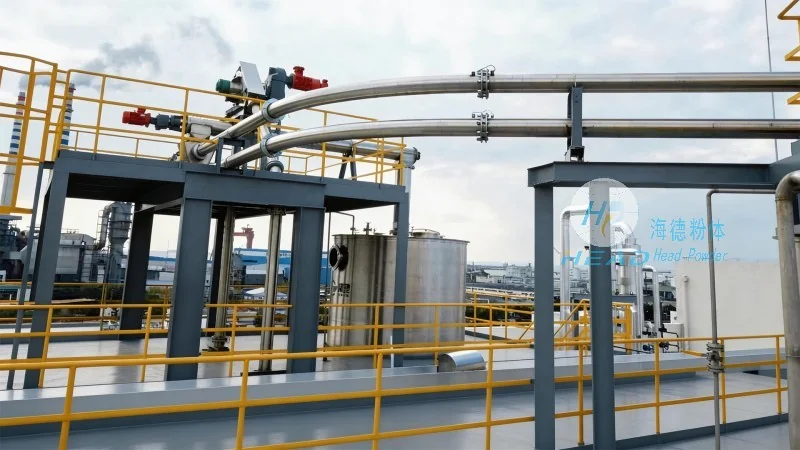
Integrating the pneumatic conveying system with the existing production process is another key consideration. The system must be designed to handle both calcium carbide dust and filter cakes, which may have different physical properties. For instance, filter cakes are often more viscous and may require pre-drying or conditioning to improve flowability before being conveyed. The system should include appropriate feeding mechanisms, such as rotary valves or screw feeders, to ensure consistent material feed and prevent surges or blockages. The feeding equipment must be capable of handling the specific characteristics of the material, such as particle size distribution and moisture content. Proper sealing of the feeding points is also crucial to prevent dust leakage and maintain a safe working environment.
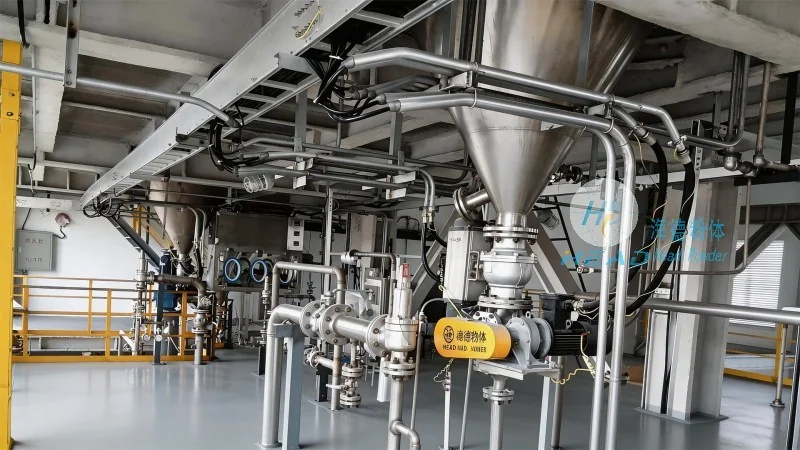
Safety is a top priority when handling calcium carbide dust, which can be hazardous if inhaled or if it reacts with moisture. The design of the pneumatic conveying system must include safety features such as explosion-proof blower motors, dust collection systems, and emergency shut-off valves. The system should also be equipped with monitoring devices to detect pressure fluctuations or blockages, allowing for immediate intervention to prevent equipment damage or environmental contamination. Environmental considerations are equally important, as the system must comply with local regulations regarding dust emissions and waste disposal. The use of high-efficiency particulate air (HEPA) filters and proper ventilation can help minimize the release of dust into the environment, ensuring compliance with environmental standards.
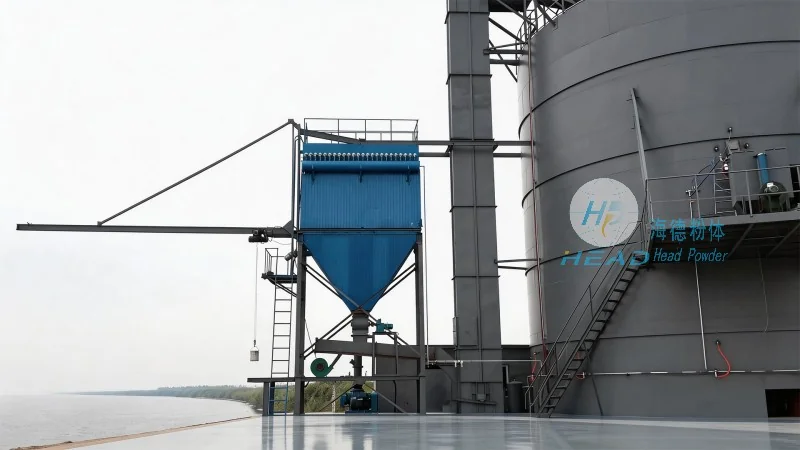
Regular maintenance is essential to ensure the long-term performance and reliability of the pneumatic conveying system. The system should be designed with easy access to components for cleaning and replacement, such as filters and ducts. The use of wear-resistant materials and components can extend the life of the system and reduce maintenance costs. Operational efficiency can be optimized by monitoring system performance parameters, such as pressure drop and airflow, and adjusting the system as needed. Proper training of operators on the system's operation and maintenance is also critical to prevent downtime and ensure safe operation.
Shandong HeadPowder Engineering Co., Ltd., a leading provider of industrial dust and filter cake handling solutions, has successfully implemented pneumatic conveying systems for calcium carbide dust in various industrial applications. The company's expertise in material handling and system design has enabled them to develop customized solutions that meet the specific needs of their clients. For example, one client required a system to transport calcium carbide dust from a filter press to a storage silo, while another needed a system to handle filter cakes with high moisture content. HeadPowder's engineers conducted thorough material analysis and process simulations to design systems that optimized flow, reduced energy consumption, and ensured safe operation. The systems installed by HeadPowder have demonstrated high reliability and efficiency, with minimal downtime and low maintenance costs. This success is attributed to the company's commitment to using high-quality materials, advanced design software, and rigorous testing protocols to ensure the best possible performance for their clients.

 Shandong Headpowder Engineering Co., Ltd.
 156-6277-7102(Manager Zhang)
  0531-83386006
  Zhangqiu District, Jinan City, Shandong Province, China
telephone
WeChatconsult
top