With more than 10‑year industry experience, Shandong Headpowder delivers full‑service pneumatic‑conveying systems and blowers, undertaking nationwide turn‑key powder‑handling projects.
When designing a pneumatic conveying system for polypropylene, several critical factors must be considered to ensure efficient, reliable, and safe operation. The material's properties, such as its density, flowability, and potential for static charge, play a significant role in system selection and configuration. Polypropylene is a lightweight, non-porous plastic with a relatively low bulk density, which can affect the air velocity and pressure requirements for effective transport. Additionally, its tendency to generate static electricity necessitates proper grounding and anti-static measures to prevent sparks and potential fire hazards.
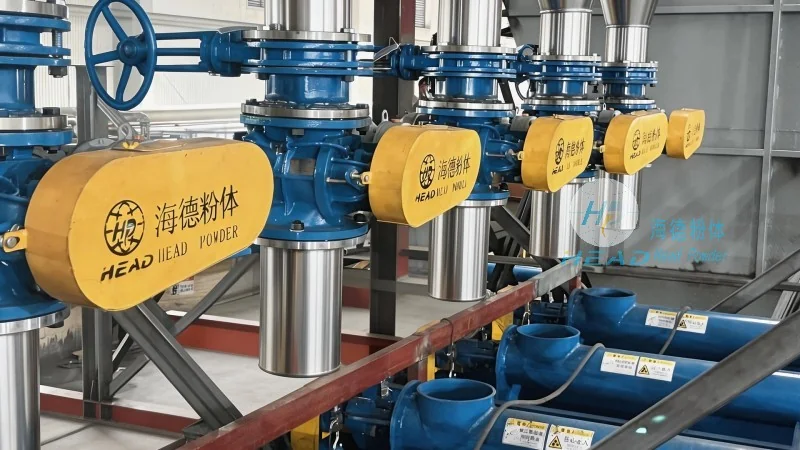
The choice between dilute phase and dense phase pneumatic conveying systems is a fundamental decision in polypropylene handling. Dilute phase systems use high air velocities (typically 20-30 m/s) to suspend the material in the air stream, making them suitable for short to medium distance transport (up to several hundred meters). Dense phase systems, on the other hand, operate at lower velocities (5-15 m/s) with higher material concentrations, which is ideal for longer distances and for handling materials that are prone to degradation or caking. For polypropylene, the selection depends on the specific application, including the distance between the source and destination, the required throughput, and the need to minimize material degradation.
Accurate determination of pressure and airflow is essential for optimizing the performance of a polypropylene pneumatic conveying system. The system must generate sufficient pressure to overcome friction losses in the pipelines, elevation changes, and any restrictions such as bends, valves, or filters. HeadPowder Engineering, a leading provider of pneumatic conveying solutions, emphasizes the importance of calculating the total pressure drop through the system components. This includes the material's specific gravity, the pipeline diameter and length, and the type of conveying line (e.g., vertical or horizontal). Proper airflow management ensures that the polypropylene particles are fully suspended and transported without settling or clogging the system.
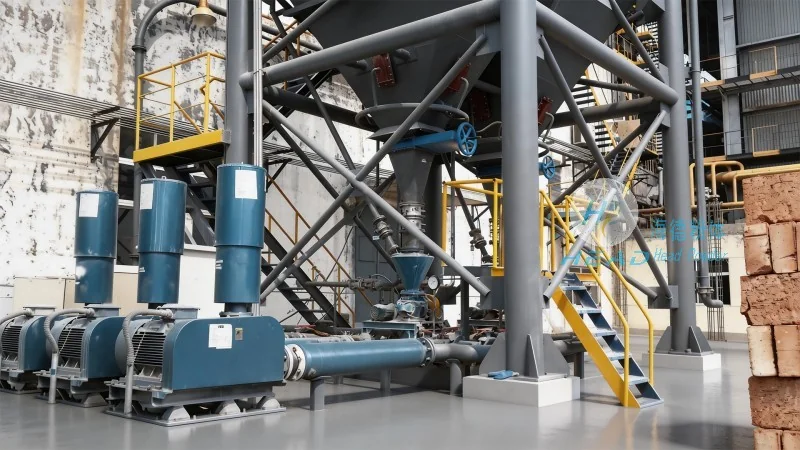
The design of the conveying pipeline is critical to prevent material buildup, corrosion, and wear. For polypropylene, pipelines made from materials resistant to plastic abrasion and chemical attack are recommended. Stainless steel or high-grade plastic (e.g., polyethylene or polypropylene itself) are common choices. The pipeline diameter should be sized to maintain an appropriate air-to-material ratio, which balances the need for sufficient velocity to keep particles suspended with the energy efficiency of the system. Properly sized and supported pipelines minimize pressure losses and reduce the risk of material deposition, which can lead to blockages and system downtime.
Effective sealing of the system is crucial to prevent product loss, contamination, and the ingress of external air or moisture. Polypropylene is hygroscopic to a limited extent, and moisture can affect its processing properties. Therefore, sealing components such as rotary valves, airlocks, and connectors must be designed to maintain a tight seal under varying pressure conditions. HeadPowder Engineering incorporates advanced sealing technologies, including positive displacement rotary valves and double-seal airlocks, to ensure minimal leakage and maintain product integrity. Regular maintenance of sealing components is essential to prevent wear and maintain optimal performance.
Polypropylene is a combustible material, and the presence of static electricity or sparks can lead to fire or explosion hazards. Proper explosion prevention measures are mandatory for pneumatic conveying systems handling polypropylene. These include grounding and bonding of all metal components to dissipate static charges, using explosion-proof electrical equipment, and installing flame arrestors in the system. The system design should also consider the potential for dust accumulation in the pipelines and equipment, which can create explosive mixtures. Regular cleaning and inspection of the system are necessary to remove any accumulated dust and ensure compliance with safety regulations.
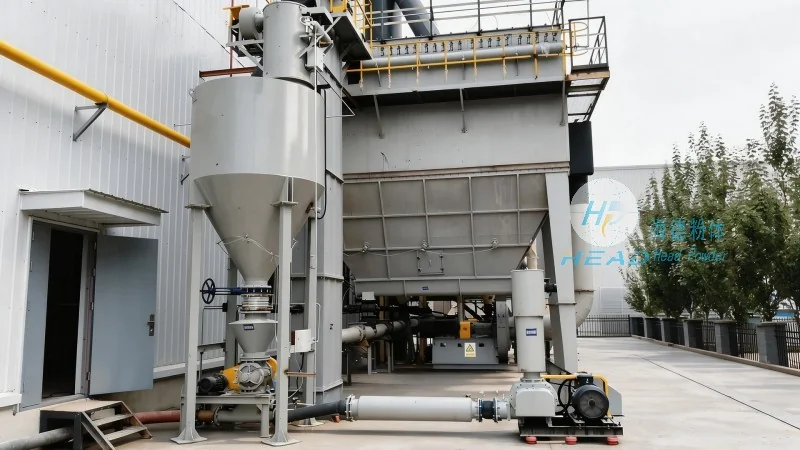
Regular maintenance is vital to ensure the long-term reliability and efficiency of a polypropylene pneumatic conveying system. This includes routine checks of air compressors, filters, and pressure regulators, as well as inspection of pipelines and sealing components for wear or damage. Operational procedures should be established to handle system start-up and shutdown safely, especially when dealing with polypropylene, which can be sensitive to temperature changes. HeadPowder Engineering provides comprehensive maintenance services and training to help clients optimize system performance and minimize downtime. By following proper maintenance protocols, the system can operate at peak efficiency, reducing energy consumption and extending the lifespan of components.
HeadPowder Engineering, a professional manufacturer based in Shandong, China, specializes in the design, manufacturing, and installation of pneumatic conveying systems for various industrial applications. With years of experience in the field, the company has developed expertise in handling materials like polypropylene, ensuring that their systems meet the highest standards of efficiency, safety, and reliability. HeadPowder Engineering's commitment to quality and customer satisfaction has made them a trusted partner for industries requiring robust and dependable material handling solutions.

 Shandong Headpowder Engineering Co., Ltd.
 156-6277-7102(Manager Zhang)
  0531-83386006
  Zhangqiu District, Jinan City, Shandong Province, China
telephone
WeChatconsult
top