With more than 10‑year industry experience, Shandong Headpowder delivers full‑service pneumatic‑conveying systems and blowers, undertaking nationwide turn‑key powder‑handling projects.
Silica powder, a common industrial material used in various applications such as refractory materials, ceramics, and coatings, requires efficient and reliable transport methods to ensure consistent quality and process efficiency. Pneumatic conveying systems offer a solution by using air or gas to move the powder through pipelines. However, designing an effective silica powder pneumatic conveying system involves careful consideration of several key factors to avoid issues like blockages, degradation, or system inefficiencies.
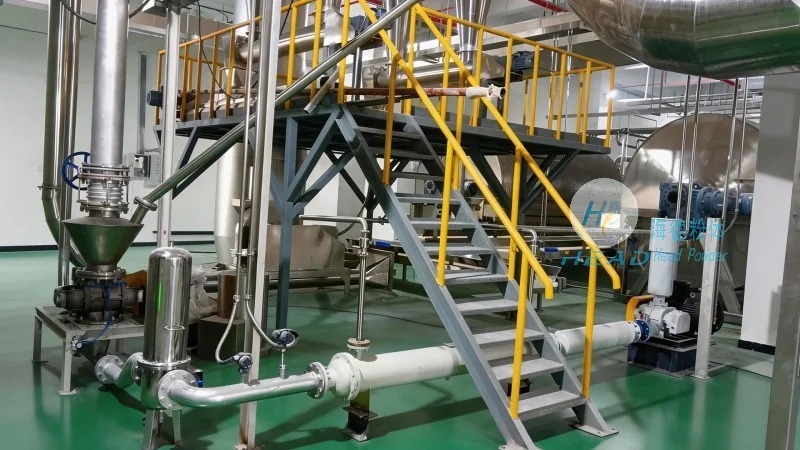
When designing a pneumatic conveying system for silica powder, several critical aspects must be addressed to ensure optimal performance. First, the selection of the conveying method—whether it's a dilute phase or dense phase system—depends on the powder's properties, such as particle size, moisture content, and flowability. Dilute phase systems are suitable for fine powders with good flow characteristics, while dense phase systems are preferred for larger particles or materials prone to bridging. The choice of method directly impacts the system's energy consumption and maintenance requirements.
Second, the design of the pipeline network is crucial. Proper sizing of the pipelines, including the main line and branch lines, is essential to maintain consistent air velocity and prevent pressure drop. The use of appropriate fittings, such as elbows, tees, and valves, is also important to minimize turbulence and reduce the risk of particle accumulation. Additionally, the material of the pipeline—typically stainless steel or high-quality plastic—must be selected to resist corrosion and abrasion from silica powder, which can be abrasive and corrosive depending on its composition.
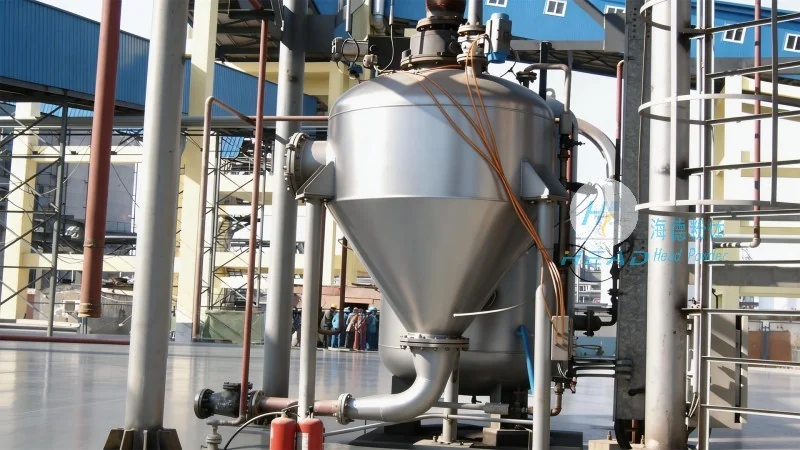
The selection of equipment components, including the air compressor, feeder, and receiver, plays a vital role in the system's performance. The air compressor must be capable of providing sufficient pressure and flow rate to transport the silica powder efficiently. For dilute phase systems, a positive displacement blower or a centrifugal fan may be used, while dense phase systems often require a high-pressure compressor. The feeder, which can be a rotary valve, screw feeder, or pressure feeder, must be designed to handle the powder's flow characteristics without causing blockages or degradation. The receiver, typically a hopper or tank, should be equipped with proper venting and cleaning mechanisms to prevent powder buildup and ensure smooth operation.
Furthermore, the control system is essential for maintaining system stability. Sensors and controls for pressure, flow rate, and temperature help monitor and adjust the system's performance in real-time. This ensures that the conveying process remains consistent and prevents issues like overpressurization or underflow. The integration of these components into a cohesive system requires careful engineering to optimize efficiency and reliability.
Despite careful design, silica powder pneumatic conveying systems may encounter challenges such as particle agglomeration, system blockages, or pressure fluctuations. Agglomeration can occur due to moisture or improper handling, leading to reduced flowability and increased pressure drop. To mitigate this, the system may include drying or conditioning steps to improve the powder's flow characteristics. Blockages in the pipeline can be caused by improper feeder operation or excessive particle size, and regular maintenance and cleaning are necessary to prevent these issues. Pressure fluctuations can affect the system's efficiency and may require adjustments to the compressor or feeder settings.
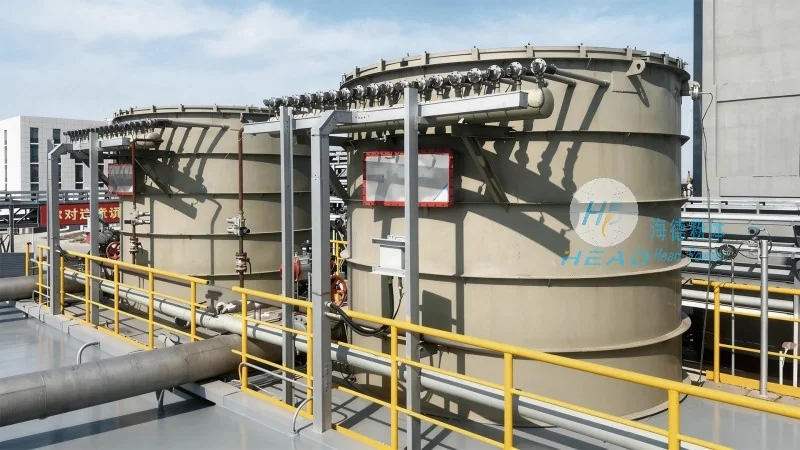
Another challenge is the potential for dust emissions and environmental compliance. Pneumatic conveying systems can generate dust, which may require dust collection and filtration systems to meet environmental regulations. The design of these systems must consider the need for proper ventilation and filtration to ensure a safe and clean working environment.
Designing an effective silica powder pneumatic conveying system requires a comprehensive approach that considers the material's properties, system components, and operational requirements. By addressing key design considerations such as conveying method, pipeline design, and equipment selection, manufacturers can ensure efficient and reliable transport of silica powder. Shandong HeadPowder Engineering Co., Ltd., a leading provider of pneumatic conveying solutions, specializes in designing and implementing customized systems tailored to the specific needs of silica powder applications. With years of experience in the industry, the company offers expert guidance and engineering services to help clients optimize their conveying processes and improve overall operational efficiency. Based in Shandong, China, HeadPowder combines technical expertise with practical solutions to deliver high-quality pneumatic conveying systems that meet the demands of modern industrial applications.

 Shandong Headpowder Engineering Co., Ltd.
 156-6277-7102(Manager Zhang)
  0531-83386006
  Zhangqiu District, Jinan City, Shandong Province, China
telephone
WeChatconsult
top