With more than 10‑year industry experience, Shandong Headpowder delivers full‑service pneumatic‑conveying systems and blowers, undertaking nationwide turn‑key powder‑handling projects.
Shandong HeadPowder Engineering Co., Ltd., a leading provider in the field of powder handling technology, specializes in the design, calculation, and selection of equipment for pneumatic conveying systems, particularly for polytetrafluoroethylene (PFA) materials. With a focus on precision engineering and tailored solutions, the company leverages extensive expertise to ensure efficient and reliable material transport in industrial applications.
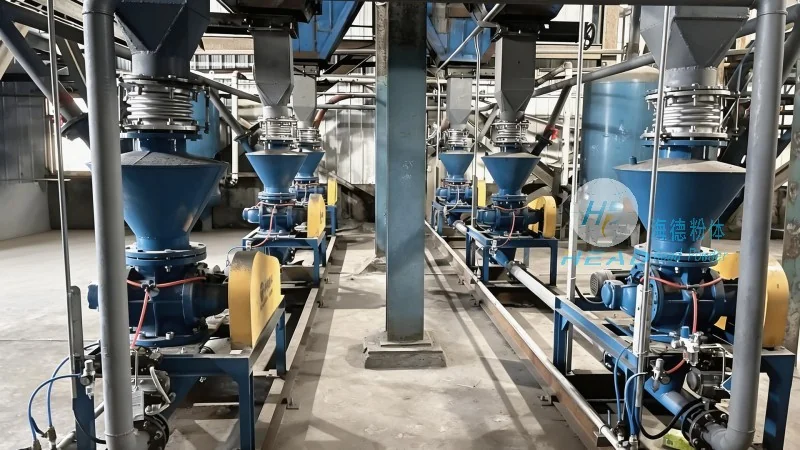
PFA, a high-performance fluoropolymer, is widely used in various industries due to its excellent chemical resistance, thermal stability, and mechanical properties. However, the unique characteristics of PFA, such as its low friction and potential for static charge accumulation, require specialized pneumatic conveying systems to maintain material integrity and operational efficiency. This article outlines the key considerations and methodologies for designing, calculating, and selecting appropriate equipment for PFA pneumatic conveying, as offered by HeadPowder.
Pneumatic conveying systems utilize air or other gases to transport bulk materials through a pipeline network. For PFA, the system design must account for the material's flowability, particle size distribution, and the risk of static discharge. HeadPowder engineers employ advanced computational fluid dynamics (CFD) and empirical formulas to model the behavior of PFA particles in the conveying line, ensuring that the system operates within optimal pressure and velocity ranges.
The primary goal of PFA pneumatic conveying is to achieve a balance between material transport efficiency and equipment durability. This involves selecting the right type of conveying system—such as dilute-phase or dense-phase transport—based on the material's properties and the required transport distance. Dilute-phase systems are suitable for short to medium distances and low to moderate material loads, while dense-phase systems are preferred for longer distances or when maintaining material integrity is critical.
Designing a PFA pneumatic conveying system begins with a thorough analysis of the material's physical characteristics. HeadPowder engineers collect data on PFA particle size, density, and moisture content, which are crucial parameters for determining the required air velocity and pressure. The calculation process involves several key steps:
First, the material's flowability is assessed using tests such as the Jenike shear test or the Carr's compressibility index. These tests help determine the material's angle of repose and wall friction, which influence the pressure drop across the conveying line. The pressure drop is then calculated using the Darcy-Weisbach equation or empirical correlations specific to PFA, considering factors like pipe diameter, length, and bends.
Next, the air velocity is determined based on the material's minimum fluidization velocity and the desired conveying velocity. For PFA, the minimum fluidization velocity is typically lower than that of other powders due to its lower density and better flowability. However, excessive air velocity can lead to increased energy consumption and potential material degradation, so the velocity is optimized to achieve the best trade-off between efficiency and cost.
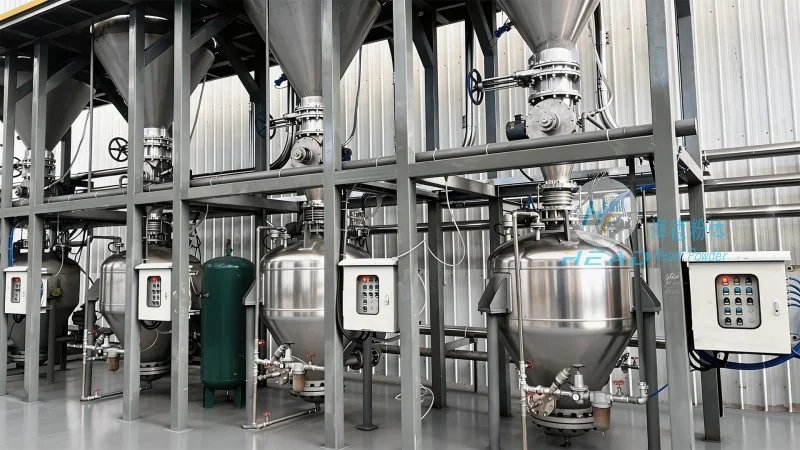
Finally, the system's power requirements are calculated by considering the pressure drop, air flow rate, and the efficiency of the air compressor. HeadPowder uses advanced software tools to simulate the system's performance under various operating conditions, allowing for adjustments to the design before actual implementation.
Once the design calculations are complete, the next step is to select the appropriate equipment for the PFA pneumatic conveying system. HeadPowder offers a range of components tailored to the specific needs of PFA transport, including:
1. **Air Compressors**: High-efficiency, oil-free air compressors are recommended to avoid contamination of PFA, which is sensitive to oil and moisture. These compressors are designed to deliver consistent air pressure and flow rates, ensuring stable system operation.
2. **Conveying Lines**: Stainless steel or PFA-coated pipelines are commonly used to prevent material buildup and corrosion. The pipe diameter is selected based on the required air velocity and material flow rate, with larger diameters reducing pressure drop and energy consumption.
3. **Dust Collectors**: High-efficiency cyclones or baghouse filters are used to capture PFA particles from the exhaust air, ensuring compliance with environmental regulations and preventing material loss. The design of the dust collector is optimized to handle the specific properties of PFA, such as its low dust loading and potential for static charge.
4. **Valves and Controls**: Automated control systems, including flow meters and pressure sensors, are integrated to monitor and regulate the conveying process. These components help maintain consistent material flow and prevent overloading or underloading of the system.
5. **Material Feeders**: Screw feeders or rotary valves are used to feed PFA into the conveying line at a controlled rate. The feeder is designed to handle the material's flowability and prevent blockages, ensuring a smooth start-up and operation of the system.
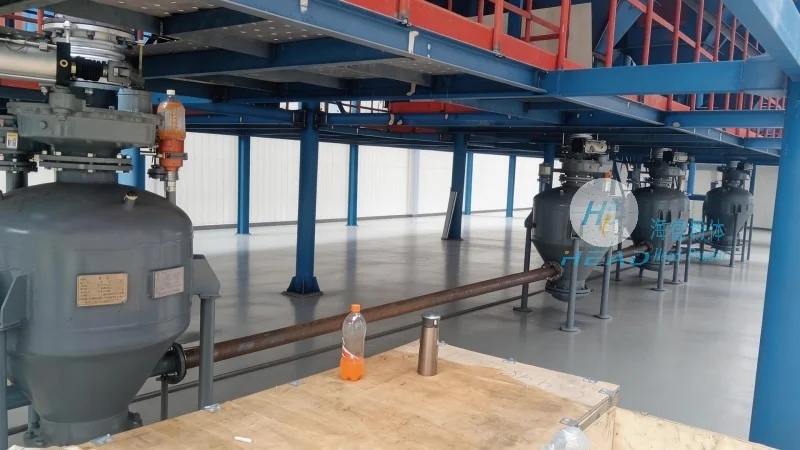
By leveraging their expertise in PFA material properties and pneumatic conveying technology, HeadPowder provides customized solutions that address the unique challenges of PFA transport. The benefits of their design and equipment selection include:
Improved material integrity: The optimized system design minimizes material degradation, ensuring that PFA retains its desired properties for end-use applications.
Enhanced operational efficiency: Calculated air velocities and pressure drops reduce energy consumption, leading to lower operational costs.
Increased system reliability: High-quality equipment and automated controls minimize downtime and maintenance requirements.
Compliance with industry standards: The design and equipment selection adhere to relevant safety and environmental regulations, ensuring safe and sustainable operation.
Shandong HeadPowder Engineering Co., Ltd. offers comprehensive design, calculation, and equipment selection services for PFA pneumatic conveying systems. By combining advanced engineering methodologies with tailored equipment solutions, HeadPowder helps industrial clients achieve efficient, reliable, and cost-effective material transport for PFA and other high-performance powders. With a commitment to precision and customer satisfaction, HeadPowder remains a trusted partner in the powder handling industry.

 Shandong Headpowder Engineering Co., Ltd.
 156-6277-7102(Manager Zhang)
  0531-83386006
  Zhangqiu District, Jinan City, Shandong Province, China
telephone
WeChatconsult
top