With more than 10‑year industry experience, Shandong Headpowder delivers full‑service pneumatic‑conveying systems and blowers, undertaking nationwide turn‑key powder‑handling projects.
Your current position:首页 >> News >> Insights

Design Calculation and Equipment Selection for Gas-Liquid Transport of Desulfurization and Denitrification Agents

Release time:2026-09-10 17:16:47
name of the company:Shandong Headpowder Engineering Co., Ltd.
telephone:156-6277-7102
contacts:Manager Zhang

For industrial facilities dealing with flue gas treatment, the efficient and reliable transport of desulfurization and denitrification agents is a critical component of their overall environmental control systems. Proper design and equipment selection for gas-liquid transport processes are essential to ensure optimal performance, minimize operational costs, and meet stringent environmental regulations. This article provides an overview of the key considerations involved in the design calculation and equipment selection for the gas-liquid transport of desulfurization and denitrification agents, with a focus on practical applications and best practices.
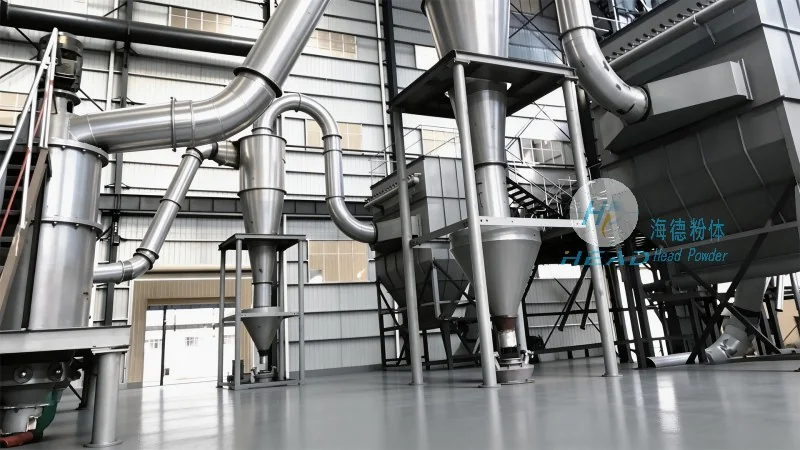
Design Calculation and Equipment Selection for Gas-Liquid Transport of Desulfurization and Denitrification Agents

Understanding the Importance of Gas-Liquid Transport in Desulfurization and Denitrification

Desulfurization and denitrification are two of the most common flue gas treatment technologies used to reduce sulfur dioxide (SO₂) and nitrogen oxides (NOₓ) emissions from industrial sources such as power plants, chemical factories, and steel mills. These processes typically involve the use of chemical reagents, often in the form of powders or slurries, which must be transported to the reaction points within the treatment system. Gas-liquid transport systems are commonly employed for this purpose due to their ability to handle abrasive and corrosive materials while maintaining high efficiency and low maintenance requirements.
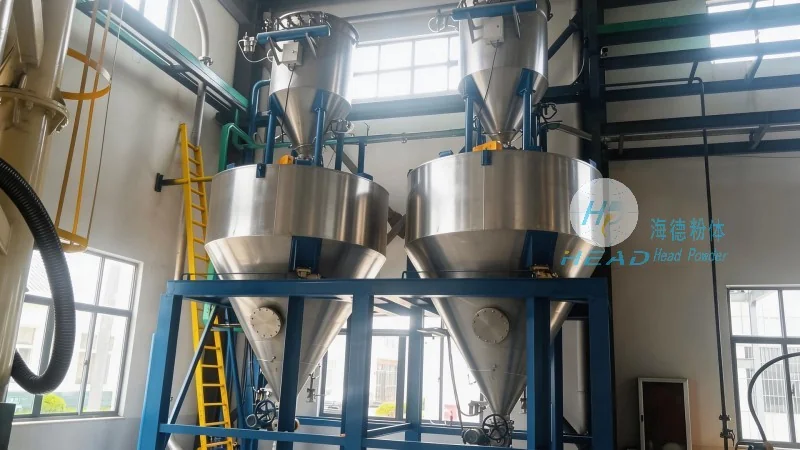
Design Calculation and Equipment Selection for Gas-Liquid Transport of Desulfurization and Denitrification Agents

Key Design Considerations for Gas-Liquid Transport Systems

The design of a gas-liquid transport system for desulfurization and denitrification agents involves several critical factors that must be carefully evaluated to ensure system reliability and performance. These considerations include:
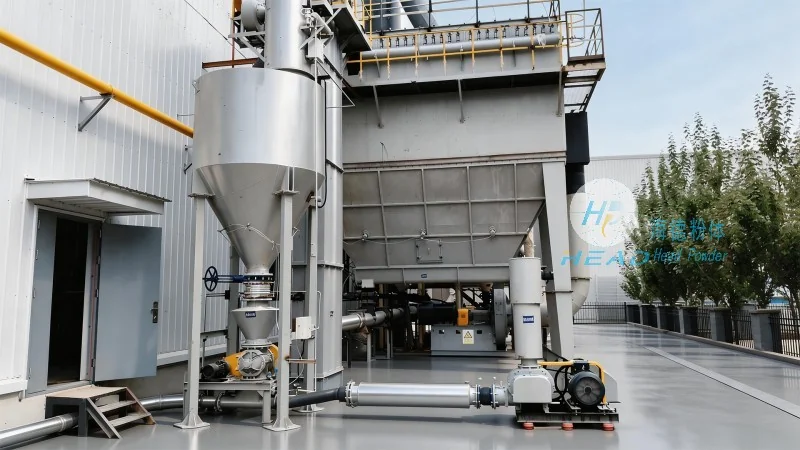
Design Calculation and Equipment Selection for Gas-Liquid Transport of Desulfurization and Denitrification Agents

  • Flow Rate and Pressure Requirements: The required flow rate of the transport medium (e.g., air or gas) and the operating pressure must be determined based on the specific application and the distance over which the material needs to be transported.
  • Material Characteristics: The physical properties of the desulfurization and denitrification agents, such as particle size, density, and moisture content, significantly impact the selection of transport equipment and the design of the system.
  • System Layout and Geometry: The layout of the transport lines, including vertical and horizontal runs, bends, and elbows, must be optimized to minimize pressure losses and ensure consistent material flow.
  • Environmental and Safety Factors: Compliance with local environmental regulations and safety standards is paramount when designing gas-liquid transport systems, particularly in industrial settings where hazardous materials are handled.

Equipment Selection for Gas-Liquid Transport of Desulfurization Agents

When selecting equipment for the gas-liquid transport of desulfurization agents, several types of equipment are commonly considered, each with its own advantages and limitations. The choice of equipment depends on factors such as the material properties, flow rate, and system layout. Key equipment options include:
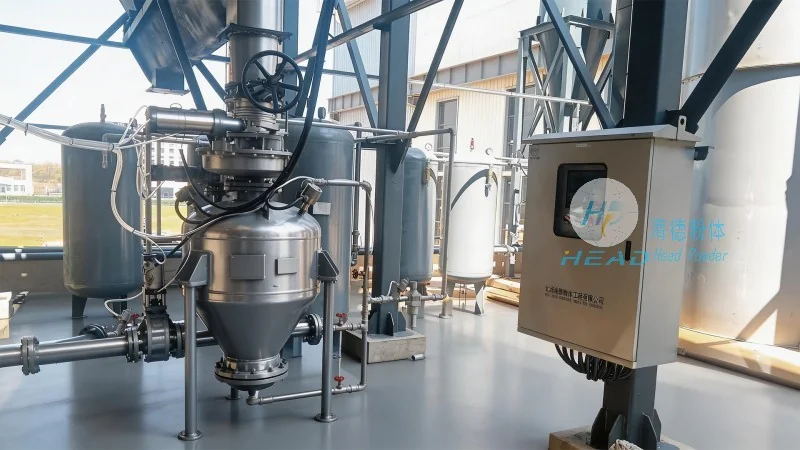
Design Calculation and Equipment Selection for Gas-Liquid Transport of Desulfurization and Denitrification Agents

  • Pneumatic Conveying Systems: Pneumatic conveying systems use compressed air or gas to transport materials in a closed system. These systems are suitable for both low and high flow rates and can handle a wide range of particle sizes. For desulfurization agents, positive displacement blowers or rotary lobe pumps are often used as the air source.
  • Hybrid Conveying Systems: Hybrid systems combine pneumatic and mechanical conveying methods to achieve optimal performance. These systems are particularly useful for long-distance or high-capacity transport applications, as they can reduce energy consumption and improve material handling efficiency.
  • Feeder and Metering Equipment: Proper feeding and metering of the desulfurization agents are critical to maintain consistent flow rates and prevent blockages in the transport system. Equipment such as rotary valves, screw feeders, and gravimetric feeders are commonly used to ensure accurate and reliable material delivery.

Design Calculation Methods for Gas-Liquid Transport Systems

Accurate design calculations are essential to ensure that the selected equipment and system layout will meet the required performance specifications. Several methods are commonly used for the design of gas-liquid transport systems, including:

recommend

Copyright © Shandong Headpowder Engineering Co., Ltd.    营业执照公示 网站地图

top
