With more than 10‑year industry experience, Shandong Headpowder delivers full‑service pneumatic‑conveying systems and blowers, undertaking nationwide turn‑key powder‑handling projects.
HeadPowder, a leading engineering firm based in Shandong, China, specializes in providing comprehensive solutions for organic salt pneumatic conveying systems. This article outlines the essential design calculations and equipment selection processes that ensure efficient and reliable material handling for organic salt applications.
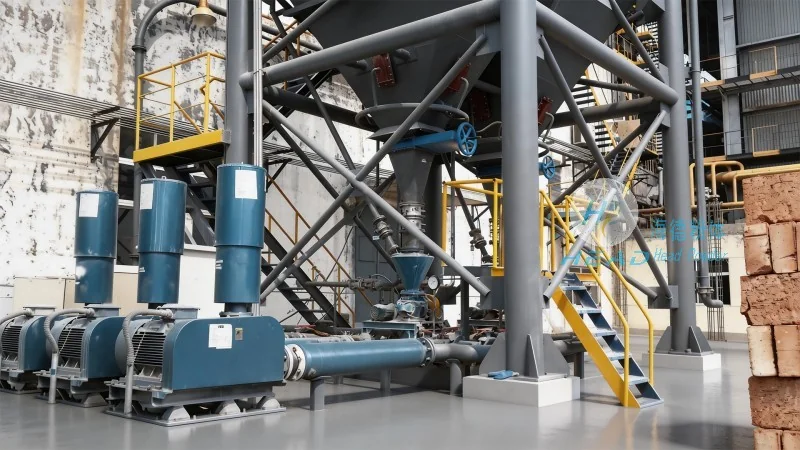
Organic salt, such as sodium chloride or other salt compounds used in industrial processes, often requires specialized handling due to its unique physical and chemical properties. Pneumatic conveying systems offer a non-contact, dust-free method to transport these materials, making them ideal for applications where hygiene and product integrity are critical. The design of such systems involves a detailed analysis of material characteristics, system layout, and operational parameters to achieve optimal performance.
The success of an organic salt pneumatic conveying system hinges on accurate design calculations that consider several critical factors. First, the material's bulk density and flowability are essential parameters. These properties determine the required air velocity and pressure to maintain stable flow within the conveying line. Engineers must calculate the air volume and pressure needed to overcome friction losses, elevation changes, and any bends or fittings in the system. Additionally, the system's capacity, defined by the required throughput, must be matched with the appropriate equipment to avoid under or overloading.
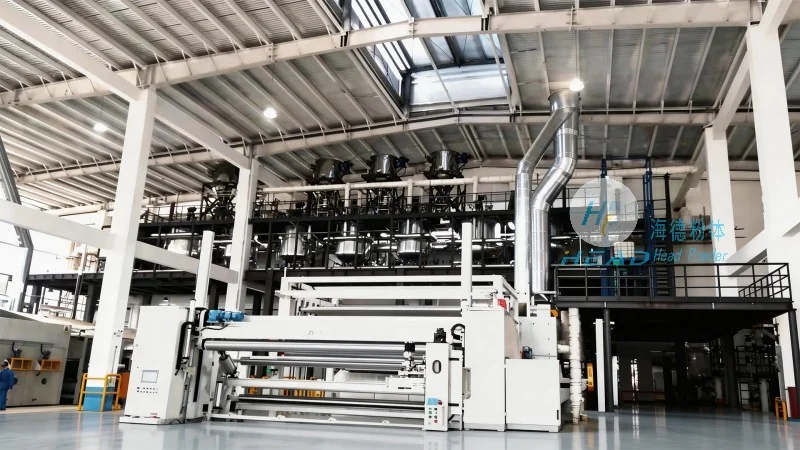
Choosing the right equipment for organic salt pneumatic conveying is a critical step that directly impacts system efficiency and longevity. The primary components include the material feeders, air movers (blowers or fans), conveying lines, and collection hoppers. For organic salt, which may be prone to caking or agglomeration, high-quality feeders like rotary valves or vibratory feeders are recommended to ensure consistent material flow. The air mover must be selected based on the required air volume and pressure, with considerations for power efficiency and noise levels. Conveying lines are typically made of corrosion-resistant materials, such as stainless steel or PVC, to prevent degradation from the salt's chemical properties. The selection of hoppers and collection equipment is also vital to prevent material buildup and ensure smooth discharge.
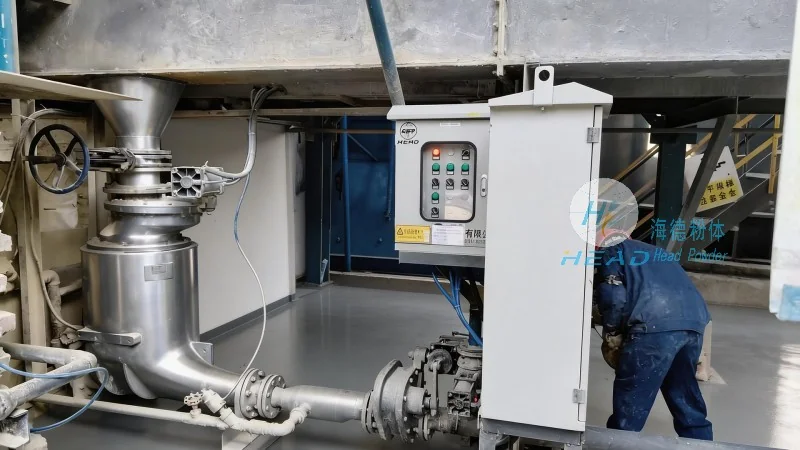
Effective organic salt pneumatic conveying systems require careful integration of all components and continuous optimization. This involves balancing the air flow with the material feed rate to maintain a stable conveying condition, often referred to as the "air-to-material ratio." Engineers must also consider the system's scalability, allowing for future expansion or changes in production capacity. Regular maintenance and monitoring of key parameters, such as pressure and flow rates, are essential to detect and address any issues promptly, ensuring long-term reliability and operational efficiency.
Organic salt pneumatic conveying design and equipment selection are complex processes that require a deep understanding of material properties and system dynamics. By following a systematic approach that includes thorough design calculations and informed equipment choices, industries can achieve efficient, safe, and cost-effective material handling solutions. HeadPowder, with its expertise in engineering and material handling, offers tailored solutions that meet the specific needs of organic salt applications, ensuring optimal performance and reliability.

 Shandong Headpowder Engineering Co., Ltd.
 156-6277-7102(Manager Zhang)
  0531-83386006
  Zhangqiu District, Jinan City, Shandong Province, China
telephone
WeChatconsult
top