

[Dry Soybean Pneumatic Conveying Design Calculation and Equipment Selection]
Efficient material transport is a cornerstone of operational efficiency in soybean processing facilities. Pneumatic conveying systems offer a robust and flexible solution for moving dry soybeans through various stages of processing, from storage to packaging. This article delves into the design calculation methodologies and equipment selection strategies for dry soybean pneumatic conveying systems, highlighting the key considerations that ensure optimal performance and reliability.
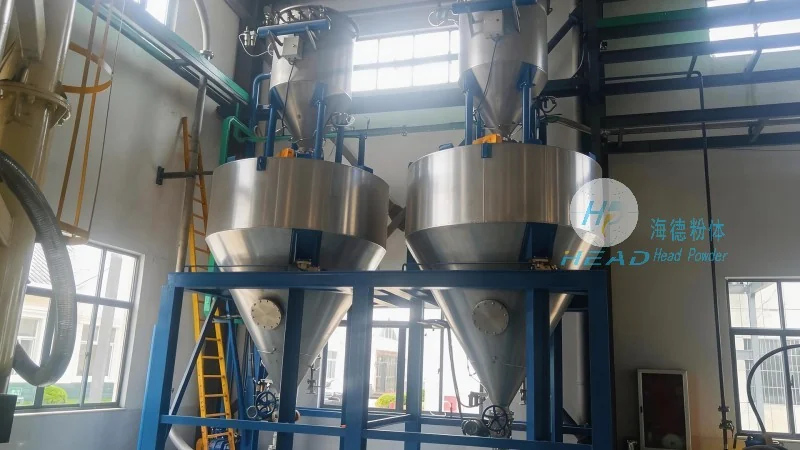
Foundations of Dry Soybean Pneumatic Conveying
Pneumatic conveying systems rely on the force of air or gas to transport dry materials like soybeans through a network of pipes. These systems can be classified into positive pressure, negative pressure, or a hybrid approach, each with distinct advantages based on the application's requirements. For dry soybeans, positive pressure systems are often preferred due to their ability to handle higher material loads and longer conveying distances without the risk of material degradation or contamination.
Core Design Considerations for Dry Soybean Conveying
The successful design of a dry soybean pneumatic conveying system hinges on a thorough understanding of the material's physical properties and the operational constraints of the facility. Key design parameters include the soybean's bulk density, particle size distribution, moisture content, and flowability. These characteristics directly impact the system's air velocity requirements, as higher air speeds are needed to fully suspend larger or denser particles. Additionally, the system's layout, including the distance between the source and destination points, the number of bends and fittings, and the presence of vertical or horizontal sections, must be carefully planned to minimize pressure losses and ensure consistent material flow.
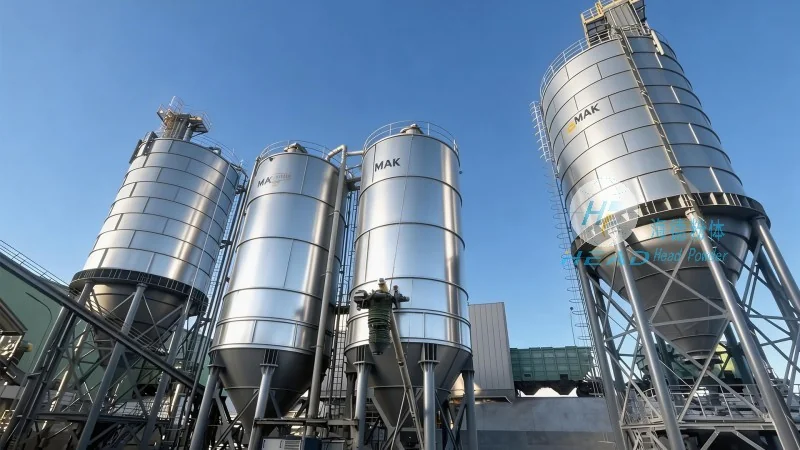
Step-by-Step Design Calculation Process
The design calculation process for dry soybean pneumatic conveying involves several critical steps. First, the required conveying capacity is determined based on the production rate and the time available for material transport. This capacity is then used to calculate the necessary air flow rate, which is a function of the system's design velocity and the cross-sectional area of the conveying line. The air velocity is typically set to ensure that the soybeans are fully suspended, usually at a velocity of 20-30 meters per second for dry granular materials. Next, the pressure drop across the system is calculated by summing the friction losses along the pipe length, losses at bends and fittings, and the acceleration and elevation changes. This pressure drop is then used to determine the power required from the air source, such as a blower or compressor. Engineers also consider the system's efficiency, including the energy consumption and the potential for air leakage, to optimize the overall performance.
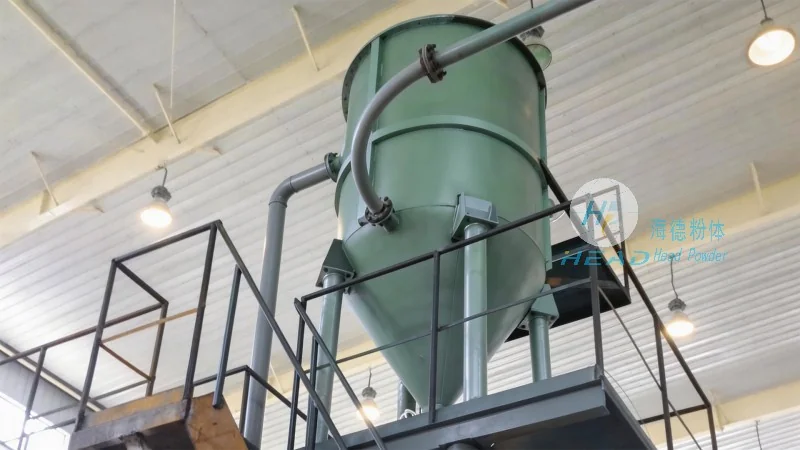
Equipment Selection for Reliable Dry Soybean Conveying
Choosing the right equipment is paramount to the long-term success of a dry soybean pneumatic conveying system. The primary equipment components include the air source, conveying line, and material handling accessories. For dry soybeans, the air source must be capable of delivering the required air flow and pressure at a consistent rate. Common options include centrifugal blowers and positive displacement compressors, each with its own advantages in terms of pressure range and efficiency. The conveying line is typically made of stainless steel or other corrosion-resistant materials to withstand the abrasive nature of soybean particles and to maintain hygiene standards. The selection of pipe diameter is critical, as it directly affects the air velocity and pressure drop. Larger diameters reduce pressure losses but increase equipment cost, while smaller diameters may lead to higher air speeds and increased wear. Fittings such as elbows, tees, and valves are also selected based on their flow characteristics and durability. Material handling components, including hoppers, feeders, and receivers, must be designed to handle the soybean's flowability and to prevent blockages or material buildup.

Expert Solutions from Shandong HeadPowder Engineering Co., Ltd.
Shandong HeadPowder Engineering Co., Ltd., operating under the brand headpowder, is a leading provider of pneumatic conveying solutions tailored to the food processing industry. The company specializes in designing and implementing customized dry soybean pneumatic conveying systems that meet the unique needs of each client. With a team of experienced engineers and technicians, headpowder conducts comprehensive assessments of client facilities to identify the most efficient conveying routes and equipment configurations. The company's design process includes detailed calculations for air velocity, pressure drop, and power requirements, ensuring that the final system is optimized for performance and cost-effectiveness. Headpowder also provides installation and commissioning services, as well as ongoing maintenance support, to ensure that the pneumatic conveying system operates at peak efficiency throughout its lifecycle. The company's commitment to quality and customer satisfaction has made it a trusted partner for businesses seeking reliable dry soybean handling solutions.
Optimizing Dry Soybean Handling with Pneumatic Conveying
By leveraging the principles of pneumatic conveying, businesses can significantly improve the efficiency and safety of their dry soybean handling operations. The design calculation and equipment selection processes outlined above ensure that the system is tailored to the specific characteristics of the soybeans and the operational requirements of the facility. This results in reduced downtime, lower maintenance costs, and improved overall productivity. Companies like Shandong HeadPowder Engineering Co., Ltd. play a crucial role in helping businesses achieve these benefits by providing expert guidance and customized solutions that address the unique challenges of dry soybean processing. With their focus on engineering excellence and customer service, headpowder continues to be a leader in the development of efficient pneumatic conveying systems for the food industry.