

Key Design Considerations for Zinc Calcine Pneumatic Conveying System
When designing a pneumatic conveying system for zinc calcine, several critical factors must be considered to ensure efficiency, reliability, and safety. The system's performance directly impacts the overall operational efficiency of the zinc processing plant, making thorough planning essential. This article outlines key design considerations for such systems, focusing on the technical and practical aspects that ensure optimal performance.
System Selection and Flow Rate Determination
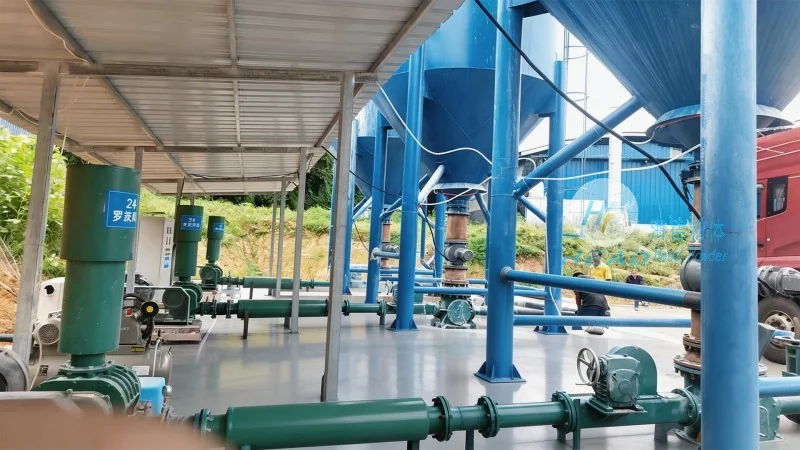
The first step in designing a zinc calcine pneumatic conveying system is selecting the appropriate conveying method. There are two main categories: dilute-phase and dense-phase systems. Dilute-phase systems use high air velocities to transport material in a dispersed state, while dense-phase systems use lower velocities to move material in a more concentrated form. For zinc calcine, which is typically a fine to medium powder, a dilute-phase system is often preferred due to its ability to handle high material flow rates with minimal pressure drop. The choice of system type depends on factors such as the material's properties, the required conveying distance, and the plant's operational constraints. Accurate determination of the required flow rate is crucial. This involves calculating the material's bulk density, particle size distribution, and the desired throughput. Using the correct flow rate ensures that the system operates within its optimal range, preventing issues like clogging or excessive energy consumption.
Equipment Selection and Sizing
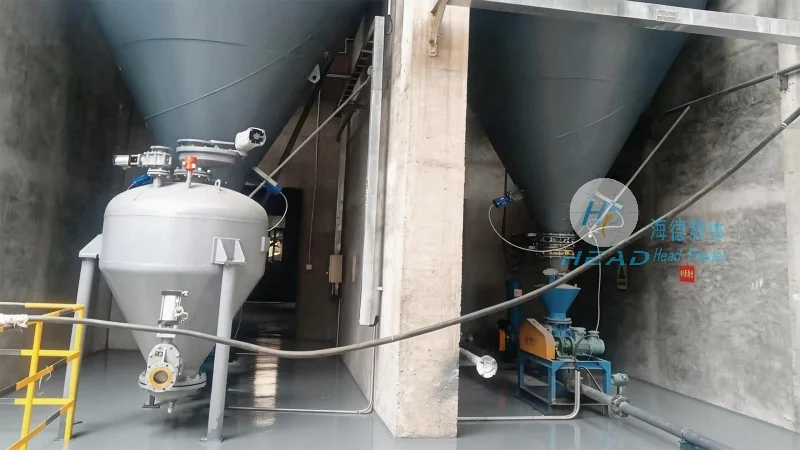
Key equipment in a pneumatic conveying system includes the feed hopper, air compressor, conveying line, and receiver. The feed hopper must be designed to handle the zinc calcine's bulk properties, including its flowability and potential for bridging or rat-holing. Proper hopper design, such as using conical or wedge-shaped configurations with appropriate angles, ensures smooth material discharge. The air compressor is a critical component, as its capacity and pressure must match the system's requirements. Over-sizing the compressor can lead to unnecessary energy costs, while under-sizing may result in insufficient air flow to transport the material. The conveying line's diameter and length are also important. The line diameter should be sized based on the material's particle size and the required flow rate to minimize pressure drop and prevent particle degradation. For long-distance conveying, using larger diameter lines or adding intermediate receivers may be necessary to maintain system efficiency.
Flow Path and Pressure Drop Analysis
The design of the conveying line's flow path is essential for minimizing pressure drop and ensuring consistent material transport. The flow path should be as straight as possible, with minimal bends or fittings that could cause turbulence or particle separation. Each bend and fitting introduces additional pressure loss, which must be accounted for in the system design. Using smooth, rounded bends and reducing the number of fittings can improve system efficiency. Pressure drop analysis is a critical part of the design process. It involves calculating the pressure required to move the material through the system, including losses due to friction, bends, and fittings. Accurate pressure drop calculations ensure that the air compressor is sized appropriately and that the system operates within its pressure limits. For zinc calcine, which can be abrasive, using materials such as stainless steel or special alloys for the conveying line and components is recommended to prevent wear and maintain system integrity.
Safety and Environmental Considerations
Safety is a top priority when designing a pneumatic conveying system for zinc calcine. The system must comply with relevant safety regulations and standards to protect personnel and equipment. This includes proper ventilation to prevent dust accumulation, which can be a fire hazard. The system should also include emergency shutdown mechanisms and pressure relief valves to prevent over-pressurization. Environmental considerations are also important. The system should be designed to minimize dust emissions and ensure compliance with environmental regulations. Using dust collection systems and proper sealing of the conveying line can help reduce emissions. Additionally, the system should be designed to handle any potential material spills or leaks, with appropriate containment measures in place.
Integration with Plant Operations
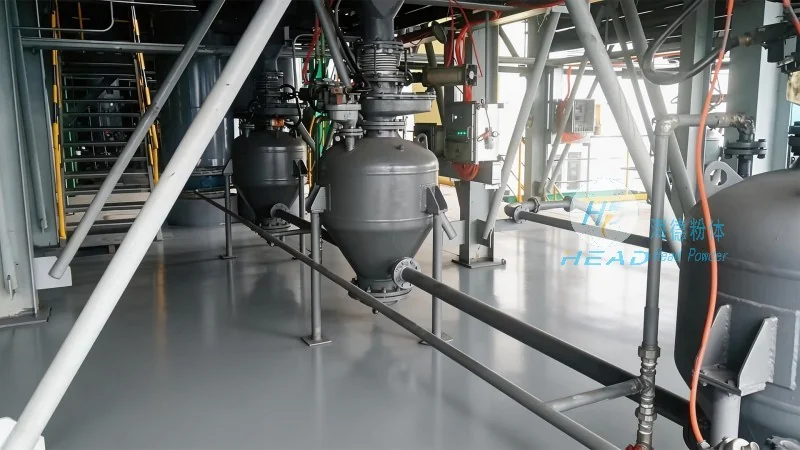
The pneumatic conveying system must be integrated seamlessly with the overall plant operations. This includes coordinating with other process units, such as the calcination and filtration stages, to ensure smooth material flow. The system should be designed to handle variations in material feed rates and quality, such as changes in zinc calcine composition or moisture content. Using sensors and control systems to monitor and adjust the system's operation can improve its adaptability. The system should also be designed for easy maintenance and inspection, with access points to key components like the feed hopper and air compressor. Regular maintenance is essential to ensure the system's long-term reliability and performance.
Case Study: A Successful Zinc Calcine Pneumatic Conveying System
Shandong HeadPowder Engineering Co., Ltd. has successfully designed and implemented a zinc calcine pneumatic conveying system for a major zinc processing plant. The system was designed to transport zinc calcine from the calcination unit to the filtration and leaching stages over a distance of 200 meters. The system uses a dilute-phase design with a 150 mm diameter conveying line and a high-pressure air compressor. The feed hopper is equipped with a vibratory feeder to ensure consistent material discharge. The system has been in operation for over two years, achieving a throughput of 50 tons per hour with minimal downtime. The system's design considerations, including proper flow rate determination, equipment sizing, and pressure drop analysis, have contributed to its high efficiency and reliability. The plant has reported significant improvements in operational efficiency and reduced energy consumption compared to traditional conveying methods.