With more than 10‑year industry experience, Shandong Headpowder delivers full‑service pneumatic‑conveying systems and blowers, undertaking nationwide turn‑key powder‑handling projects.
When it comes to handling and transporting rice husk efficiently, a well-designed pneumatic conveying system is crucial. The process of selecting and implementing the right system involves careful consideration of several key factors to ensure optimal performance, reliability, and cost-effectiveness. This article aims to provide a comprehensive guide on how to design a reasonable rice husk pneumatic conveying system plan, focusing on the essential elements that contribute to a successful implementation.
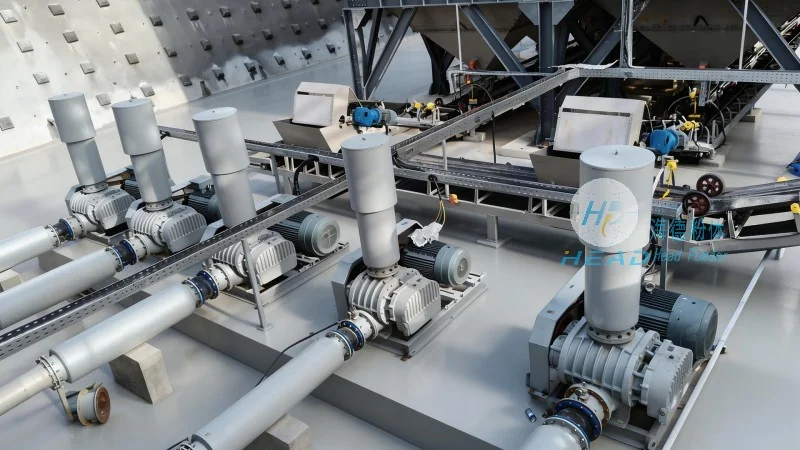
Pneumatic conveying systems utilize air or gas to transport bulk materials like rice husk through a pipeline network. The primary advantage of this method is the ability to move materials without direct contact with mechanical components, reducing wear and tear and minimizing the risk of contamination. For rice husk, which is often used as a biofuel or in industrial applications, maintaining the material's integrity is paramount. Therefore, the design of the system must prioritize factors such as material flow rate, pipeline pressure, and the selection of appropriate components to ensure efficient and safe operation.
Several critical factors must be evaluated when designing a pneumatic conveying system for rice husk. First, the material's physical properties, including its density, moisture content, and particle size distribution, play a significant role in determining the system's performance. Rice husk is typically lightweight and has a relatively low bulk density, which can affect the conveying velocity and pressure requirements. Additionally, the system must be designed to handle variations in material flow, such as fluctuations in production rates or changes in raw material characteristics. This flexibility ensures that the system can adapt to different operational conditions without compromising efficiency.
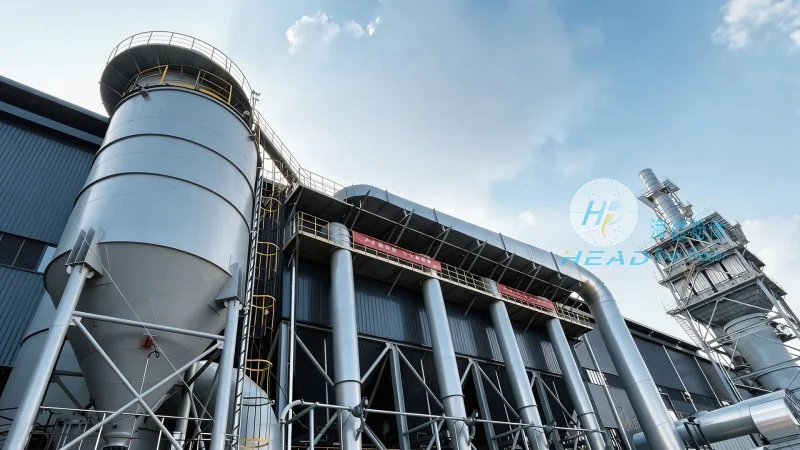
Another important consideration is the selection of the conveying method. There are two main types of pneumatic conveying systems: dilute-phase and dense-phase. Dilute-phase systems use low pressure and high air velocity to transport materials, while dense-phase systems operate at higher pressures and lower velocities. For rice husk, which is prone to dust generation and can cause blockages in pipelines, a dense-phase system may be more suitable as it reduces the risk of material degradation and pipeline clogging. The choice of system type depends on the specific application and the desired material handling characteristics.
The effectiveness of a pneumatic conveying system is heavily dependent on the quality and compatibility of its components. Key components include the material feeders, which ensure a consistent flow of rice husk into the system; the air movers, such as blowers or compressors, which provide the necessary pressure and airflow; and the pipeline network, which must be properly sized and configured to minimize pressure losses. The material feeders, for example, should be designed to handle the specific characteristics of rice husk, such as its tendency to clump or create dust. This may involve the use of rotary valves or screw feeders that can maintain a steady flow without causing blockages.
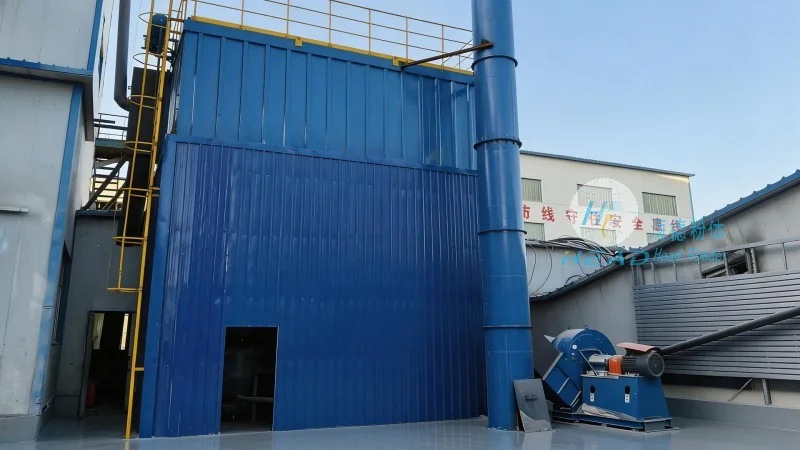
The air movers are another critical component, as they directly impact the system's energy efficiency and operational costs. The choice of blower or compressor depends on the required pressure and flow rate. For rice husk applications, where high airflow is often needed to maintain material suspension, a high-efficiency blower may be preferred. The pipeline layout is also crucial, as it must be designed to minimize bends and changes in direction, which can cause pressure drops and material deposition. Properly sized pipelines and the use of smooth, corrosion-resistant materials can help maintain consistent pressure and prevent system failures.
Modern pneumatic conveying systems often incorporate advanced control systems to monitor and regulate operation. These systems can include sensors to detect material levels, pressure, and airflow, as well as automated controls to adjust the system's parameters in real-time. For rice husk handling, where safety is a top priority due to the potential for dust explosions, the integration of safety measures is essential. This may include dust collection systems, explosion-proof components, and emergency shutdown procedures. The control systems can also help optimize energy usage by adjusting the air flow based on the actual material demand, reducing unnecessary energy consumption and lowering operational costs.
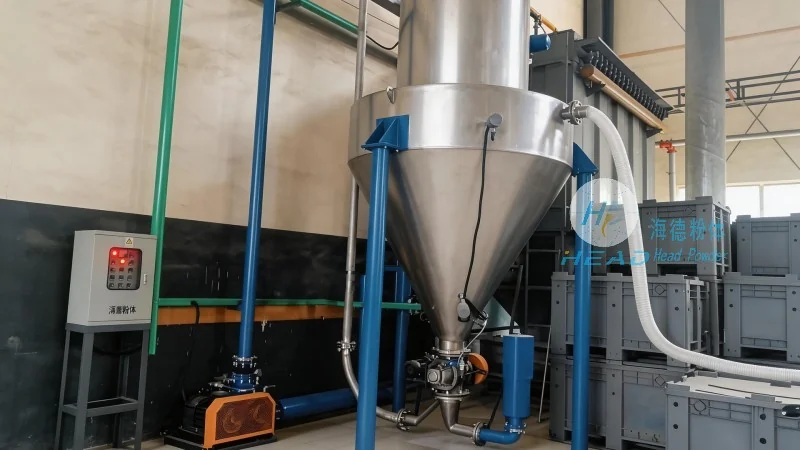
Shandong HeadPowder Engineering Co., Ltd., a leading provider of bulk material handling solutions, has successfully implemented a pneumatic conveying system for rice husk in a biofuel production facility. The system was designed to transport rice husk from storage silos to a processing plant, ensuring a continuous and efficient flow of material. The company's engineers carefully evaluated the material properties and operational requirements, selecting a dense-phase conveying system with appropriate components. The system has demonstrated high reliability, with minimal downtime and low maintenance costs. The integration of advanced control systems has also enabled the facility to optimize its energy usage and improve overall operational efficiency.
Designing a reasonable rice husk pneumatic conveying system requires a comprehensive approach that considers the material's characteristics, operational requirements, and safety considerations. By carefully evaluating the key design factors, selecting appropriate components, and integrating advanced control systems, a system can be developed that ensures efficient, reliable, and cost-effective material handling. For businesses involved in rice husk processing, partnering with a reputable engineering company like Shandong HeadPowder Engineering Co., Ltd. can provide the expertise and solutions needed to implement a successful pneumatic conveying system. With the right design and implementation, such systems can significantly enhance productivity and contribute to the overall success of rice husk-based operations.

 Shandong Headpowder Engineering Co., Ltd.
 156-6277-7102(Manager Zhang)
  0531-83386006
  Zhangqiu District, Jinan City, Shandong Province, China
telephone
WeChatconsult
top