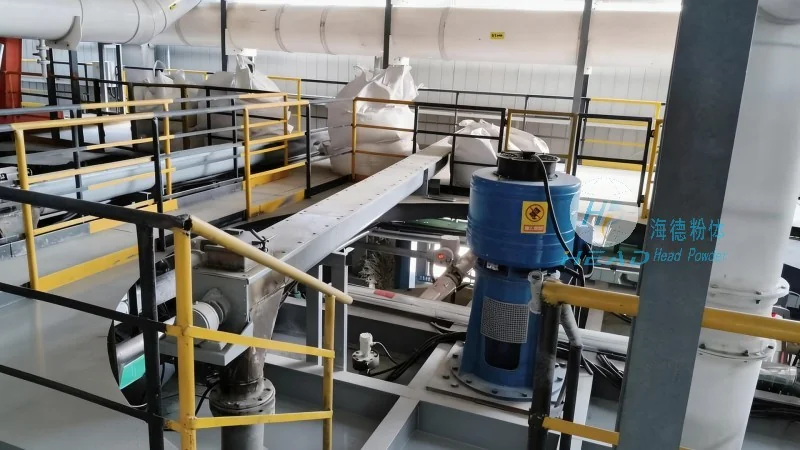
With more than 10‑year industry experience, Shandong Headpowder delivers full‑service pneumatic‑conveying systems and blowers, undertaking nationwide turn‑key powder‑handling projects.
Efficient and reliable material handling is a critical component in modern industrial processing, particularly within the biomass energy and agricultural sectors. As the demand for renewable energy sources grows, the need for specialized equipment to handle raw materials becomes increasingly apparent. Biomass powder, which includes materials such as sawdust, wood pellets, straw, and agricultural waste, presents unique challenges due to its fine particle size, tendency to absorb moisture, and potential for dust explosion. To address these challenges, industries require robust infrastructure designed to transport these materials safely and continuously. This is where specialized engineering solutions become indispensable.
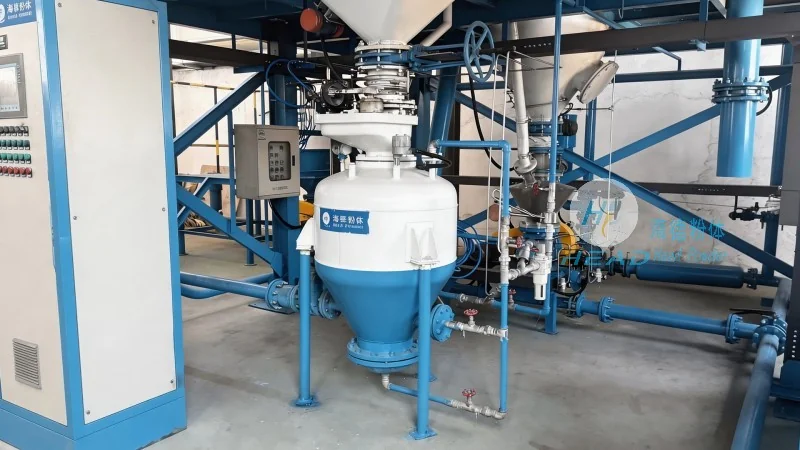
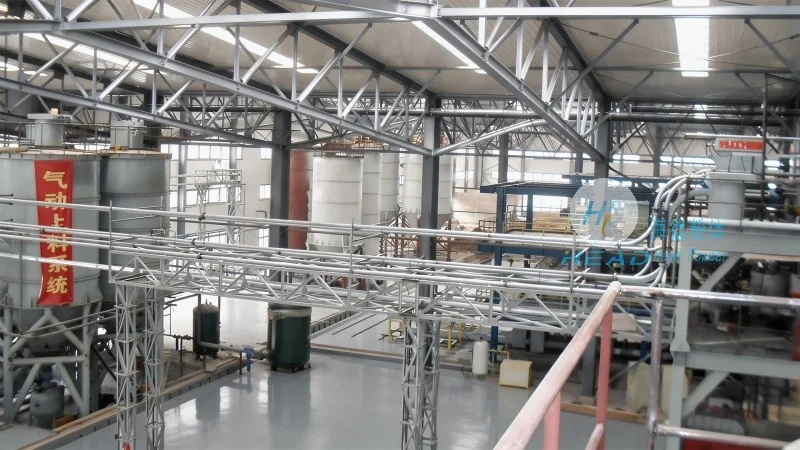
One size does not fit all when it comes to bulk material handling. Every facility has unique layout constraints, production capacities, and environmental regulations. Therefore, the implementation of a biomass powder pneumatic conveying scheme must be meticulously tailored to the specific operational environment. A generic approach often leads to inefficiencies, such as blockages in the pipeline, excessive wear on equipment, or significant energy consumption. By opting for a customized solution, engineers can design a system that optimizes the flow of materials from the storage silo to the processing unit or boiler.
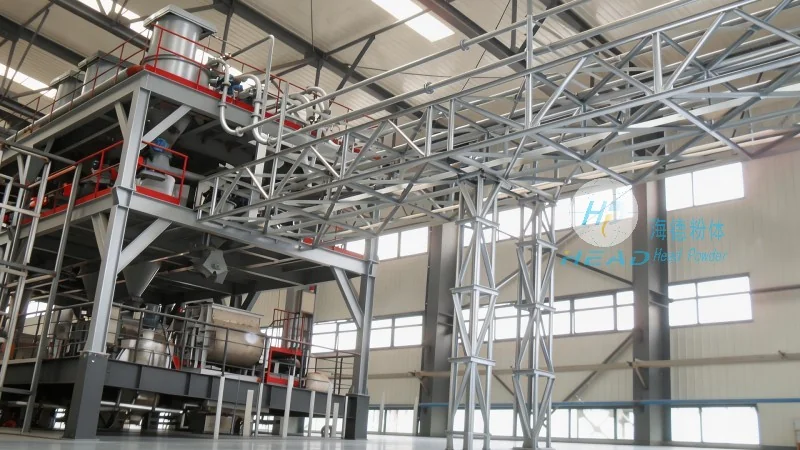
Customization involves a comprehensive analysis of the facility's layout, the specific properties of the biomass powder being handled, and the desired output volume. Advanced engineers will assess factors such as the angle of inclination for the pipelines, the distance between the feeding point and the receiving point, and the required pressure differentials. This ensures that the pneumatic conveying system operates at peak efficiency, minimizing downtime and maintenance costs. Whether the application requires a vacuum system to pull materials or a pressure system to push them, a tailored scheme guarantees that the biomass powder reaches its destination without degradation or loss of quality.
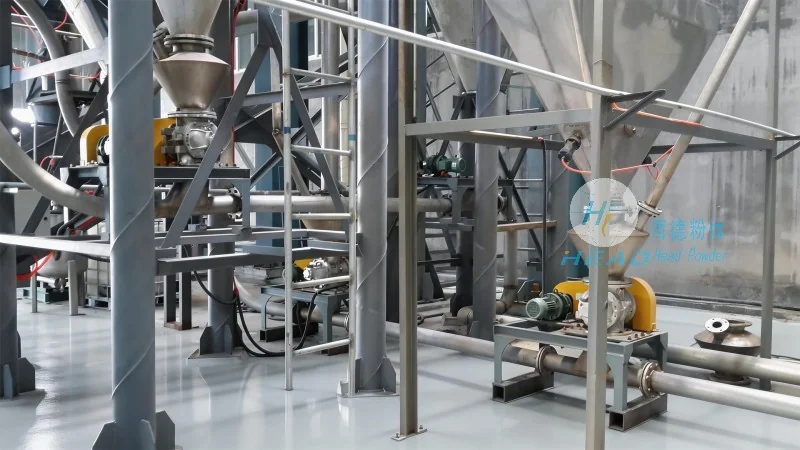
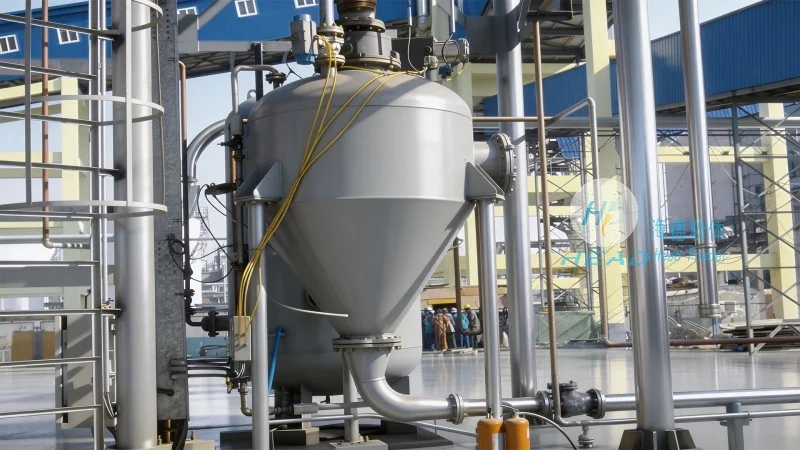
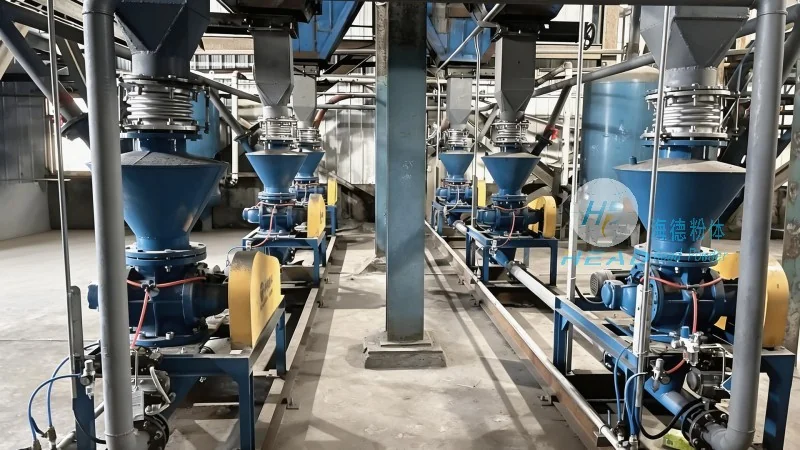
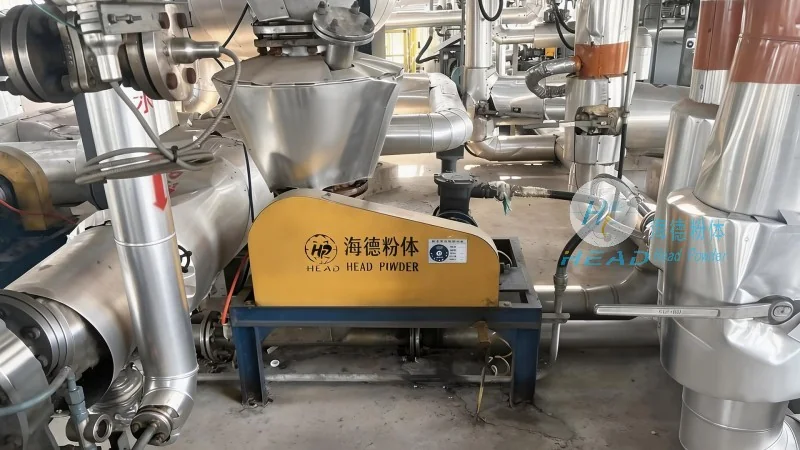
At the heart of any successful material transport operation is the biomass powder conveying system equipment. This equipment is engineered to handle the abrasive and fine nature of biomass powders with durability and precision. A typical advanced system comprises several critical components working in unison. It begins with the feeding system, which may include screw feeders or rotary valves, designed to provide a consistent and controlled feed rate into the conveying line.
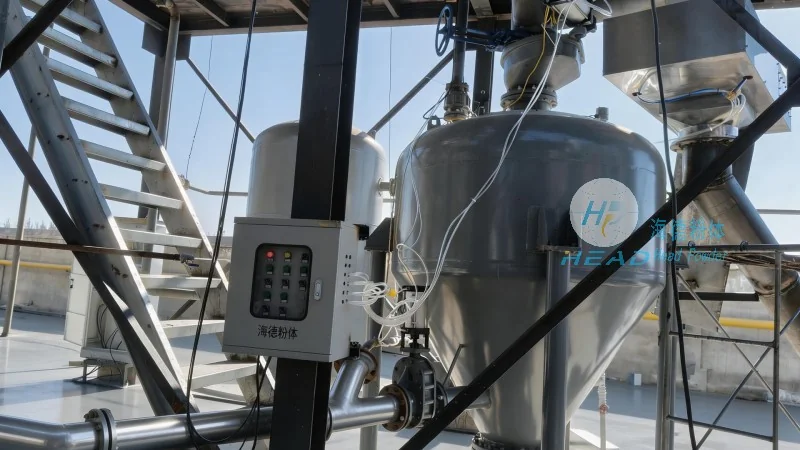
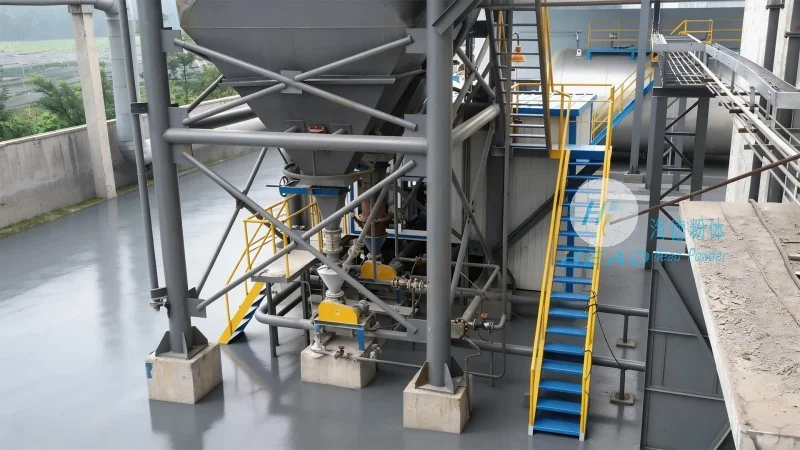
The conveying pipeline is another vital element, often constructed from high-grade carbon steel or stainless steel to withstand the abrasive effects of the powder. Inside the system, specialized valves such as double-dump valves or knife gate valves control the flow and prevent backflow. Additionally, the system is equipped with a dust extraction unit and a dust collector to ensure that the working environment remains clean and safe by capturing fine particulates that might otherwise escape. Modern systems also incorporate PLC-based control cabinets, allowing for automated operation and real-time monitoring of pressure and flow rates. This level of sophistication ensures that the system is not only effective but also energy-efficient, reducing the operational carbon footprint of the facility.
When investing in such critical infrastructure, the expertise of the supplier is paramount. Selecting a reputable biomass powder pneumatic conveying manufacturer ensures that the equipment is built to international standards and is backed by technical expertise. A specialized manufacturer possesses the R&D capabilities to innovate and adapt to new materials and stricter environmental regulations. They understand the nuances of fluid dynamics as they apply to biomass powder, allowing them to design systems that prevent arching and rat-holing, common issues in powder handling.
Furthermore, a dedicated manufacturer provides end-to-end services, from initial site surveys and feasibility studies to installation, commissioning, and after-sales support. They are equipped to handle complex projects, such as multi-point feeding or long-distance conveying, with ease. By partnering with a firm that focuses exclusively on this niche, clients benefit from a deep understanding of the industry's pain points and a proven track record of delivering reliable, high-performance solutions.
Located in the industrial hub of China, Shandong Headpowder Engineering Co., Ltd. stands as a prominent player in the field of pneumatic conveying technology. The company is dedicated to providing high-quality engineering solutions that cater to the complex needs of the biomass and powder processing industries. Based in Shandong, the company leverages the region's robust industrial infrastructure and skilled workforce to deliver superior products. The company's philosophy centers on innovation, quality, and customer satisfaction, ensuring that every system designed meets the rigorous demands of modern industrial applications.
For businesses seeking to upgrade their material handling capabilities or require a bespoke solution for biomass powder transport, direct consultation is highly recommended. The engineering team at Shandong Headpowder is ready to provide technical support and detailed quotations. Interested parties are encouraged to contact Manager Zhang for professional advice and cooperation. You may reach the company via WeChat at 15662777102 to discuss your specific requirements and explore how their advanced systems can optimize your production line.

 Shandong Headpowder Engineering Co., Ltd.
 156-6277-7102(Manager Zhang)
  0531-83386006
  Zhangqiu District, Jinan City, Shandong Province, China
telephone
WeChatconsult
top