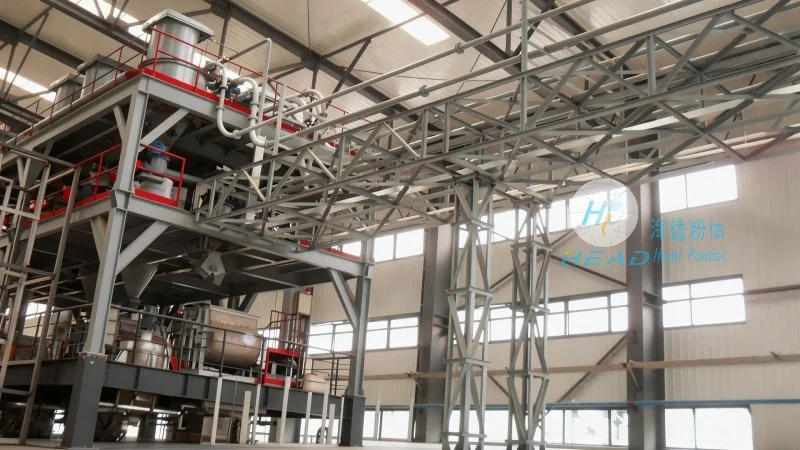
With more than 10‑year industry experience, Shandong Headpowder delivers full‑service pneumatic‑conveying systems and blowers, undertaking nationwide turn‑key powder‑handling projects.
The Unique Challenges of Handling Glass Fiber Reinforced Plastic Particles
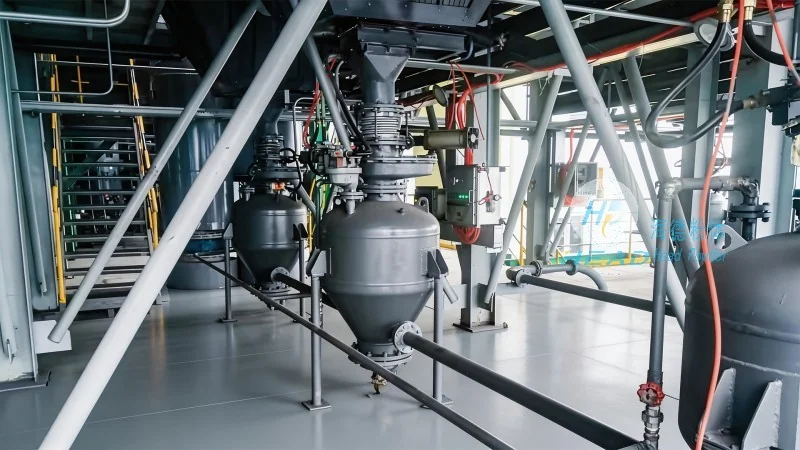
Handling Glass Fiber Reinforced Plastic (FRP) particles presents a distinct set of engineering challenges compared to standard bulk materials. FRP particles are characterized by their high hardness, abrasive nature, and propensity to generate static electricity during movement. These physical properties make them difficult to transport using traditional mechanical methods, such as belt conveyors or screw feeders, which often suffer from wear and tear or material degradation. Moreover, the fine dust generated by FRP particles poses significant risks to worker health and environmental compliance. Consequently, industries require a sophisticated approach to material handling that prioritizes dust containment, equipment longevity, and operational efficiency. This is where specialized engineering becomes essential to ensure a seamless production process.
The Critical Role of a Tailored Glass Fiber Reinforced Plastic Particles Pneumatic Conveying Solution
One size does not fit all in industrial material handling. A generic system often fails to account for the specific layout of a facility, the required throughput, and the environmental regulations in place. This is why a professional Glass Fiber Reinforced Plastic Particles Pneumatic Conveying Solution is indispensable. Customization involves a comprehensive analysis of the client's production line to design a system that integrates perfectly with existing infrastructure. Whether the facility requires a vertical lift to a high-level silo or a horizontal run across multiple floors, the solution must be engineered to optimize flow dynamics. A tailored approach ensures that the system minimizes energy consumption while maximizing the volume of material transferred, thereby reducing operational costs and increasing overall productivity.
Core Components of a Robust Glass Fiber Reinforced Plastic Particles Conveying System Equipment
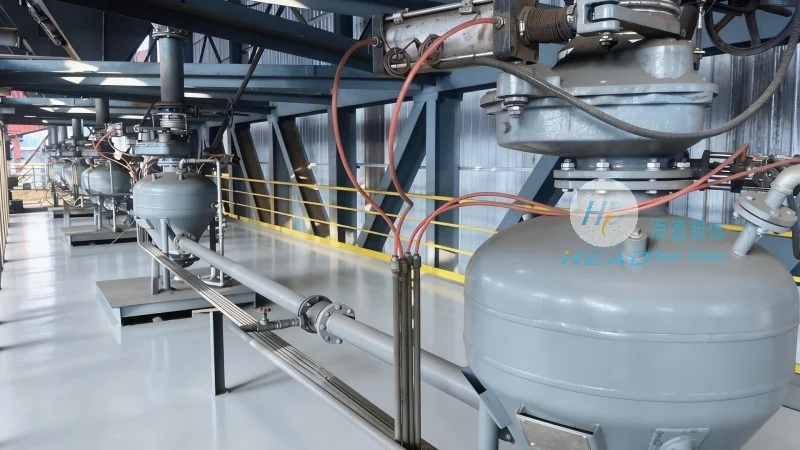
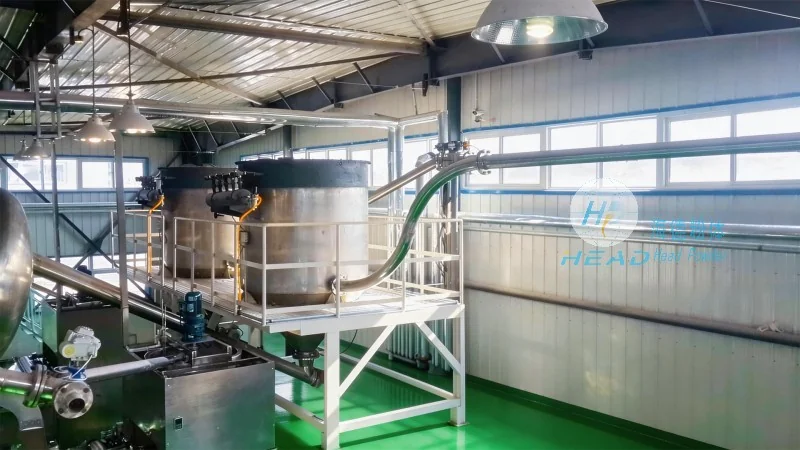
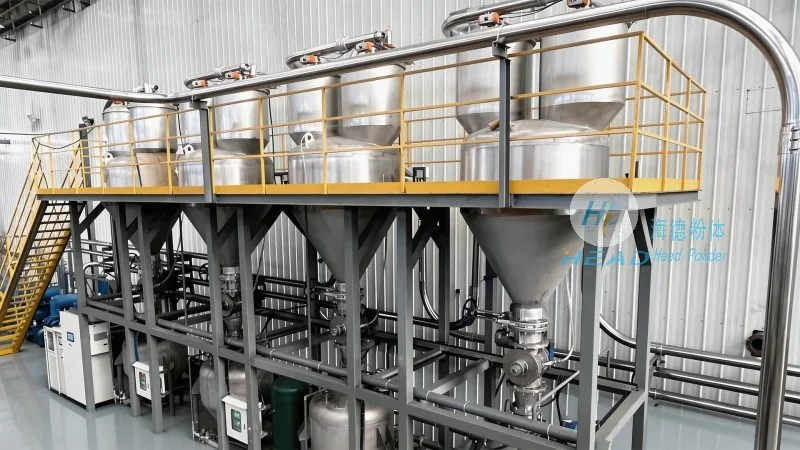
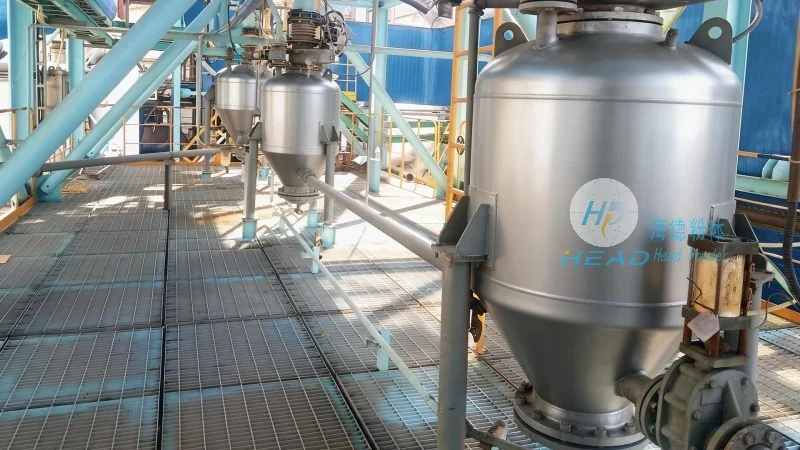
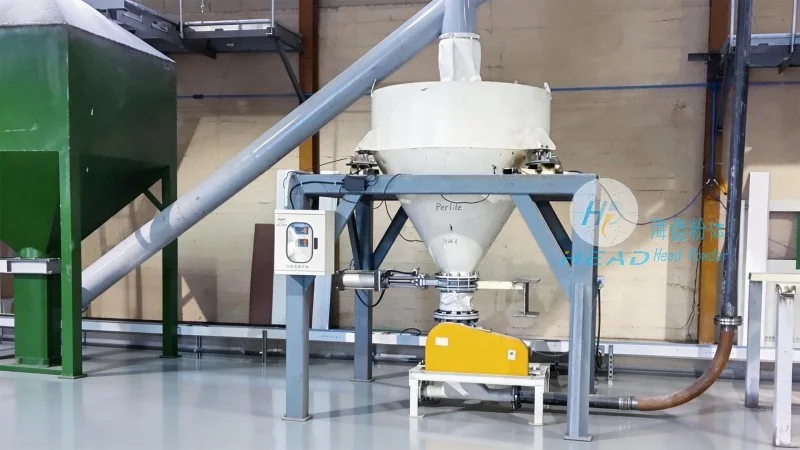
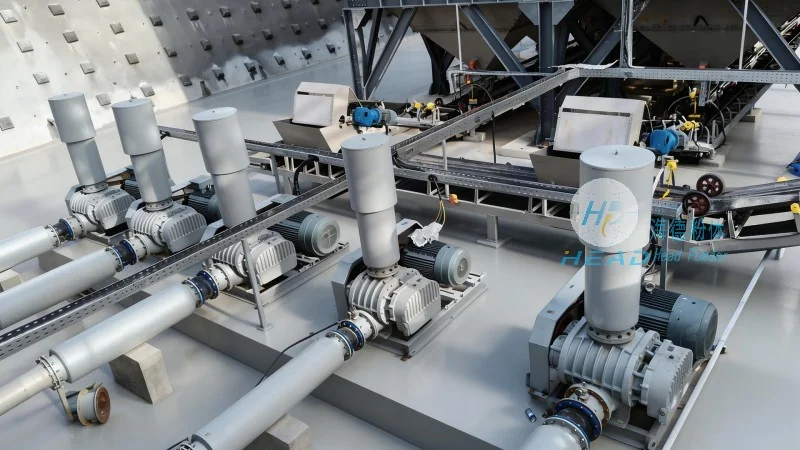
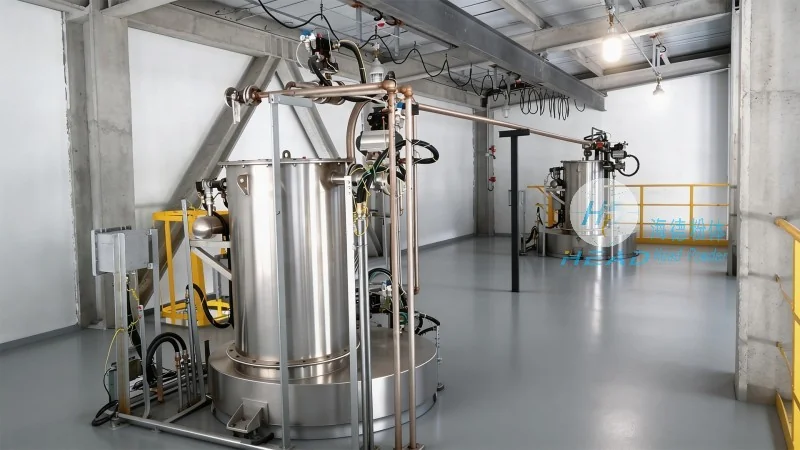
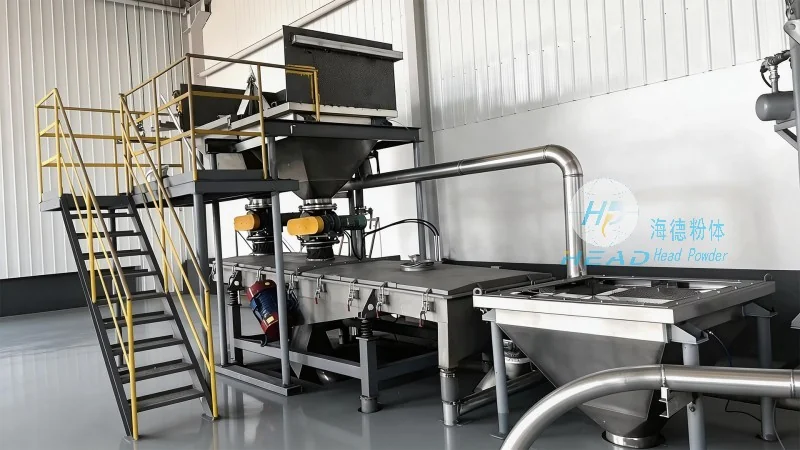
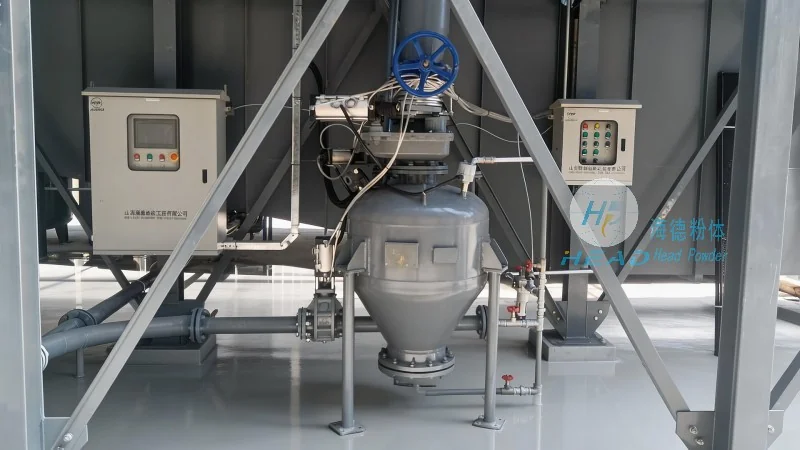
The effectiveness of any pneumatic conveying project relies heavily on the quality of the Glass Fiber Reinforced Plastic Particles Conveying System Equipment. A state-of-the-art system is built upon several critical components working in unison. The heart of the system is typically a high-efficiency air mover, such as a Roots blower or a centrifugal fan, capable of generating the precise pressure needed to move abrasive particles without causing blockages. The piping network must be constructed from durable materials, such as stainless steel or high-density polyethylene, which are resistant to the abrasion caused by glass fibers. Additionally, the system includes advanced material receivers, cyclone separators, and dust collection units. These components work together to ensure that the material is transported cleanly and that the exhaust air is filtered to meet environmental standards. Robust valves and automated control panels are also integral, allowing for precise regulation of the conveying process.
Advantages of Pneumatic Transport for FRP Materials
Implementing a pneumatic conveying system offers numerous advantages over traditional mechanical handling methods for Glass Fiber Reinforced Plastic particles. The primary benefit is the enclosed nature of the system, which virtually eliminates dust leakage. This is crucial for maintaining a safe working environment and ensuring compliance with occupational health and safety regulations. Furthermore, pneumatic conveying is highly flexible; it can transport materials over long distances and around obstacles without the need for complex intermediate transfer points. This flexibility reduces the footprint of the plant and simplifies the layout. Additionally, because the material is contained within the pipe, there is no risk of material degradation or cross-contamination, which is particularly important for maintaining the quality of the final product. The technology also allows for the easy integration of automation, enabling remote monitoring and control of the entire conveying process.
Why Partner with a Specialized Glass Fiber Reinforced Plastic Particles Pneumatic Conveying Manufacturer
p>Choosing the right partner is vital for the success of a material handling project. A dedicated Glass Fiber Reinforced Plastic Particles Pneumatic Conveying Manufacturer brings a wealth of technical expertise and industry experience to the table. Companies like Shandong Headpowder Engineering Co., Ltd. specialize in understanding the nuances of particle flow dynamics and the specific demands of industrial applications. By partnering with an experienced manufacturer, clients gain access to a team that can navigate complex engineering challenges, provide customized designs, and offer ongoing technical support. Manufacturers with a strong R&D background can also provide innovative solutions that improve energy efficiency and reduce maintenance requirements over the lifespan of the equipment. This partnership ensures that the investment in the conveying system yields a high return through reliable performance and longevity.Project Implementation and Technical Support
p>The relationship between the client and the manufacturer extends well beyond the initial sale. A professional approach to Glass Fiber Reinforced Plastic Particles Pneumatic Conveying Solution Customization includes comprehensive project management from design to installation. This involves detailed site surveys, 3D modeling, and simulation testing to predict system performance before physical construction begins. Once installed, reliable after-sales service is paramount. This includes regular maintenance schedules, availability of spare parts, and a responsive technical support team. For clients located in regions with specific industrial requirements, having a local support network can significantly reduce downtime and ensure that any operational issues are resolved swiftly. This commitment to service excellence is what sets leading manufacturers apart in the competitive landscape of bulk material handling.Contact Information
p>For businesses seeking to upgrade their material handling capabilities, Shandong Headpowder Engineering Co., Ltd. offers expert solutions tailored to your needs. We specialize in the design and manufacture of advanced systems for transporting Glass Fiber Reinforced Plastic particles. Our team is ready to provide a detailed consultation and customized proposal to meet your specific production requirements. To discuss your project or request a quote, please contact our project manager, Mr. Zhang. You may reach us via WeChat at 15662777102 or by contacting our headquarters in Shandong, China. We look forward to collaborating with you to optimize your production efficiency.
 Shandong Headpowder Engineering Co., Ltd.
 156-6277-7102(Manager Zhang)
  0531-83386006
  Zhangqiu District, Jinan City, Shandong Province, China
telephone
WeChatconsult
top