With more than 10‑year industry experience, Shandong Headpowder delivers full‑service pneumatic‑conveying systems and blowers, undertaking nationwide turn‑key powder‑handling projects.
HeadPowder, a leading enterprise in the field of powder processing technology, specializes in the design, manufacturing, and supply of advanced pneumatic conveying systems for various industrial applications. The company, based in Shandong, China, has established itself as a reliable partner for clients seeking efficient and reliable solutions for handling bulk materials like nickel sulfate. This article provides an overview of the key equipment involved in a nickel sulfate pneumatic conveying system, along with an explanation of its structural principles and operational mechanisms.
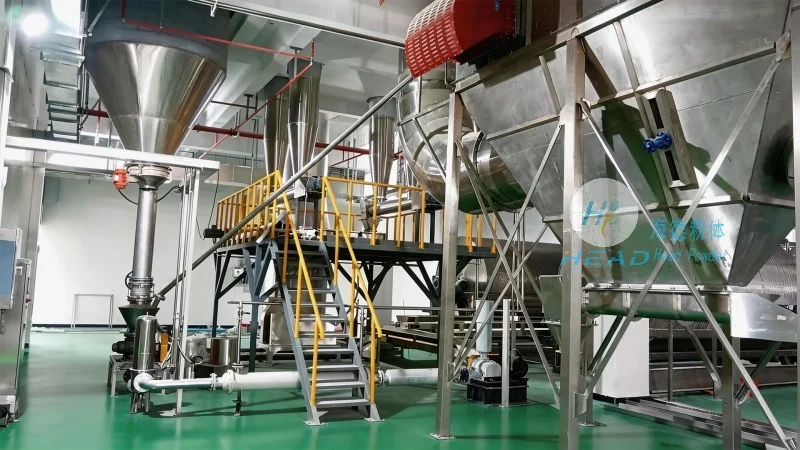
The nickel sulfate pneumatic conveying system is a sophisticated setup designed to transport nickel sulfate powder from one location to another using air as the conveying medium. The system typically consists of several core components that work in tandem to ensure smooth and efficient material transfer. These components include a hopper for material storage, a feeder to control the flow rate, a conveying line (often equipped with a venturi or other air-drafting devices), and a receiver for the discharged material. Each component plays a crucial role in maintaining the system's performance and ensuring the safe and efficient handling of the nickel sulfate powder.
The material hopper is the initial component where nickel sulfate powder is stored before it is fed into the conveying line. This container is engineered with a conical or rectangular shape to facilitate the flow of the powder and prevent clogging. Constructed from corrosion-resistant materials such as stainless steel, the hopper is designed to withstand the chemical properties of the nickel sulfate and ensure long-term durability. It is equipped with a discharge valve or a rotary valve that precisely controls the amount of material released into the feeder. This control mechanism is vital for maintaining a consistent flow rate, which is essential for the stable operation of the pneumatic conveying system.
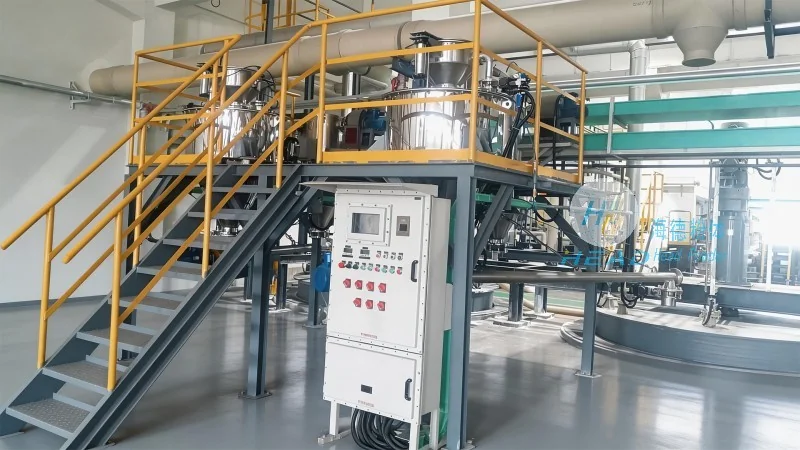
The feeder is another critical component that regulates the flow of nickel sulfate from the hopper into the conveying line. Different types of feeders are used in pneumatic conveying systems, including rotary valves, star feeders, or screw feeders. The choice of feeder depends on the characteristics of the material, such as its bulk density, flowability, and moisture content. For nickel sulfate, a rotary valve or a star feeder is commonly employed due to their ability to handle fine powders without causing blockages. The feeder is connected to the hopper via a transition section that ensures a smooth transition of the material from the hopper to the feeder. This transition is designed to minimize material degradation and prevent the formation of air pockets that could affect the conveying efficiency.
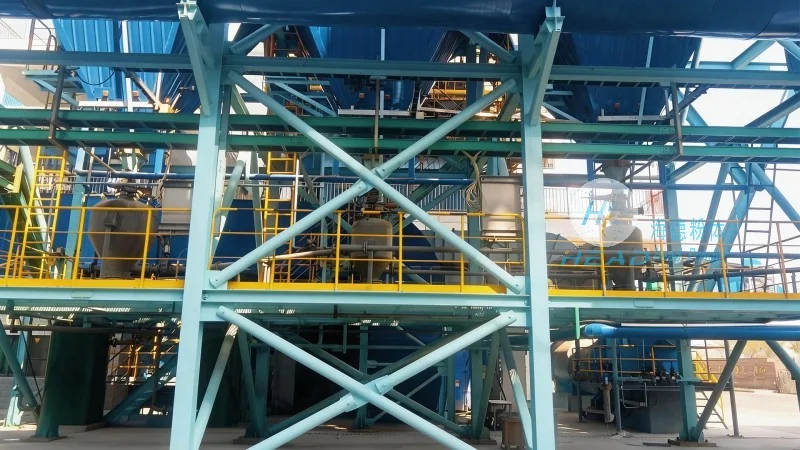
The conveying line is the central part of the pneumatic system, responsible for transporting the nickel sulfate powder through the air stream. The line is typically made of metal pipes, such as stainless steel or PVC, which are resistant to corrosion and wear. The diameter of the pipe is chosen based on the material's flow rate and the required conveying velocity. The conveying line may include additional components like a venturi or a pressure drop device to enhance the air flow and improve the conveying efficiency. The venturi is a conical section in the pipe that increases the air velocity, creating a suction effect that pulls the powder particles into the air stream. This mechanism ensures that the powder is fully entrained and transported to the receiver without any loss or degradation.
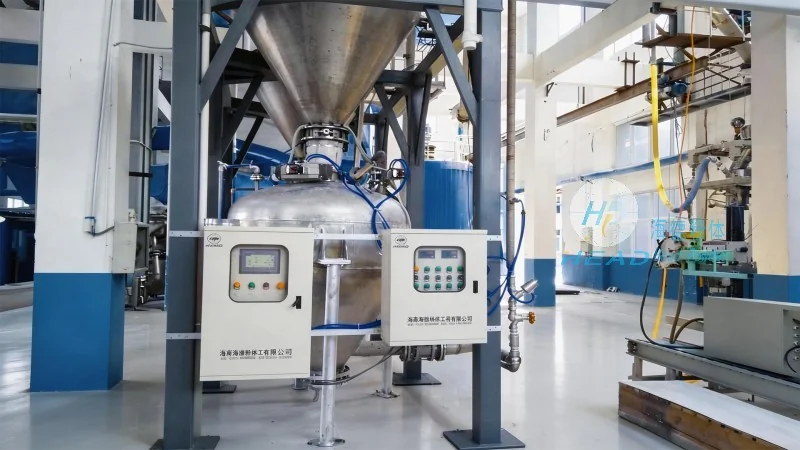
The receiver is the final component of the system where the nickel sulfate powder is discharged after being conveyed through the line. The receiver is designed to collect the material and prevent it from escaping or being contaminated. It is usually a hopper or a container with a discharge outlet that connects to the downstream process or storage area. The receiver is equipped with a vent or a filter to remove any residual air and prevent dust emissions. The design of the receiver is crucial for maintaining the quality of the material and ensuring that it is delivered in a clean and dry state. The receiver may also include a level indicator or a sensor to monitor the material level and trigger the feeder or other control systems when necessary.
The structural principles of the nickel sulfate pneumatic conveying system are based on the principles of fluid dynamics and powder handling. The system operates by creating a high-velocity air stream that entrains the powder particles and transports them through the conveying line. The key to the system's efficiency lies in the balance between the air velocity and the material's properties. If the air velocity is too low, the powder particles may not be fully entrained and could settle in the line, causing blockages. Conversely, if the air velocity is too high, the system may experience excessive energy consumption and wear on the components. The system's design must consider factors such as the material's bulk density, particle size distribution, and moisture content to determine the optimal air velocity and pressure drop.

 Shandong Headpowder Engineering Co., Ltd.
 156-6277-7102(Manager Zhang)
  0531-83386006
  Zhangqiu District, Jinan City, Shandong Province, China
telephone
WeChatconsult
top