With more than 10‑year industry experience, Shandong Headpowder delivers full‑service pneumatic‑conveying systems and blowers, undertaking nationwide turn‑key powder‑handling projects.
Hydrogen sulfide (H₂S) is a toxic and corrosive gas commonly encountered in industrial processes, particularly in the petroleum, chemical, and mining sectors. The safe and efficient handling of H₂S is critical for industrial operations, and pneumatic conveying systems offer a reliable solution for transporting this hazardous material. This article provides an overview of hydrogen sulfide pneumatic conveying systems, detailing their structural components and operational principles.
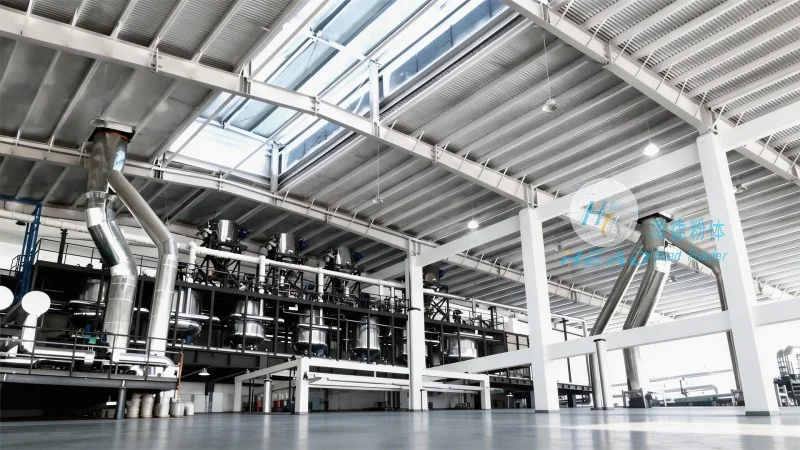
HeadPowder, a leading engineering company based in Shandong, China, specializes in the design, manufacturing, and installation of advanced pneumatic conveying solutions. With years of experience in the industry, HeadPowder has developed robust systems tailored to handle the unique challenges associated with H₂S transportation, ensuring compliance with safety regulations and optimizing operational efficiency.
The hydrogen sulfide pneumatic conveying system consists of several critical components that work in tandem to ensure safe and effective material transport. These components include:
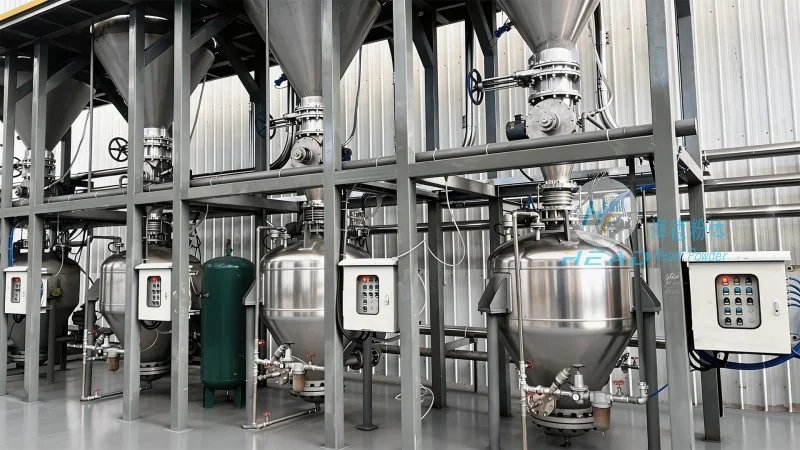
The operation of a hydrogen sulfide pneumatic conveying system involves several steps, each designed to ensure the safe and efficient transport of the hazardous material. The process typically begins with the material being fed from the hopper into the feeder. The feeder then meters the material into the pneumatic conveying pipe, where it is mixed with the air stream generated by the compressor or blower.
The air pressure created by the compressor forces the material-air mixture through the pipeline to the receiving end. At the destination, the mixture enters the separation tank, where the material is separated from the air. The separated material is collected for further processing, while the air is either recirculated or treated to remove any residual H₂S. The control system continuously monitors the pressure and flow rates, adjusting the compressor speed or feeder speed to maintain optimal performance.
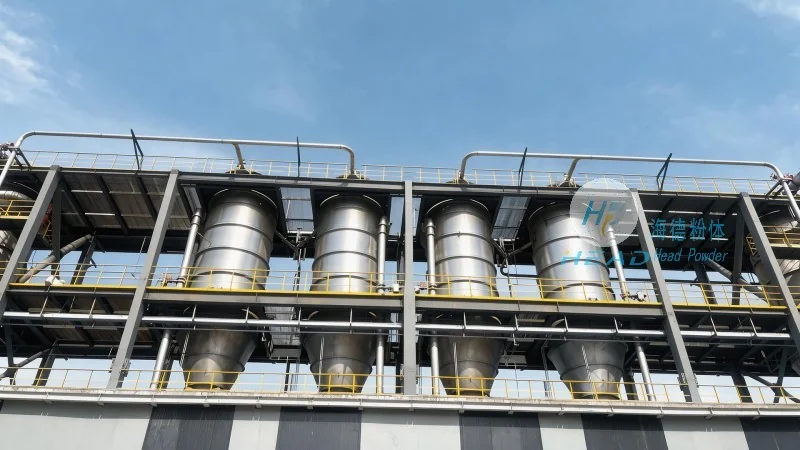
Hydrogen sulfide pneumatic conveying systems offer several advantages over traditional methods of material handling, such as mechanical conveyors or trucks. These benefits include:
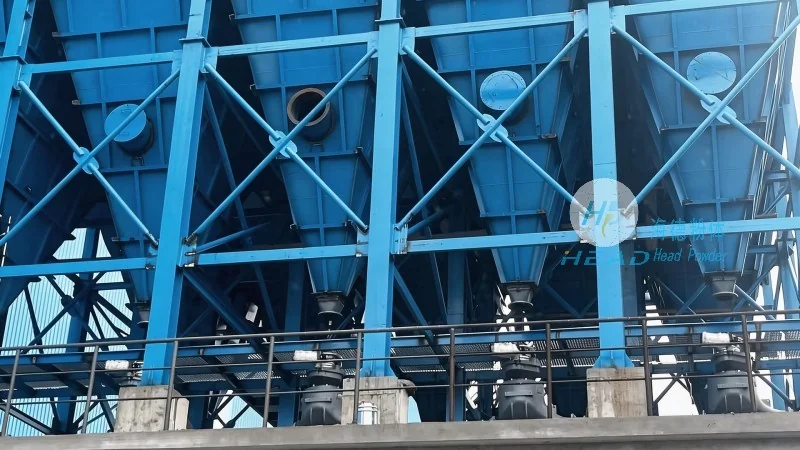
Hydrogen sulfide pneumatic conveying systems are widely used in industries where H₂S is a byproduct or raw material. Some common applications include:
Hydrogen sulfide pneumatic conveying systems are a critical component of industrial operations that handle toxic and corrosive gases. The systems, designed and manufactured by companies like Shandong HeadPowder Engineering Co., Ltd., offer a safe, efficient, and reliable solution for transporting H₂S. By understanding the structural components and operational principles of these systems, industrial facilities can ensure compliance with safety regulations and optimize their material handling processes.

 Shandong Headpowder Engineering Co., Ltd.
 156-6277-7102(Manager Zhang)
  0531-83386006
  Zhangqiu District, Jinan City, Shandong Province, China
telephone
WeChatconsult
top