With more than 10‑year industry experience, Shandong Headpowder delivers full‑service pneumatic‑conveying systems and blowers, undertaking nationwide turn‑key powder‑handling projects.
Shandong HeadPowder Engineering Co., Ltd., commonly known as headpowder, specializes in the design, manufacturing, and installation of advanced pneumatic conveying systems tailored for the food and chemical industries. The company is headquartered in Shandong, China, and has built a reputation for delivering efficient and reliable solutions for material handling challenges, particularly in the protein powder sector. This article provides an in-depth look at the operation process and working principle of a typical protein powder material pneumatic conveying line, highlighting the key components, operational steps, and technical considerations that ensure optimal performance.
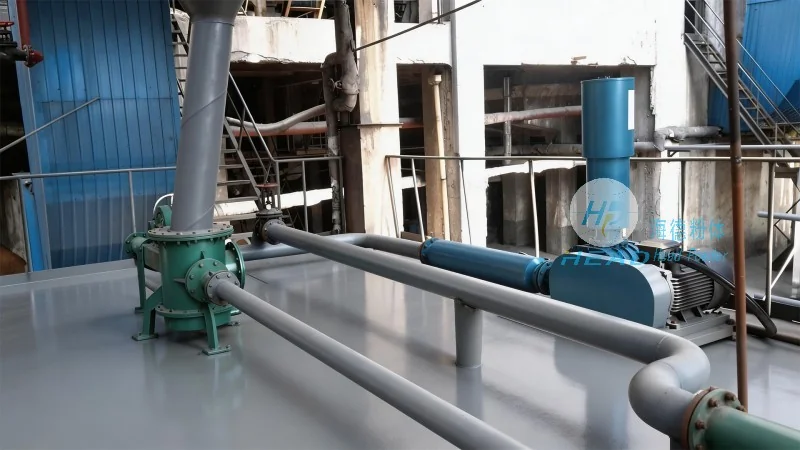
Pneumatic conveying systems are widely used in the protein powder industry to transport bulk materials from storage silos to processing equipment, packaging lines, or other destinations. These systems offer several advantages over traditional mechanical conveying methods, including reduced product contamination, lower maintenance requirements, and the ability to handle materials that are dusty, hygroscopic, or sensitive to temperature changes. For protein powders, which are often light, fine, and prone to caking, a well-designed pneumatic conveying line is essential to maintain product quality and ensure smooth production flow.
A typical protein powder pneumatic conveying line consists of several critical components that work in concert to move material through the system. These components include a hopper or storage silo for material storage, a feeder to control the flow rate of the material, a conveying line (often made of stainless steel or other corrosion-resistant materials to prevent contamination), a compressor or blower to generate the air pressure, a filter system to capture and collect the conveyed material, and a discharge unit to deliver the material to its final destination. Each component plays a vital role in the overall efficiency and effectiveness of the system.
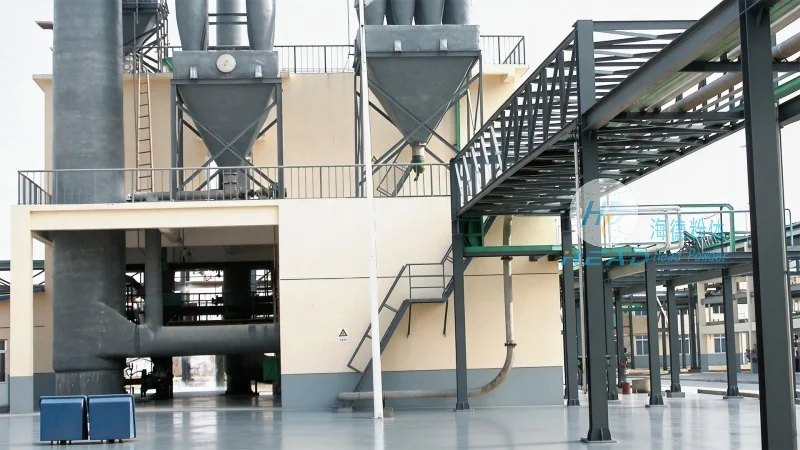
The fundamental principle of pneumatic conveying is the use of compressed air to create a flow that lifts and transports the material particles through the conveying line. In a positive pressure system, the compressor pushes air into the conveying line, creating a pressure that forces the material to move along with the air stream. The material is then separated from the air at the discharge point, typically through a cyclone separator or a filter, and the air is either recirculated or vented to the atmosphere. This process allows for the continuous and controlled movement of protein powder without the need for mechanical components that could introduce contaminants or cause product degradation.
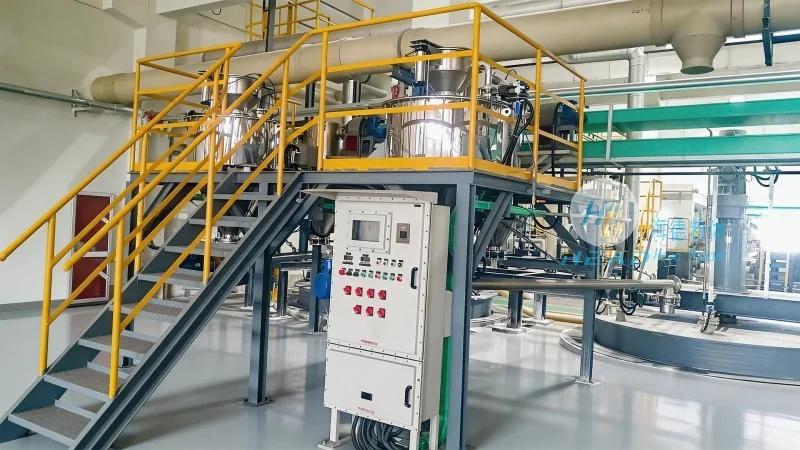
The operation of a protein powder pneumatic conveying line involves several sequential steps that ensure the system runs smoothly and efficiently. The process typically begins with the loading of the protein powder into the storage silo or hopper. The feeder then regulates the flow rate of the material, ensuring a consistent and controlled discharge into the conveying line. The compressor then starts, generating the necessary air pressure to move the material. As the air flows through the line, it lifts the protein powder particles and carries them to the discharge point. The filter system captures the material, preventing it from being released into the environment, while the clean air is either recirculated back into the system or vented. The material is then collected in a receiving hopper or directly into the processing equipment. This cycle repeats continuously as long as the system is in operation, with the control system monitoring and adjusting the flow rates and air pressure as needed to maintain optimal performance.
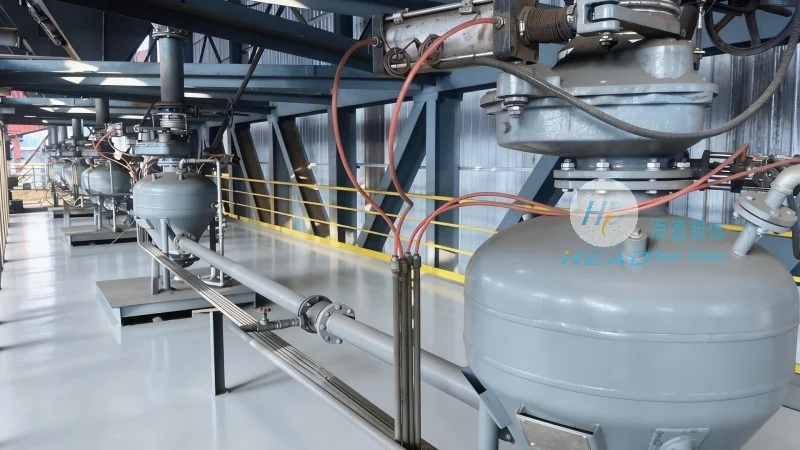
Several technical factors must be considered to ensure the long-term reliability and efficiency of a protein powder pneumatic conveying line. First, the material characteristics of the protein powder, such as its particle size, density, and hygroscopicity, must be carefully evaluated to select the appropriate conveying system and component materials. For example, fine protein powders may require a higher air velocity to prevent clogging, while hygroscopic powders may need additional measures to prevent moisture absorption. Second, the system design must account for the potential for material buildup or clogging, which can be mitigated through the use of appropriate feeder designs, regular cleaning procedures, and the incorporation of air knives or other cleaning mechanisms. Third, the system must be constructed from materials that are compatible with the protein powder and do not introduce contaminants, such as stainless steel or food-grade plastics. Finally, the control system must be robust and user-friendly, allowing operators to monitor the system performance and make adjustments as needed to maintain optimal operation.
Implementing a pneumatic conveying line for protein powders offers several significant benefits that contribute to improved production efficiency and product quality. First, the system reduces the risk of product contamination by eliminating the need for mechanical components that come into direct contact with the material. This is particularly important for protein powders, which are often used in food applications where purity is critical. Second, the system improves production flow by providing a continuous and controlled movement of material, reducing downtime and increasing throughput. Third, the system is more energy-efficient than traditional mechanical conveying methods, as the air can be recirculated and reused, reducing energy consumption. Fourth, the system is easier to maintain and clean, as the components are designed to be accessible and can be easily disassembled for cleaning. Finally, the system is more flexible, allowing for easy expansion or modification as production needs change.

 Shandong Headpowder Engineering Co., Ltd.
 156-6277-7102(Manager Zhang)
  0531-83386006
  Zhangqiu District, Jinan City, Shandong Province, China
telephone
WeChatconsult
top