With more than 10‑year industry experience, Shandong Headpowder delivers full‑service pneumatic‑conveying systems and blowers, undertaking nationwide turn‑key powder‑handling projects.
This section introduces the fundamental concept of pneumatic conveying systems, specifically designed for handling coking coal. These systems are engineered to transport bulk materials like coking coal through a pipeline using air or gas as the conveying medium. The technology offers a reliable and efficient method for moving coking coal from storage or processing areas to various industrial applications, such as steel production, where it serves as a critical raw material.
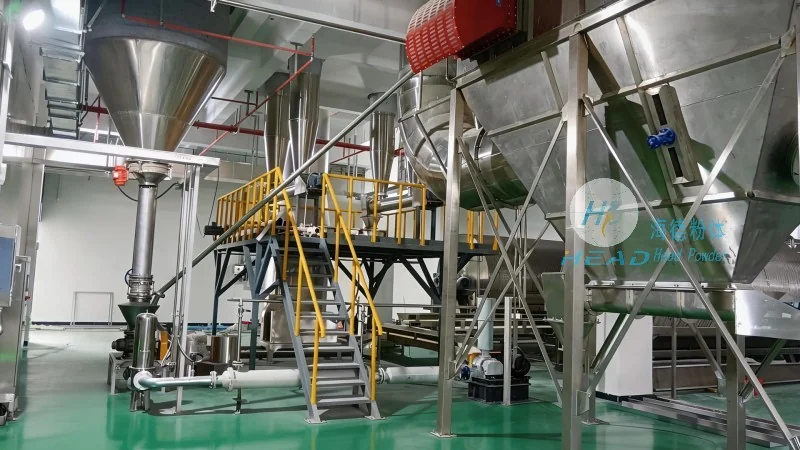
HeadPowder Engineering, a leading provider in the field of material handling solutions, specializes in designing, manufacturing, and implementing advanced pneumatic conveying systems. With a strong presence in Shandong, China, the company has established itself as a trusted partner for industries requiring efficient and safe transportation of bulk materials. Their expertise lies in customizing systems to meet the unique demands of clients, ensuring optimal performance and durability in demanding operational environments.
The core principle of a coking coal pneumatic conveying line is the use of differential pressure to move material through a pipeline. The system typically operates by creating a pressure differential between the inlet and outlet of the conveying line. Air or gas is introduced into the system, often at high velocity, to generate the necessary force to lift and transport the coking coal particles. The material is suspended in the air stream and carried along the pipeline until it reaches the discharge point. This process eliminates the need for mechanical components like belts or buckets, reducing maintenance requirements and increasing operational efficiency.
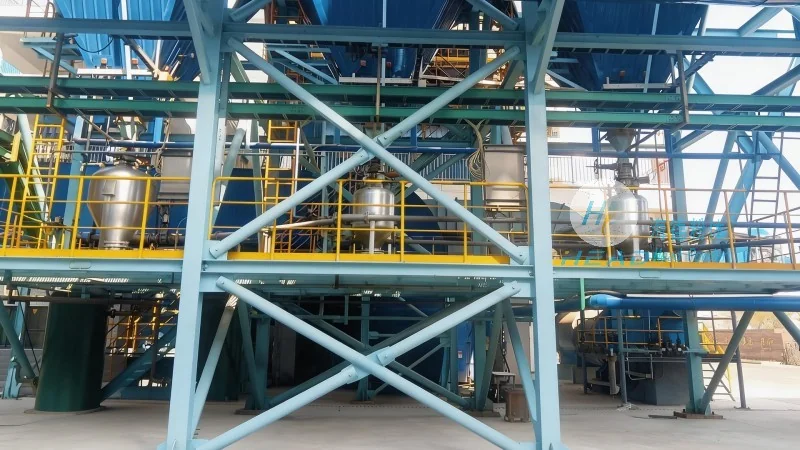
The operation of a coking coal pneumatic conveying line involves several sequential steps that ensure smooth and continuous material transport. First, the coking coal is fed into the system, usually from a storage hopper or silo. The feeder mechanism, such as a rotary valve or a screw feeder, controls the flow rate of the material into the conveying line. Simultaneously, the air compressor or blower generates the required air pressure, which is then introduced into the pipeline. The air and coal mixture travels through the pipeline, with the air velocity maintained at a level sufficient to keep the coal particles in suspension. At the discharge end, the air is separated from the coal, often using a cyclone separator or a filter, and the coal is deposited into the receiving container. The air is then recycled back to the compressor, completing the cycle.
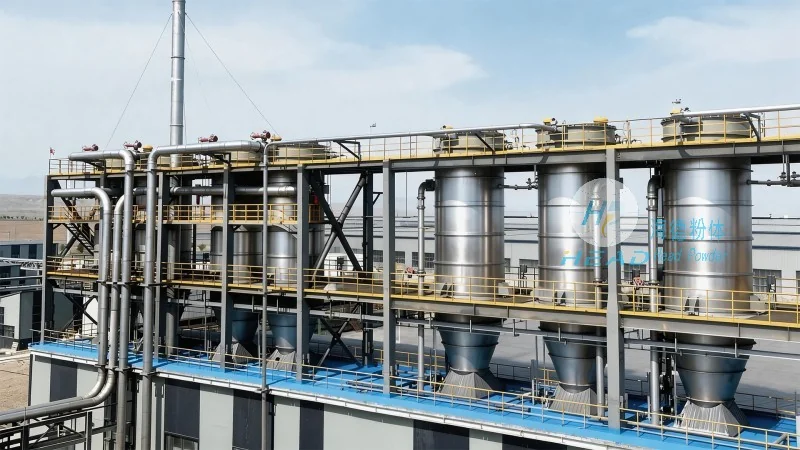
Several critical components work in tandem to ensure the efficient operation of a coking coal pneumatic conveying line. The air compressor or blower is responsible for generating the necessary pressure and airflow to move the material. The feeder system, including the rotary valve or screw feeder, regulates the input of coking coal into the system, preventing overloading and maintaining consistent flow rates. The pipeline itself is typically made of corrosion-resistant materials like stainless steel or PVC to withstand the abrasive nature of coking coal and the effects of air pressure. The discharge system, such as a cyclone separator or a filter, separates the coal from the air and directs the coal to the target location. Additionally, the control system monitors and adjusts the pressure, flow rate, and other parameters to optimize performance and prevent system failures.
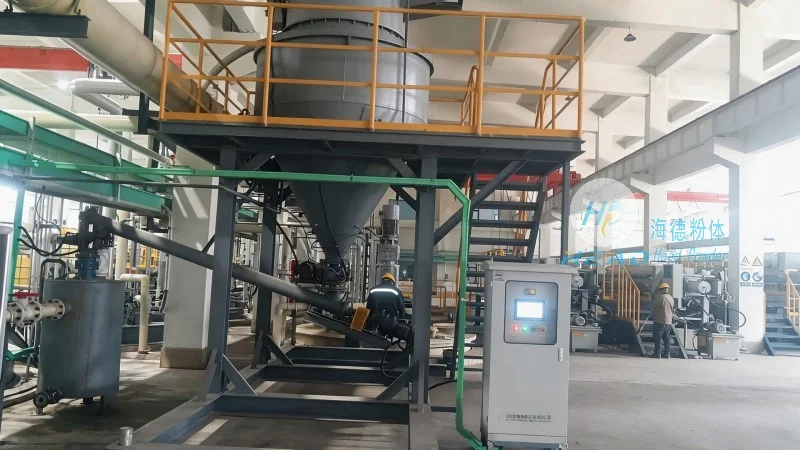
Pneumatic conveying systems offer numerous advantages when handling coking coal. One of the primary benefits is the ability to transport material over long distances without the need for intermediate transfer points, reducing the risk of material spillage and contamination. The system is also highly flexible, allowing for changes in the conveying route or capacity without major modifications. Furthermore, pneumatic conveying is a clean and dust-free method, which is crucial for maintaining environmental standards and worker safety in industrial settings. The lack of mechanical components also minimizes maintenance requirements and downtime, leading to increased operational efficiency and cost savings over time.
In conclusion, the operation process and working principle of coking coal pneumatic conveying lines are sophisticated yet efficient systems designed to meet the demands of modern industrial applications. With the expertise of companies like Shandong HeadPowder Engineering Co., Ltd., these systems provide reliable and cost-effective solutions for transporting coking coal. By understanding the key components and operation steps, industries can leverage this technology to enhance their material handling processes and improve overall productivity.

 Shandong Headpowder Engineering Co., Ltd.
 156-6277-7102(Manager Zhang)
  0531-83386006
  Zhangqiu District, Jinan City, Shandong Province, China
telephone
WeChatconsult
top