With more than 10‑year industry experience, Shandong Headpowder delivers full‑service pneumatic‑conveying systems and blowers, undertaking nationwide turn‑key powder‑handling projects.
HeadPowder, a leading engineering company based in Shandong, China, specializes in the design, manufacturing, and installation of advanced pneumatic conveying systems tailored for handling dry sand materials. This article provides a comprehensive overview of the operation process and working principles of such systems, highlighting their efficiency, reliability, and industrial applications.
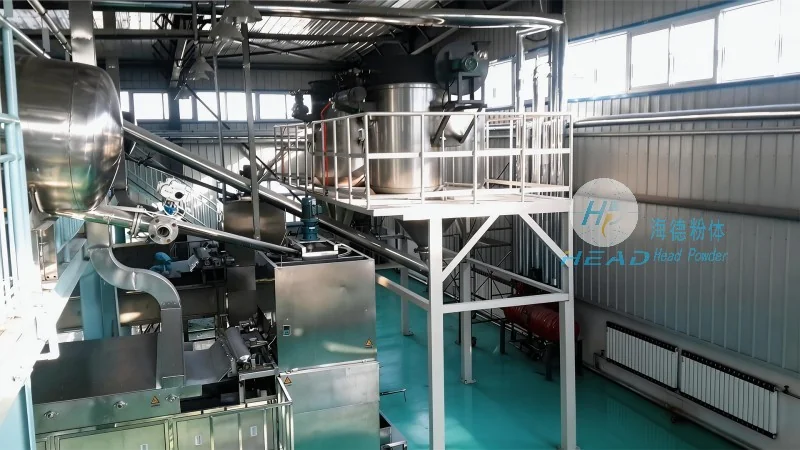
Pneumatic conveying systems are widely used in various industries to transport dry bulk materials like sand, powders, and granules through a pipeline using air or gas as the conveying medium. These systems offer a dust-free, continuous, and efficient method of material transport compared to traditional methods such as belt conveyors or bucket elevators. The system's design and operation are critical to ensure optimal performance, especially when dealing with abrasive or fine dry sand materials.
A typical dry sand pneumatic conveying system consists of several essential components that work in tandem to facilitate material transport. These components include the material feed hopper, air compressor or blower, conveying pipeline, control valves, and a receiving hopper or silo. Each component plays a vital role in the overall system's functionality and efficiency.
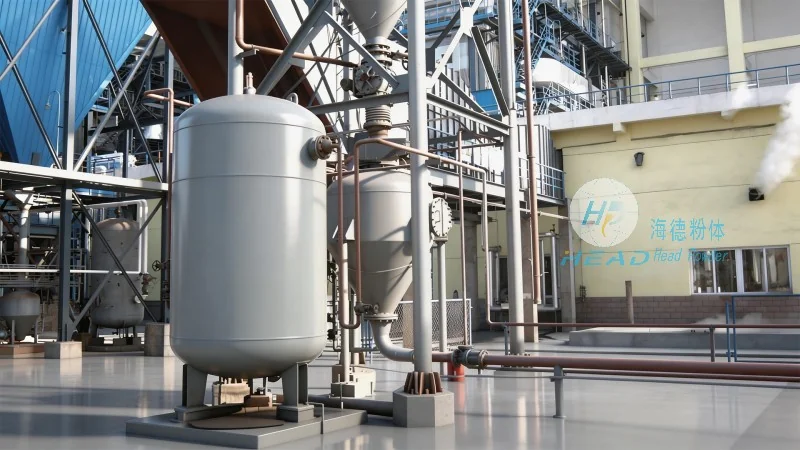
The operation of a dry sand pneumatic conveying system is based on the principle of transporting solid particles suspended in a stream of air or gas. The process begins with the material being fed into the system from the feed hopper. The air compressor then generates a high-pressure air flow that is directed into the conveying pipeline. As the air flows through the pipeline, it lifts and suspends the dry sand particles, creating a dense phase or dilute phase conveying condition depending on the system design and material characteristics.
The operation process of a dry sand pneumatic conveying system can be broken down into several key steps:
Pneumatic conveying systems offer several advantages when handling dry sand materials, making them a preferred choice in many industrial applications:
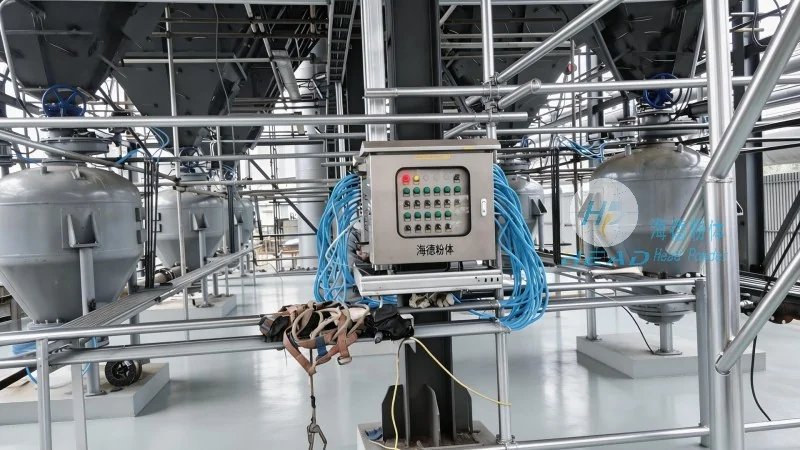
Dry sand pneumatic conveying systems are widely used in various industries, including construction, mining, and manufacturing. In the construction industry, they are used to transport sand from storage silos to mixing plants or job sites. In the mining sector, they help in transporting sand from processing facilities to storage areas. Additionally, in manufacturing processes, such as concrete production or glass manufacturing, these systems ensure efficient material handling and quality control.
HeadPowder's expertise in designing and implementing dry sand pneumatic conveying systems ensures that industrial operations can achieve high efficiency, reliability, and safety in material transport. By understanding the operation process and working principles of these systems, industries can optimize their material handling processes, reduce costs, and enhance overall productivity. The company's commitment to quality and innovation makes it a trusted partner for businesses seeking advanced pneumatic conveying solutions.

 Shandong Headpowder Engineering Co., Ltd.
 156-6277-7102(Manager Zhang)
  0531-83386006
  Zhangqiu District, Jinan City, Shandong Province, China
telephone
WeChatconsult
top