With more than 10‑year industry experience, Shandong Headpowder delivers full‑service pneumatic‑conveying systems and blowers, undertaking nationwide turn‑key powder‑handling projects.
For industrial applications involving the handling of dry ash materials, the pneumatic conveying system is a critical technology that ensures efficient and reliable material transport. This system is designed to move dry ash from one location to another using air as the conveying medium, eliminating the need for mechanical components like belts or buckets that are common in traditional bulk material handling. The operation and working principle of such a system are essential for understanding its effectiveness and suitability for various industrial processes.
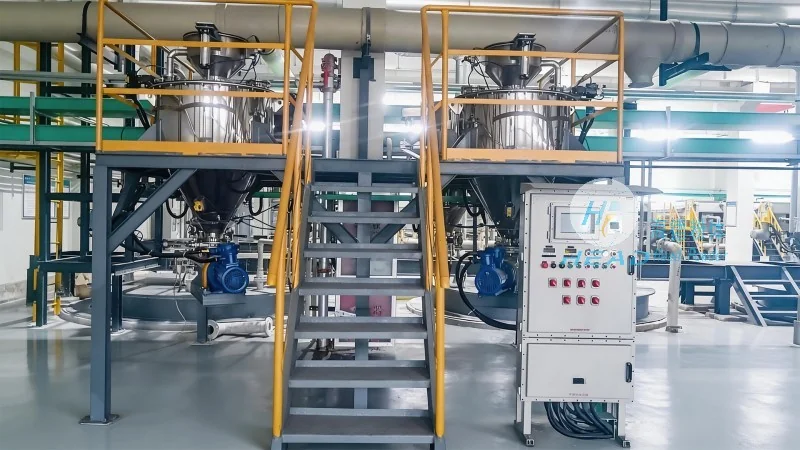
HeadPowder, a leading engineering company based in Shandong, China, specializes in the design, manufacturing, and installation of advanced pneumatic conveying systems for dry ash applications. The company's expertise lies in developing customized solutions that meet the specific requirements of industrial clients, ensuring optimal performance and durability. The dry ash material pneumatic conveying system operates by utilizing a combination of air pressure and vacuum to transport dry ash particles through a network of pipes and ducts. This method is particularly effective for handling fine or powdery materials that are prone to dusting or caking when handled mechanically.
The dry ash pneumatic conveying system consists of several key components that work in tandem to facilitate material transport. These components include the material feeder, which introduces dry ash into the system; the air compressor or vacuum pump, which provides the necessary air pressure or vacuum; the conveying pipes, which transport the material and air mixture; and the separation or collection equipment, which removes the dry ash from the air stream. Each component plays a crucial role in ensuring the system operates efficiently and safely. The material feeder is typically designed to handle dry ash with consistent flow rates, preventing blockages and ensuring a steady supply of material. The air compressor or vacuum pump is responsible for generating the pressure or vacuum required to move the dry ash particles through the pipes. The conveying pipes are made of materials that are resistant to corrosion and abrasion, such as stainless steel or high-density polyethylene, to withstand the abrasive nature of dry ash particles. The separation equipment, often a cyclone or bag filter, effectively separates the dry ash from the air, allowing the air to be recirculated or discharged while the ash is collected for further use or disposal.
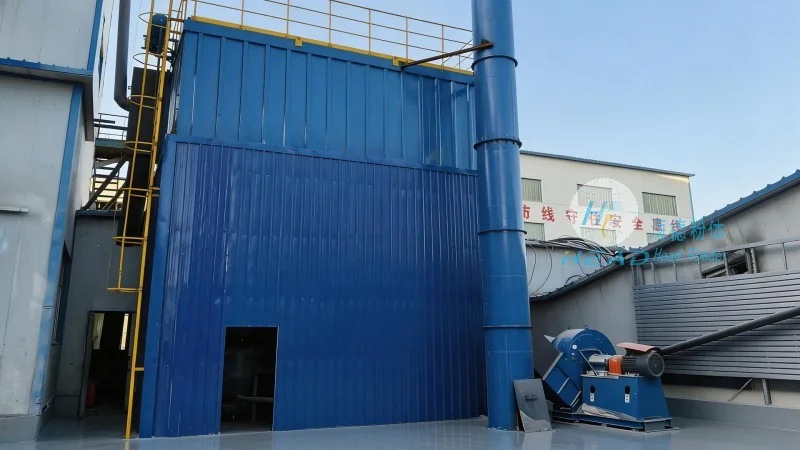
The operation process of the dry ash pneumatic conveying system begins with the feeding of dry ash into the material feeder. The feeder then introduces the dry ash into the conveying line, where it is mixed with the air from the compressor or vacuum pump. The air flow carries the dry ash particles through the pipes, maintaining a consistent velocity to prevent particle settling or blockages. As the mixture travels through the system, it may pass through various sections, such as bends or expansion chambers, which are designed to minimize pressure loss and maintain the flow of material. The separation equipment at the end of the conveying line removes the dry ash from the air stream, collecting it in a hopper or container. The air, now free of ash particles, is either recirculated back to the system or discharged to the atmosphere, depending on the system design and environmental regulations. The entire process is controlled by a system of valves, sensors, and control panels that monitor pressure, flow rate, and material level, ensuring the system operates within safe and efficient parameters.
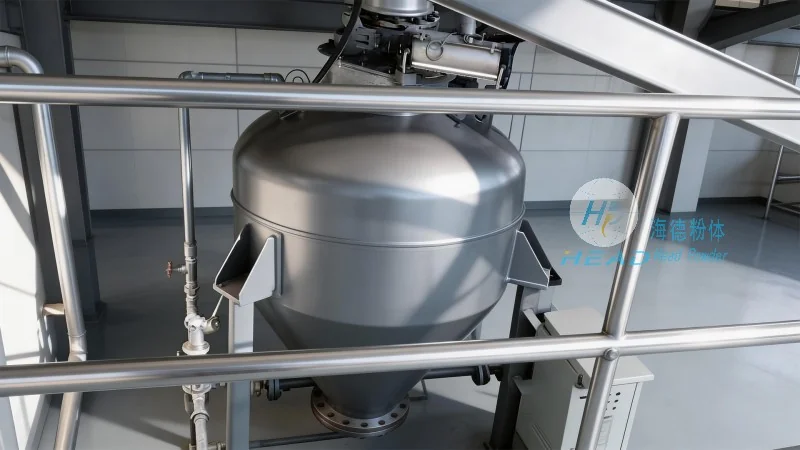
The working principle of the dry ash pneumatic conveying system is based on the principles of fluid dynamics and particle transport. When air is introduced into the conveying line at a high velocity, it creates a low-pressure zone that draws the dry ash particles into the air stream. The air flow then carries the particles through the system, maintaining a uniform distribution of material throughout the pipes. The velocity of the air is critical to the system's performance; it must be high enough to overcome the gravitational forces acting on the particles and prevent them from settling, but not so high as to cause excessive wear on the pipes or components. The system can operate in either positive pressure or negative pressure modes. In positive pressure mode, the air compressor pushes air into the system, creating a pressure higher than the ambient air pressure, which forces the dry ash through the pipes. In negative pressure mode, the vacuum pump creates a low-pressure zone that draws the air and ash mixture into the system, pulling the material from the source location. The choice between positive and negative pressure depends on the application, with positive pressure being more common for long-distance or high-capacity conveying, and negative pressure for short-distance or low-capacity applications.
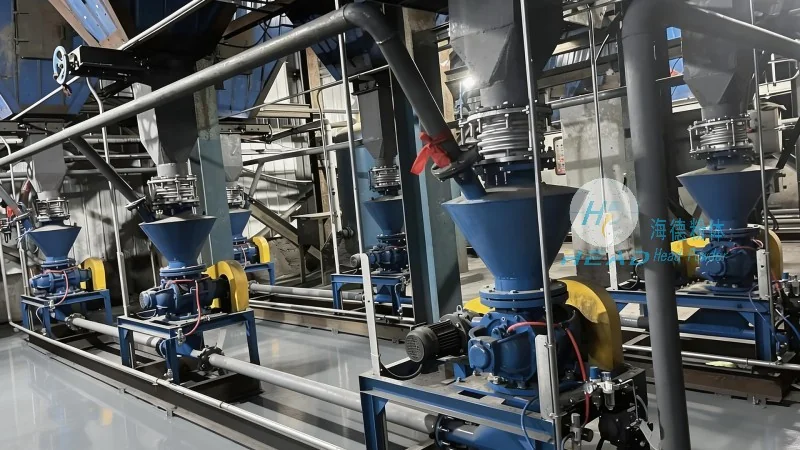
Compared to traditional mechanical conveying methods, dry ash pneumatic conveying systems offer several advantages that make them ideal for industrial applications. One of the primary advantages is the ability to handle fine or powdery materials without the risk of dusting or caking, which can occur with mechanical systems. The system also provides a closed-loop operation, reducing the risk of dust emissions and improving safety in the workplace. Additionally, the system is more flexible and adaptable to changes in material flow rates or process requirements, as it can be easily adjusted by modifying the air pressure or flow rate. The low maintenance requirements of the system, due to the absence of moving parts in the conveying line, also contribute to its cost-effectiveness. Furthermore, the system can be integrated with other industrial processes, such as dust collection or material processing, to create a more efficient and streamlined operation.
Dry ash pneumatic conveying systems are widely used in various industrial sectors that handle dry ash materials. These include power plants, where the ash generated from coal combustion is transported from the boiler to storage facilities; cement and concrete plants, where ash is used as a supplementary cementitious material; and waste management facilities, where ash from incineration processes is transported for disposal or recycling. The system is also used in chemical and pharmaceutical industries, where fine powders are transported between processing units. In each of these applications, the dry ash pneumatic conveying system provides an efficient and reliable method for material transport, ensuring that the ash is handled safely and effectively. The system's ability to handle high volumes of material and its flexibility in adapting to different process requirements make it a preferred choice for industrial clients.

 Shandong Headpowder Engineering Co., Ltd.
 156-6277-7102(Manager Zhang)
  0531-83386006
  Zhangqiu District, Jinan City, Shandong Province, China
telephone
WeChatconsult
top