With more than 10‑year industry experience, Shandong Headpowder delivers full‑service pneumatic‑conveying systems and blowers, undertaking nationwide turn‑key powder‑handling projects.
For industrial and municipal applications, the efficient and reliable transport of dry sludge materials is crucial. Pneumatic conveying systems offer a versatile solution that minimizes environmental impact while ensuring operational efficiency. This article explores the operation process and working principles of such systems, highlighting their application in handling dry sludge materials and the technical aspects that contribute to their effectiveness.
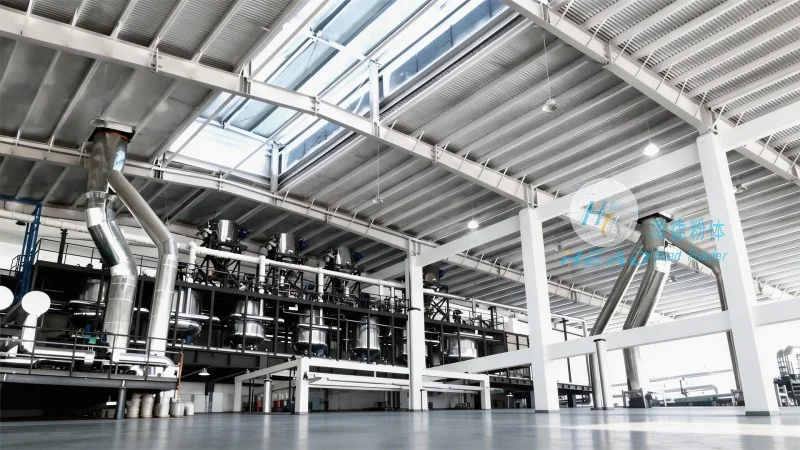
The pneumatic conveying system for dry sludge materials typically consists of several key components that work in tandem to facilitate material transport. These include a material feed hopper, a conveying pipeline, a pressure or vacuum source (such as a blower or vacuum pump), and a discharge unit. Each component plays a critical role in the overall operation, ensuring that dry sludge is moved from the source to the destination without loss or degradation.
The operation process of a dry sludge pneumatic conveying system involves several sequential steps. First, the dry sludge is fed into the material hopper from the source location. The hopper is designed to maintain a consistent material level, ensuring a steady supply to the conveying system. Next, the conveying medium—usually air—is introduced into the pipeline through the pressure or vacuum source. The air flow creates a pressure differential that propels the dry sludge particles through the pipeline. As the sludge travels, it is suspended and transported by the air stream, moving from the inlet to the discharge point. The discharge unit then separates the sludge from the air, allowing the material to be deposited at the desired location. This process is continuous and can be adjusted to handle varying volumes of dry sludge, making it suitable for both small-scale and large-scale applications.
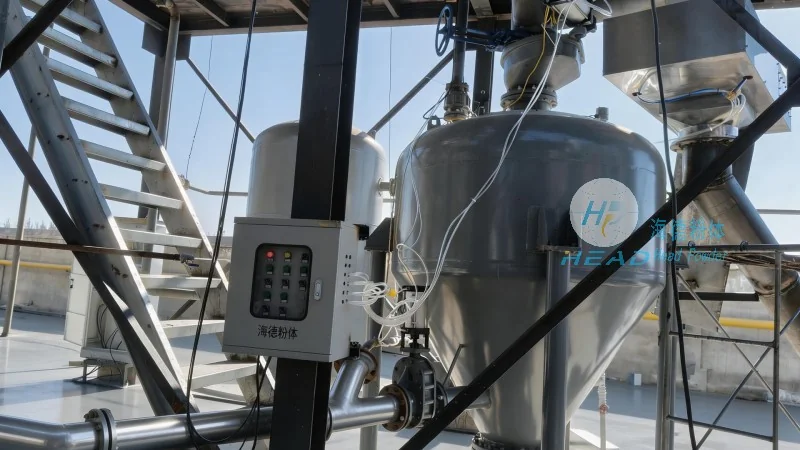
The working principle of pneumatic conveying for dry sludge relies on the interaction between the conveying medium (air) and the dry sludge particles. The system can operate under either positive pressure (where air is forced into the pipeline) or negative pressure (where air is drawn out). In positive pressure systems, a blower supplies compressed air, creating a pressure higher than the ambient air, which pushes the sludge through the pipeline. In negative pressure systems, a vacuum pump creates a lower pressure than the ambient air, pulling the sludge into the pipeline. The key to effective conveying is achieving the right air velocity and pressure to suspend the dry sludge particles without causing excessive wear on the pipeline or equipment. The suspension of particles is critical because it prevents blockages and ensures smooth transport. The design of the pipeline, including its diameter and length, is optimized to maintain the required air velocity for consistent suspension and transport.
Pneumatic conveying systems offer several advantages when handling dry sludge materials. One of the primary benefits is the ability to transport materials over long distances without the need for mechanical components like belts or buckets. This reduces maintenance costs and minimizes the risk of material contamination. Additionally, the system is enclosed, which helps contain dust and odors, improving safety and environmental compliance. The flexibility of pneumatic conveying allows for easy integration with existing industrial processes, and it can handle a wide range of dry sludge characteristics, including varying particle sizes and moisture content. These advantages make pneumatic conveying an attractive solution for many applications, particularly in municipal and industrial waste management.
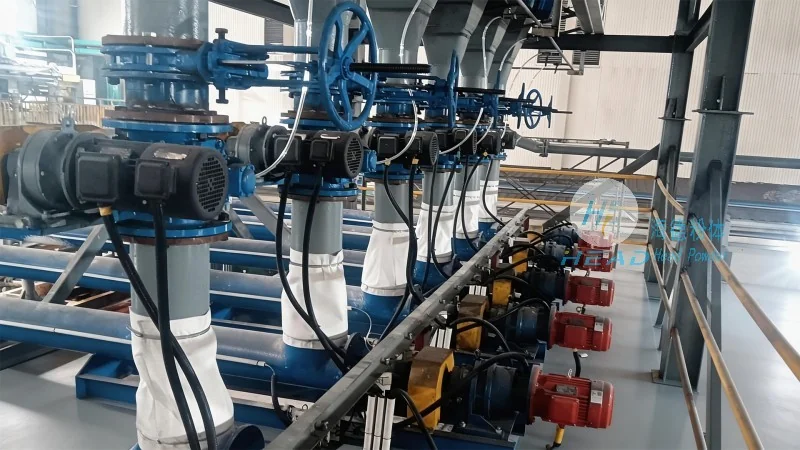
Shandong HeadPowder Engineering Co., Ltd. has extensive experience in designing and implementing pneumatic conveying systems for dry sludge materials. The company's expertise lies in tailoring systems to meet specific customer requirements, ensuring optimal performance and efficiency. For instance, a municipal wastewater treatment plant in China utilized a headpowder-designed pneumatic conveying system to transport dry sludge from the dewatering unit to the storage facility. The system successfully handled the high volume of sludge, maintaining consistent transport rates and minimizing downtime. Another application involved an industrial facility that needed to transport dry sludge from a processing unit to a disposal site. The headpowder system was customized to handle the specific particle size and moisture content of the sludge, achieving reliable and continuous operation. These case studies demonstrate the effectiveness of pneumatic conveying systems in real-world applications and the value of partnering with a specialized engineering company like Shandong HeadPowder Engineering Co., Ltd.
In conclusion, pneumatic conveying systems provide a highly effective and efficient method for transporting dry sludge materials. The operation process, which involves material feeding, air introduction, and discharge, is straightforward yet requires precise control of air flow and pressure. The working principle, based on air suspension and pressure differentials, ensures reliable transport while minimizing environmental impact. The advantages of this technology, including reduced maintenance, enclosed operation, and flexibility, make it a preferred choice for many industries. Shandong HeadPowder Engineering Co., Ltd. plays a key role in advancing this technology, providing customized solutions that meet the unique needs of customers. As the demand for efficient waste management solutions grows, pneumatic conveying will continue to be a vital component in handling dry sludge materials, contributing to sustainable and effective industrial and municipal operations.

 Shandong Headpowder Engineering Co., Ltd.
 156-6277-7102(Manager Zhang)
  0531-83386006
  Zhangqiu District, Jinan City, Shandong Province, China
telephone
WeChatconsult
top