With more than 10‑year industry experience, Shandong Headpowder delivers full‑service pneumatic‑conveying systems and blowers, undertaking nationwide turn‑key powder‑handling projects.
Biomass material pneumatic conveying is a key technology in the handling and transportation of biomass resources. This method utilizes air as the conveying medium to transport bulk materials, such as wood chips, straw, and other organic materials, from one location to another. The technology is widely applied in biomass power plants, biofuel production facilities, and other industrial processes where efficient material transport is essential. The process not only enhances operational efficiency but also reduces the need for traditional mechanical conveyors, thereby lowering maintenance costs and improving safety in material handling operations.
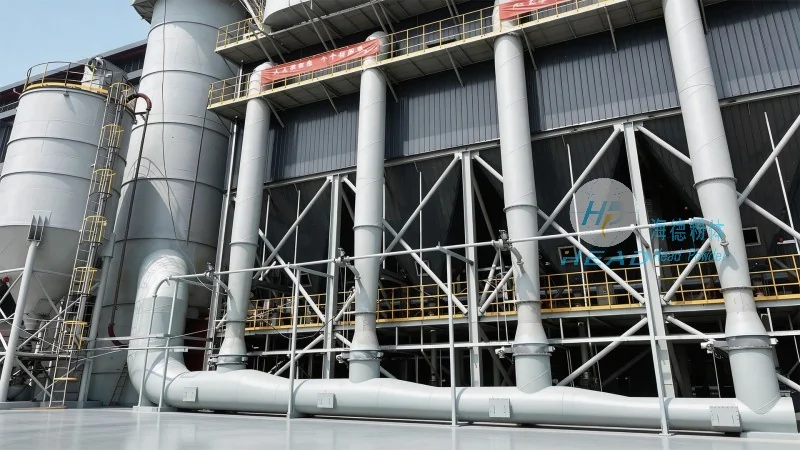
The core working principle of pneumatic conveying systems for biomass materials involves the use of compressed air to create a flow that moves the material particles. There are two main types of pneumatic conveying: pressure conveying and suction conveying. In pressure conveying, a positive pressure is maintained in the conveying line, typically using a blower or compressor, to push the material forward. The material is fed into the system through a hopper or feeder, and the air flow carries the particles along the pipeline. In suction conveying, a vacuum is created at the receiving end, drawing the material through the line. For biomass materials, which often have varying particle sizes and moisture content, the system is designed to handle these characteristics effectively, ensuring stable and reliable transport.
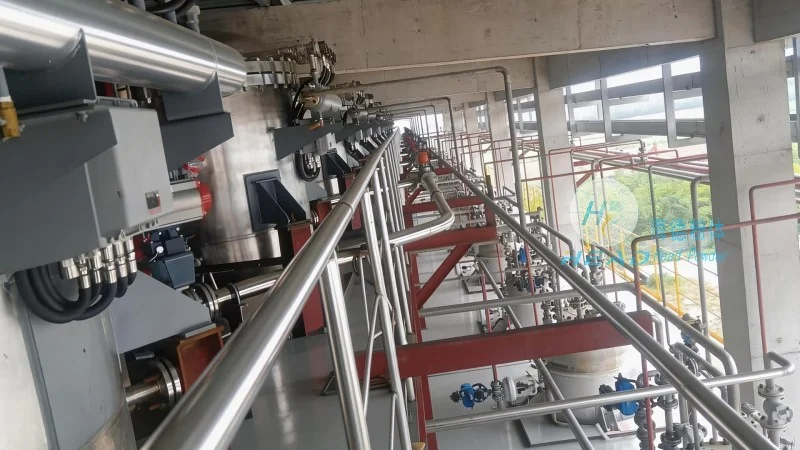
A typical pneumatic conveying system for biomass materials consists of several critical components. The main components include a material feeder, a blower or compressor, a conveying pipeline, a control system, and a receiver or discharge unit. The material feeder is responsible for feeding the biomass material into the system at a controlled rate, preventing blockages and ensuring consistent flow. The blower or compressor provides the necessary air pressure or vacuum to move the material. The conveying pipeline is designed to withstand the pressure and temperature conditions, with appropriate diameters and materials to minimize friction and material degradation. The control system monitors and regulates the air flow, pressure, and material feed rate, ensuring optimal operation. The receiver or discharge unit collects the material at the end of the conveying line, with features such as a dust collector to handle any airborne particles and prevent environmental contamination.
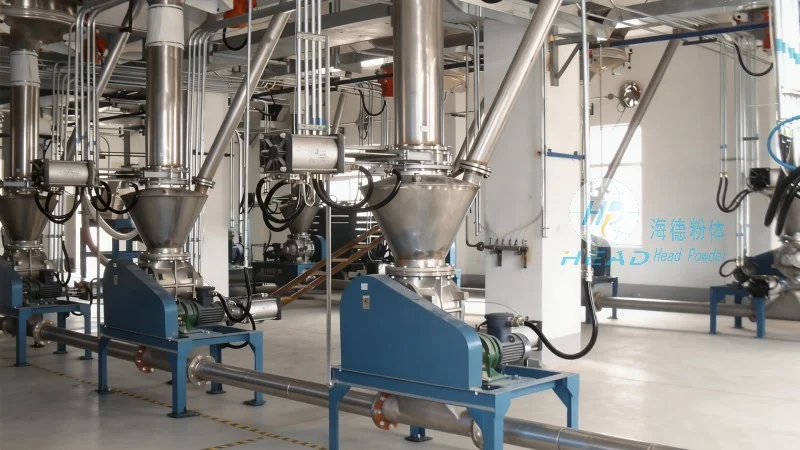
The operation process of a biomass material pneumatic conveying system involves several steps to ensure efficient and safe material transport. The process begins with the preparation of the biomass material, which may include drying or size reduction to improve handling characteristics. Next, the material is fed into the system through the feeder at a predetermined rate. The blower or compressor then starts, creating the required air flow to initiate the conveying process. As the material is introduced, it is carried by the air stream through the pipeline to the receiving end. The control system continuously monitors the system parameters, such as pressure and flow rate, to maintain stable operation. If any issues arise, such as a blockage or pressure drop, the system will automatically shut down or adjust its operation to prevent damage. The conveying process continues until the material is fully transferred to the receiver. Finally, the system is stopped, and the material is discharged from the receiver. The entire process is designed to be automated, with minimal human intervention, enhancing operational efficiency and reducing labor costs.
Compared to traditional mechanical conveyors, pneumatic conveying offers several advantages for biomass material handling. One of the primary benefits is the ability to transport materials over long distances without the need for intermediate transfer points, which reduces the overall system complexity and cost. The system is also more flexible, as it can be easily reconfigured to accommodate changes in material flow or process requirements. Additionally, pneumatic conveying is less prone to material degradation, as the material is not in direct contact with mechanical parts, which can cause wear or damage. The system also provides better dust control, as the material is contained within the pipeline, reducing the risk of airborne dust and improving workplace safety. Furthermore, the operation of pneumatic conveying systems is generally more energy-efficient than mechanical conveyors, as the air flow can be optimized to minimize energy consumption.
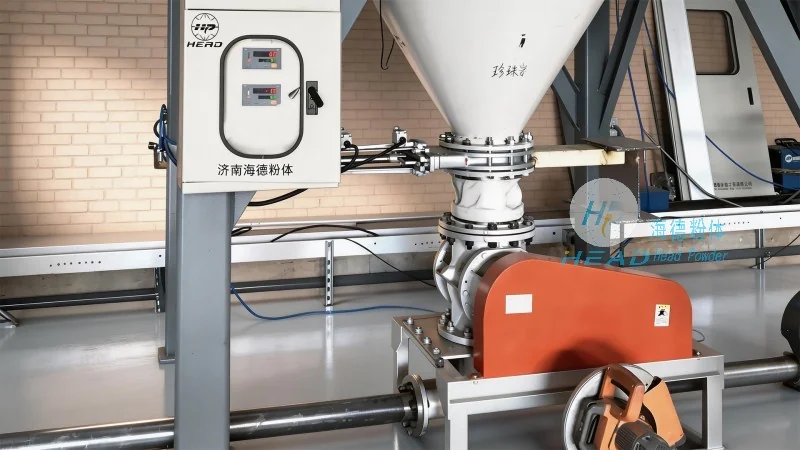
Shandong HeadPowder Engineering Co., Ltd., operating under the brand name headpowder, is a leading provider of pneumatic conveying solutions for biomass and other bulk materials. With years of experience in the industry, the company specializes in designing, manufacturing, and installing customized pneumatic conveying systems tailored to the specific needs of its clients. The company's team of engineers and technicians is dedicated to providing high-quality, reliable equipment that meets the stringent requirements of modern industrial applications. Headpowder's products are known for their durability, efficiency, and ease of maintenance, ensuring long-term performance and minimal downtime. The company serves a wide range of industries, including biomass power generation, biofuel production, and agricultural processing, helping clients improve their material handling processes and achieve higher productivity. Headpowder's commitment to innovation and customer satisfaction has made it a trusted partner in the bulk material handling industry.

 Shandong Headpowder Engineering Co., Ltd.
 156-6277-7102(Manager Zhang)
  0531-83386006
  Zhangqiu District, Jinan City, Shandong Province, China
telephone
WeChatconsult
top