With more than 10‑year industry experience, Shandong Headpowder delivers full‑service pneumatic‑conveying systems and blowers, undertaking nationwide turn‑key powder‑handling projects.
Understanding the operation process and working principle of air-pneumatic conveying systems for pulverized coal ash materials is crucial for optimizing material handling efficiency in industrial applications. This article provides a detailed overview of the key components, operational steps, and technical principles involved in such systems, tailored for professionals in the material handling and engineering sectors.
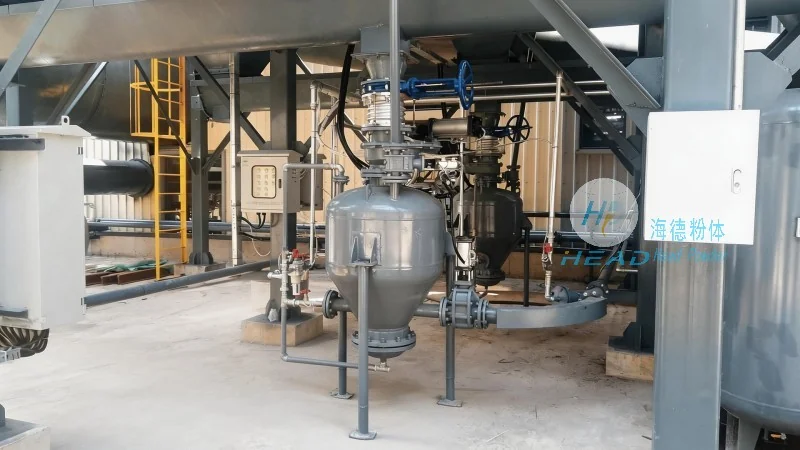
Air-pneumatic conveying, also known as pneumatic transport, is a method used to move bulk materials through a pipeline using pressurized or suction air. For pulverized coal ash, which is a fine, dry powder, this technology offers a reliable and efficient means of transportation compared to traditional methods like belt conveyors or trucks. The system typically consists of a series of components including a hopper, feeder, air compressor, pipeline, and receiver, each playing a critical role in the overall material transport process.
The core components of an air-pneumatic conveying system for coal ash include: a material hopper to store the coal ash, a rotary valve or screw feeder to control the flow rate, an air compressor to generate the necessary pressure or vacuum, a pipeline network to transport the material, and a receiver or silo to collect the conveyed material. Each component must be carefully selected and maintained to ensure optimal performance and prevent material degradation or system failure.
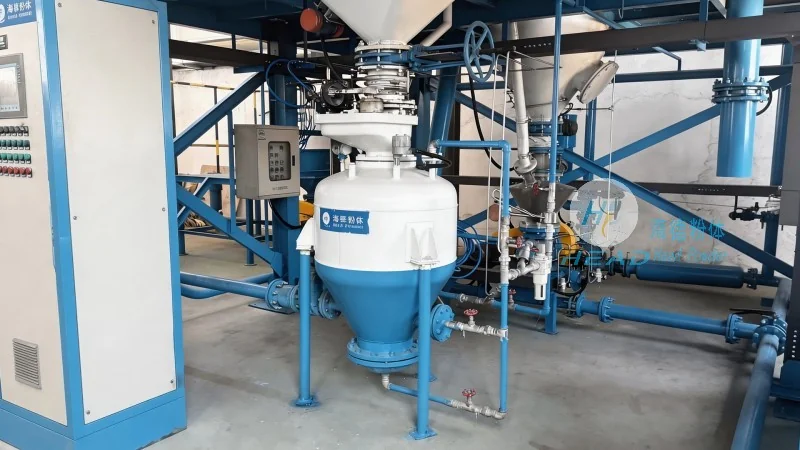
The operation process of the system begins with the coal ash being loaded into the hopper. The feeder then regulates the flow of material into the pipeline, ensuring a consistent feed rate. Simultaneously, the air compressor generates either positive pressure (for pressure conveying) or negative pressure (for suction conveying) to move the material through the pipeline. As the air and material mixture travels through the pipeline, the coal ash particles are suspended and transported to the receiver. The receiver then separates the material from the air, typically using a cyclone separator or bag filter, and stores the coal ash for further use.
The working principle of air-pneumatic conveying relies on the interaction between the air flow and the material particles. In pressure conveying, the air compressor increases the air pressure in the pipeline, creating a high-velocity air stream that lifts and transports the coal ash particles. The velocity of the air must be sufficient to overcome the gravitational force acting on the particles and any frictional losses in the pipeline. In suction conveying, a vacuum is created at the receiver end, drawing the material and air into the pipeline. The air flow rate and pressure are carefully controlled to maintain a stable flow and prevent material deposition or blockages.
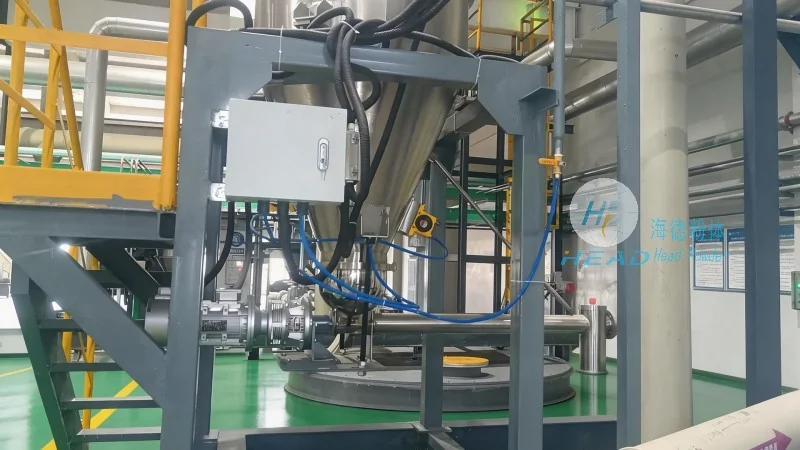
Compared to traditional material handling methods, air-pneumatic conveying offers several advantages for coal ash transport. These include: reduced labor costs due to automated operation, minimized material contamination and degradation, improved safety by eliminating manual handling of fine powders, and the ability to transport materials over long distances without the need for intermediate storage or transfer points. Additionally, the system can be easily integrated with other industrial processes, such as drying or mixing, to form a comprehensive material handling solution.
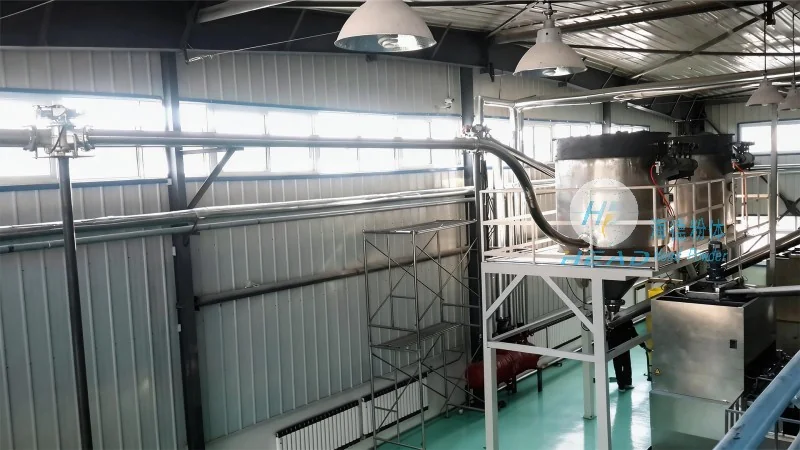
Shandong HeadPowder Engineering Co., Ltd., a leading provider of material handling solutions, specializes in designing and manufacturing air-pneumatic conveying systems tailored to the unique needs of coal ash applications. With years of experience in the industry, HeadPowder has developed a range of customized solutions that address the challenges of handling fine, dry powders like coal ash. The company’s expertise lies in optimizing system performance, ensuring compliance with safety and environmental regulations, and providing comprehensive after-sales support to its clients.
HeadPowder understands that each coal ash handling project has specific requirements, such as material characteristics, transport distance, and environmental constraints. Therefore, the company offers customized air-pneumatic conveying systems that can be tailored to meet these needs. This includes selecting the appropriate air compressor type, determining the optimal pipeline diameter and length, and designing the receiver system to maximize material recovery and minimize air loss. Regular maintenance of the system is also crucial to ensure long-term performance and reliability. HeadPowder provides comprehensive maintenance services, including routine inspections, component replacement, and troubleshooting to keep the system operating at peak efficiency.

 Shandong Headpowder Engineering Co., Ltd.
 156-6277-7102(Manager Zhang)
  0531-83386006
  Zhangqiu District, Jinan City, Shandong Province, China
telephone
WeChatconsult
top