With more than 10‑year industry experience, Shandong Headpowder delivers full‑service pneumatic‑conveying systems and blowers, undertaking nationwide turn‑key powder‑handling projects.
For industrial applications requiring the efficient and reliable transport of abrasive sand powders, pneumatic conveying systems represent a critical solution. These systems are designed to handle the unique challenges posed by abrasive materials, ensuring safe and effective material transfer from source to destination. This article provides a detailed overview of the operation process and working principle of abrasive sand powder pneumatic conveying equipment, highlighting the key components, operational steps, and technical considerations that contribute to their performance.
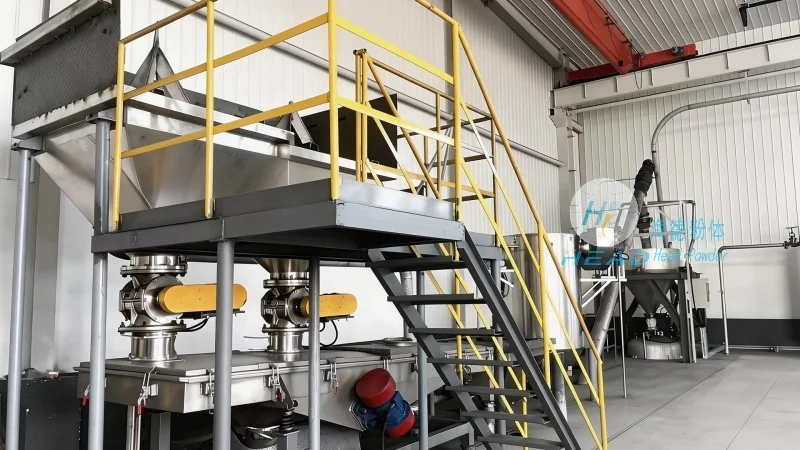
Abrasive sand powders, such as those used in sandblasting, foundry processes, or abrasive grinding applications, demand specialized handling due to their hardness and potential to cause wear on conventional equipment. Pneumatic conveying systems offer a non-contact method of transporting these materials, minimizing material degradation and equipment wear while maintaining high transfer efficiency. The equipment typically consists of a series of components, including a material feeder, a conveying line, a separator, and a receiver, all working in concert to achieve seamless material transport.
HeadPowder, a leading manufacturer of industrial conveying solutions, specializes in the design and production of pneumatic conveying equipment tailored to the needs of abrasive material handling. With a strong commitment to quality and innovation, the company has established itself as a trusted partner for industries requiring reliable and efficient material transport systems. HeadPowder's products are engineered to meet the demanding requirements of abrasive sand applications, ensuring durability, performance, and long-term operational reliability.
The operation of abrasive sand powder pneumatic conveying equipment relies on several critical components that work together to facilitate material transport. These components include:
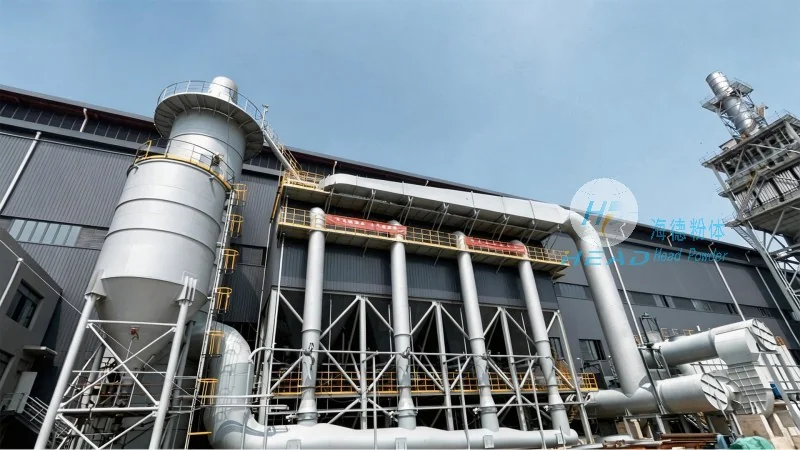
The working principle of abrasive sand powder pneumatic conveying equipment is based on the use of compressed air to create a flow that transports the material through the system. The process can be broken down into several key steps:
The operation process of abrasive sand powder pneumatic conveying equipment involves a series of coordinated actions to ensure smooth and continuous material transfer. The process typically includes the following stages:
1. Preparation and Setup: Before operation, the system is prepared by checking the air supply, ensuring the material feeder is loaded with abrasive sand, and verifying the integrity of all components. This step ensures that the system is ready for efficient operation.
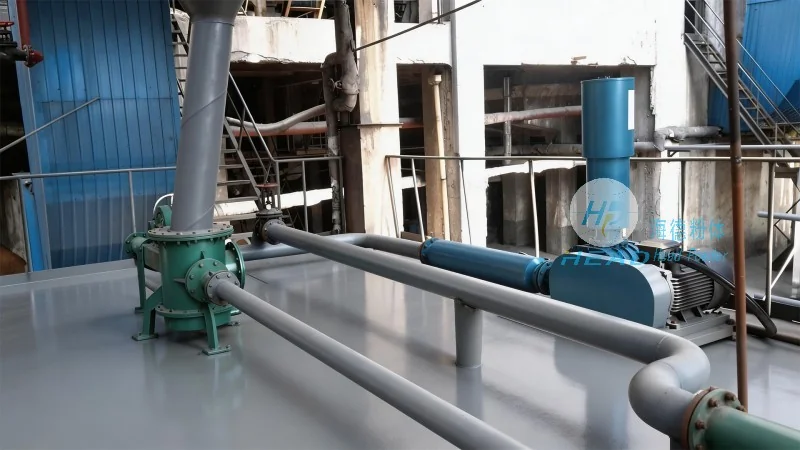
2. Start-up: The air compressor is activated, and the material feeder is started to begin the flow of abrasive sand into the conveying line. The system is monitored to ensure that the air pressure and flow rate are within the optimal range for conveying.
3. Conveying: Once the system is running, the abrasive sand is continuously transported from the source to the receiver. The flow rate and pressure are adjusted as needed to maintain consistent material transfer and prevent blockages.
4. Shutdown: When the conveying operation is complete, the system is shut down in a controlled manner. The air compressor is turned off, and the material feeder is stopped to prevent material accumulation or equipment damage.
5. Maintenance and Cleaning: Regular maintenance is performed to ensure the longevity and performance of the equipment. This includes cleaning the separator, checking for wear on components, and replacing parts as needed.
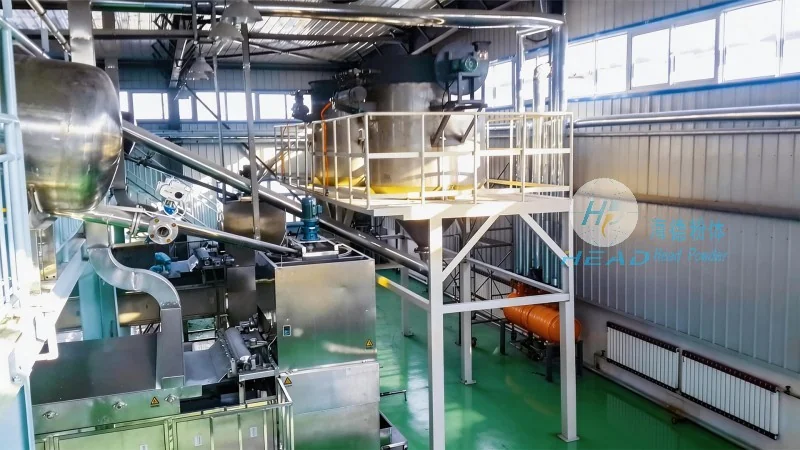
Several technical factors are crucial for the efficient operation of abrasive sand powder pneumatic conveying equipment. These include:
Implementing pneumatic conveying systems for abrasive sand powder offers several advantages over traditional methods, including:
Abrasive sand powder pneumatic conveying equipment, as exemplified by the solutions offered by Shandong HeadPowder Engineering Co., Ltd., provides an efficient and reliable method for handling abrasive materials. By understanding the operation process and working principle of these systems, industries can optimize their material transport processes, improve productivity, and ensure long-term operational success. With proper design, maintenance, and operation, pneumatic conveying systems offer a sustainable solution for the challenges posed by abrasive sand powder handling.

 Shandong Headpowder Engineering Co., Ltd.
 156-6277-7102(Manager Zhang)
  0531-83386006
  Zhangqiu District, Jinan City, Shandong Province, China
telephone
WeChatconsult
top