With more than 10‑year industry experience, Shandong Headpowder delivers full‑service pneumatic‑conveying systems and blowers, undertaking nationwide turn‑key powder‑handling projects.
For companies dealing with expanded clay aggregate, an efficient material handling system is crucial for maintaining operational efficiency and product quality. The equipment designed by Shandong HeadPowder Engineering Co., Ltd., a leading manufacturer based in Shandong, China, offers a reliable solution for transporting these lightweight aggregates. This article will explore the operation process and working principles of such systems, highlighting key components and their functions.
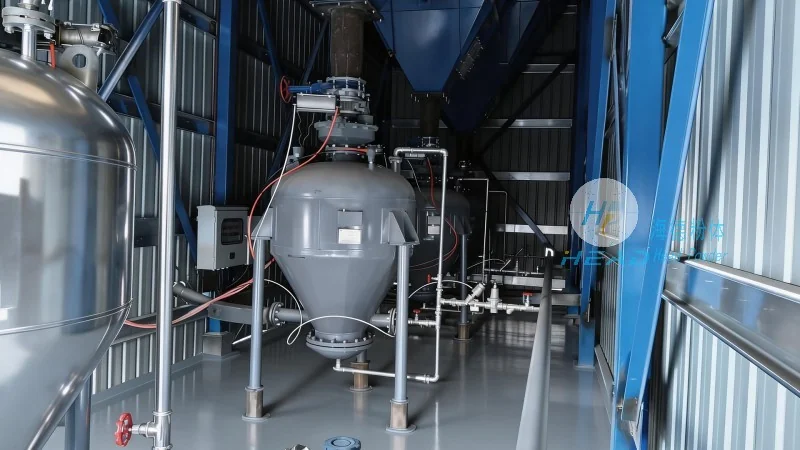
The system typically consists of several core components that work in tandem to ensure smooth material transport. These include feed hoppers, conveyor belts or screw conveyors, control panels, and discharge mechanisms. Each component plays a vital role in the overall functionality of the equipment. The feed hopper is responsible for receiving the expanded clay aggregate from storage or processing areas, ensuring a consistent flow of material into the system. The conveyor belt or screw conveyor then transports the aggregate to the desired location, such as a storage silo or processing unit. The control panel allows operators to monitor and adjust the system's parameters, ensuring optimal performance. Finally, the discharge mechanism delivers the material to its final destination, completing the transport process.
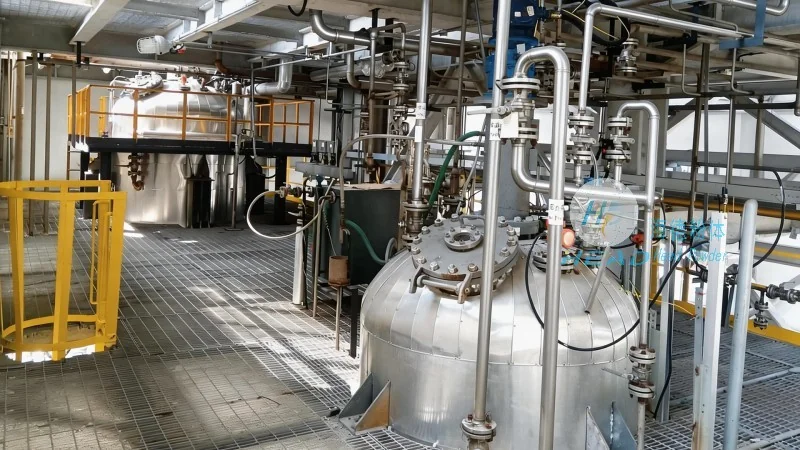
The operation process of the expanded clay aggregate material handling system begins with the loading of the feed hopper. The aggregate is fed into the hopper from a storage silo or a processing line. Once the hopper is filled to a certain level, the conveyor system starts to transport the material. The conveyor belt or screw conveyor moves the aggregate at a controlled speed, ensuring that the material is moved efficiently without causing blockages or spills. The control panel monitors the system's performance, adjusting the speed or direction of the conveyor as needed. When the material reaches the discharge point, the discharge mechanism opens, allowing the aggregate to be released into the storage silo or processing unit. The system then repeats this cycle, continuously transporting the expanded clay aggregate until the feed hopper is emptied.
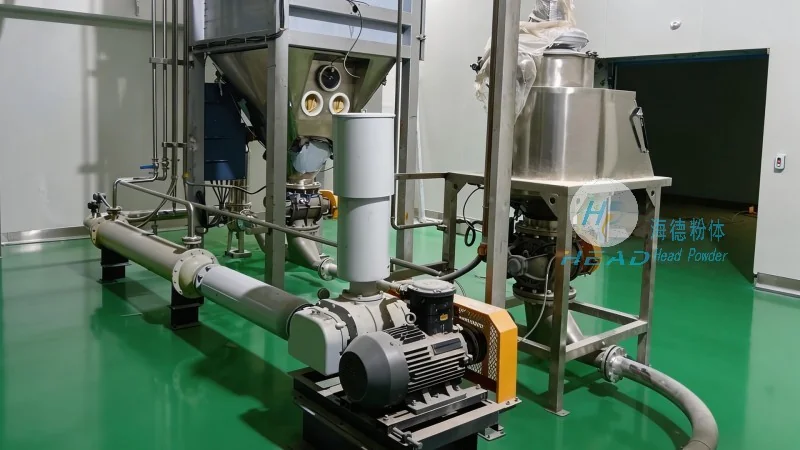
The working principles of the expanded clay aggregate material handling equipment are based on mechanical and hydraulic systems. The feed hopper uses gravity to feed the material into the conveyor system. The conveyor belt or screw conveyor uses friction and rotation to move the material forward. The control panel uses electrical signals to control the speed and direction of the conveyor. The discharge mechanism uses hydraulic or mechanical force to open and close the discharge valve. All these components work together to ensure that the material is transported safely and efficiently. The system is designed to handle the unique properties of expanded clay aggregate, such as its lightweight and porous nature, ensuring that the material is not damaged during transport.
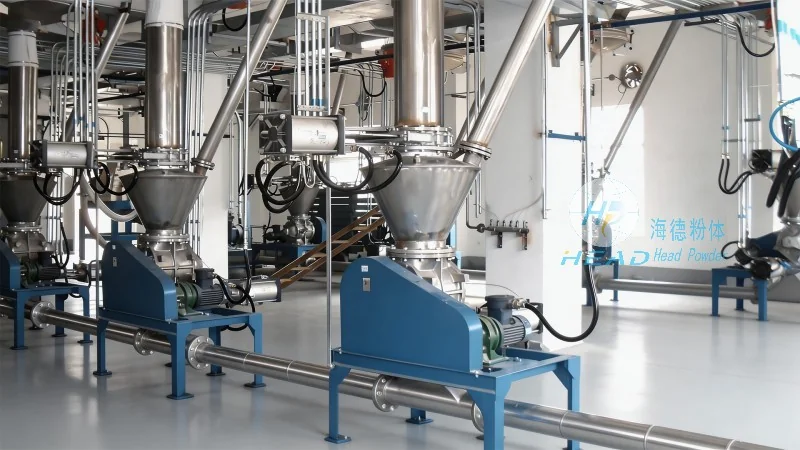
Implementing an efficient material handling system for expanded clay aggregate offers several benefits. First, it improves operational efficiency by reducing the time and labor required for material transport. Second, it enhances product quality by minimizing material damage and contamination. Third, it increases safety by reducing the risk of accidents caused by manual handling. Fourth, it provides better control over the material flow, allowing for more accurate inventory management. Finally, it reduces energy consumption by optimizing the speed and direction of the conveyor system. These benefits make the system an ideal choice for companies dealing with expanded clay aggregate.

 Shandong Headpowder Engineering Co., Ltd.
 156-6277-7102(Manager Zhang)
  0531-83386006
  Zhangqiu District, Jinan City, Shandong Province, China
telephone
WeChatconsult
top