With more than 10‑year industry experience, Shandong Headpowder delivers full‑service pneumatic‑conveying systems and blowers, undertaking nationwide turn‑key powder‑handling projects.
Shandong HeadPowder Engineering Co., Ltd., a leading manufacturer in the field, specializes in the design, production, and supply of advanced magnesia material handling systems. The company's focus is on providing efficient and reliable equipment tailored to the specific needs of the refractory industry, particularly in handling magnesia raw materials. This article delves into the operational process and working principles of such systems, highlighting key components and their functions.
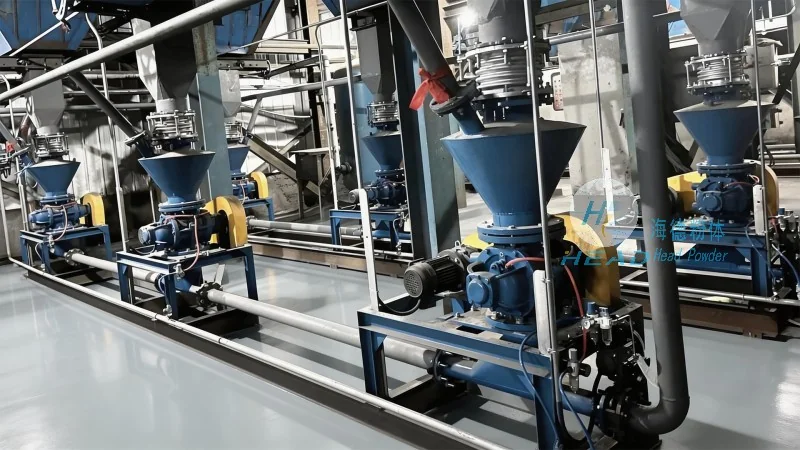
The magnesia material handling system typically consists of several core components that work in tandem to ensure smooth material transport. The primary elements include feeders, conveyors, storage silos, and control systems. Each component plays a crucial role in the overall efficiency of the system. For instance, feeders are responsible for evenly distributing the magnesia material into the conveyor system, preventing blockages and ensuring consistent flow. The conveyors, which may be belt conveyors, screw conveyors, or pneumatic conveyors depending on the application, transport the material from one point to another. Storage silos are used to store the material before it is fed into the system, providing a buffer to maintain a steady supply. The control system, equipped with sensors and automation technology, monitors the entire process, adjusting parameters as needed to optimize performance and prevent issues like overloading or underflow.
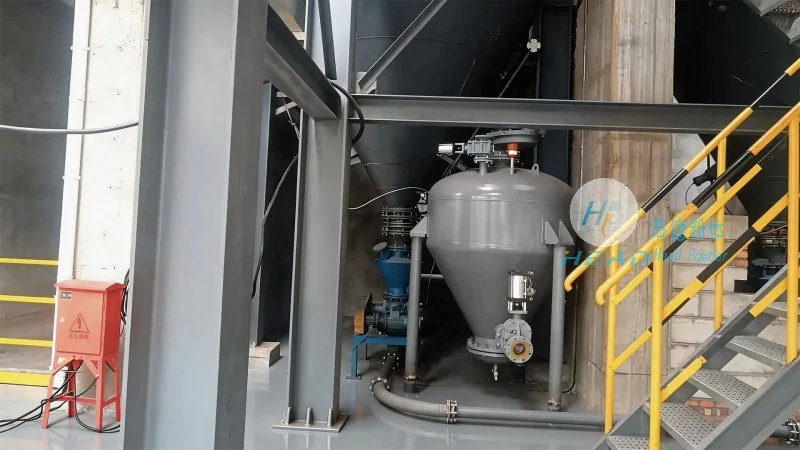
The operation process of the magnesia material handling system begins with the material being fed into the system from a storage silo or a bulk container. The feeder then regulates the flow rate, ensuring that the material is fed at a consistent rate into the conveyor. The conveyor transports the material to the next stage, which could be a processing unit or another storage location. During this process, the control system continuously monitors the material level, flow rate, and other parameters. If any anomalies are detected, such as a blockage or a change in material flow, the system automatically adjusts the feeder speed or conveyor speed to maintain optimal operation. The system also includes safety features, such as emergency stop buttons and overload protection, to ensure the safety of the equipment and personnel. Once the material reaches its destination, the system can either discharge it into another storage area or feed it into a processing machine, depending on the application.
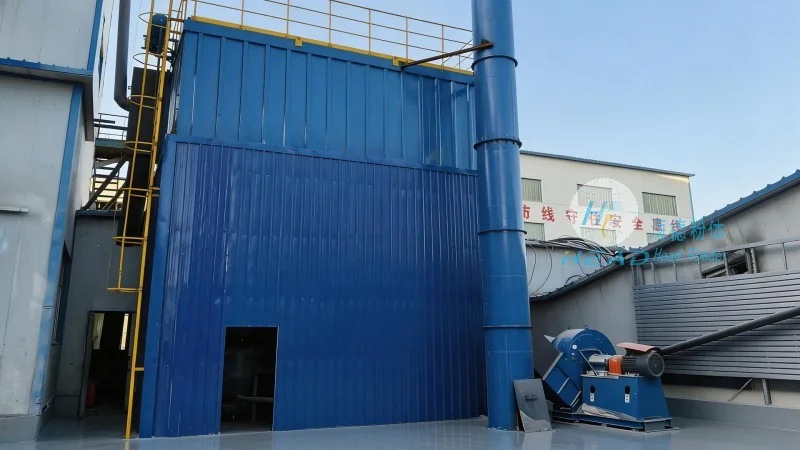
The working principle of the magnesia material handling system is based on mechanical and pneumatic principles, depending on the type of equipment used. For belt conveyors, the principle involves the use of a rotating drum or pulley that moves a belt, which carries the material along its path. The speed of the belt is controlled to regulate the material flow rate. Screw conveyors, on the other hand, use a rotating screw to push the material forward, which is particularly effective for handling bulk materials with a high moisture content. Pneumatic conveyors use air pressure to transport the material through a pipeline, which is suitable for handling fine powders or dusty materials. The control system integrates all these components, using sensors to collect data and a programmable logic controller (PLC) to process the data and control the equipment. The PLC can be programmed to follow specific sequences, such as starting the feeder first, then the conveyor, and then the storage system, to ensure a smooth operation. The system also includes feedback mechanisms, such as level sensors and flow meters, to provide real-time data on the material status, allowing for continuous monitoring and adjustment.
Implementing a magnesia material handling system offers several advantages for industrial applications. Firstly, it enhances operational efficiency by automating the material transport process, reducing the need for manual labor and minimizing the risk of human error. The automated system ensures consistent material flow, which is crucial for maintaining production quality and preventing downtime. Secondly, the system improves safety by reducing the risk of accidents associated with manual handling of bulk materials, such as dust inhalation or physical injuries. The enclosed design of the system also helps in controlling dust emissions, contributing to a cleaner working environment. Thirdly, the system provides better material control, allowing for precise measurement and distribution of the material, which is essential for processes that require exact material ratios. Additionally, the system can be integrated with other production equipment, such as mixing or processing machines, to create a seamless production line, further enhancing overall productivity.
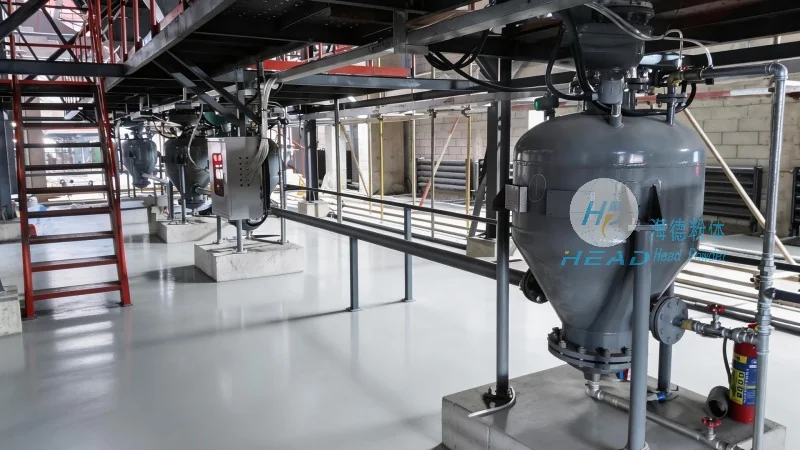
Magnesia material handling systems are widely used in various industries, particularly in the refractory and cement industries, where magnesia is a key raw material. The systems can be customized to meet the specific requirements of different applications. For example, in the production of refractory bricks, the system may need to handle larger chunks of magnesia, requiring a different type of conveyor or feeder. In the production of cement, the system may need to handle finer powders, necessitating the use of a pneumatic conveyor or a high-capacity screw conveyor. The company, Shandong HeadPowder Engineering Co., Ltd., offers customized solutions based on the customer's specific needs, including the type of material, the required capacity, and the operating environment. The systems can be designed to operate in various conditions, such as high temperatures or dusty environments, ensuring durability and reliability. The company also provides after-sales support, including maintenance and repair services, to ensure the long-term performance of the equipment.

 Shandong Headpowder Engineering Co., Ltd.
 156-6277-7102(Manager Zhang)
  0531-83386006
  Zhangqiu District, Jinan City, Shandong Province, China
telephone
WeChatconsult
top