With more than 10‑year industry experience, Shandong Headpowder delivers full‑service pneumatic‑conveying systems and blowers, undertaking nationwide turn‑key powder‑handling projects.
Tea processing is a complex industry that involves multiple stages, from raw leaf collection to final product packaging. A critical component in this workflow is the tea material conveying system, which efficiently transports tea leaves and other materials through various processing stages. This equipment is designed to ensure smooth, consistent, and hygienic movement of tea materials, contributing to the overall efficiency and quality of the tea production line. The following sections will delve into the detailed operation process and working principles of such systems, highlighting key components and their functions.
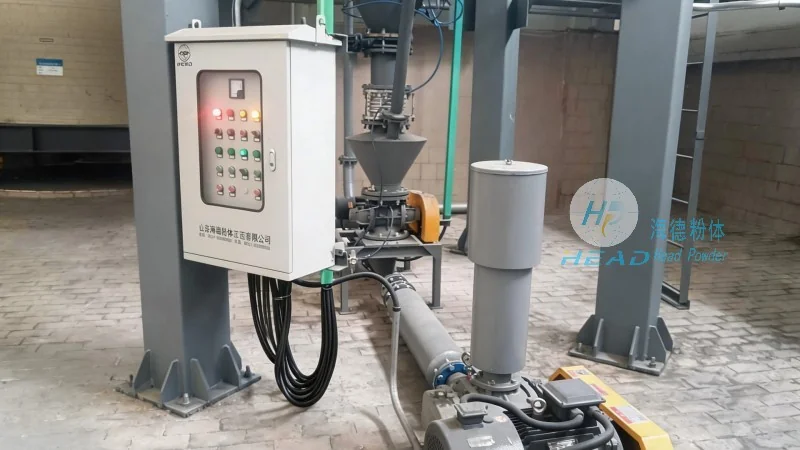
The tea material conveying system typically consists of several core components that work in tandem to facilitate material transport. These components include feeders, conveyors (such as belt conveyors, screw conveyors, or pneumatic conveyors), control systems, and safety mechanisms. Each component plays a vital role in ensuring the system operates reliably and efficiently. For instance, feeders are responsible for evenly distributing the tea leaves into the conveyor, preventing blockages and ensuring a consistent flow rate. Conveyors, which may vary in type depending on the material characteristics and processing requirements, are designed to handle different sizes and shapes of tea leaves, from loose leaves to processed tea products. Control systems, often integrated with sensors and automation technology, monitor the system's performance, adjust conveyor speeds, and manage the overall workflow. Safety mechanisms, including emergency stop buttons and protective guards, are essential to protect operators and prevent accidents during operation.
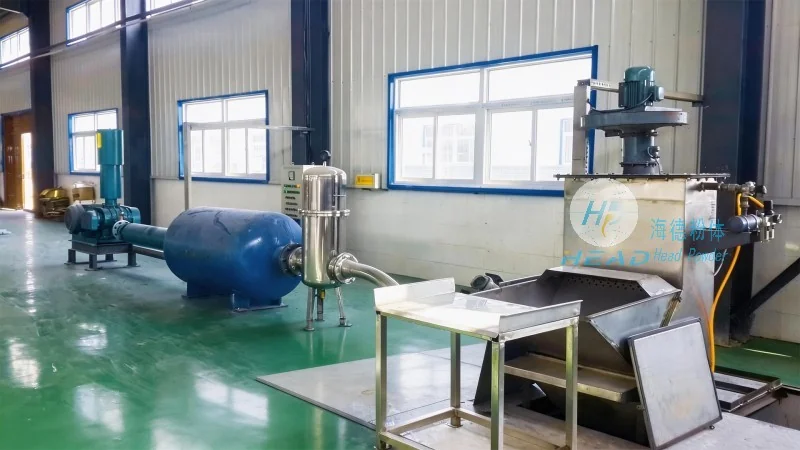
The operation process of the tea material conveying system begins with the intake of raw tea leaves or intermediate products from the processing line. The feeders then distribute the materials evenly into the conveyor system. Depending on the conveyor type, the materials may be transported horizontally, vertically, or at an incline. For example, belt conveyors are commonly used for horizontal transport, while screw conveyors are suitable for vertical or inclined transport due to their ability to handle bulk materials. Pneumatic conveyors, on the other hand, use air pressure to move materials through pipes, which is ideal for transporting fine tea powders or dust. Once the materials are conveyed to the next processing stage, such as sorting, drying, or packaging, the system continues to operate, ensuring a continuous flow of materials throughout the production cycle. The control system continuously monitors the system's performance, adjusting parameters as needed to maintain optimal operation. This ensures that the tea leaves are transported without damage, maintaining their quality and integrity.
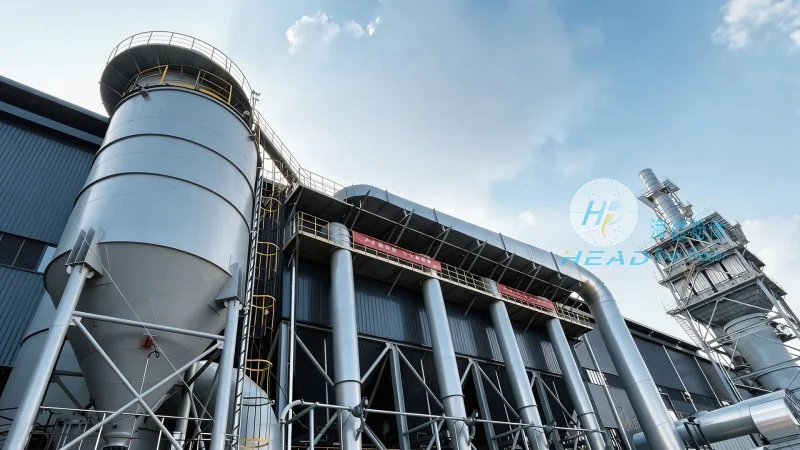
The working principle of the tea material conveying system is based on mechanical or pneumatic forces that move the tea materials from one location to another. For mechanical conveyors, such as belt or screw conveyors, the principle involves the use of a moving surface or rotating screw to push or pull the materials along the conveyor path. The belt conveyor, for instance, uses a continuous belt that moves at a constant speed, carrying the tea leaves on its surface. The screw conveyor employs a rotating screw to push the materials forward, which is particularly effective for handling bulk materials with low to moderate moisture content. Pneumatic conveyors operate by creating a pressure differential, where air is blown through a pipe to move the materials. This method is highly efficient for transporting fine or powdery tea materials, as it minimizes material degradation and contamination. The control system integrates sensors that detect the position and flow rate of the materials, providing real-time data to the operator. This allows for adjustments to be made promptly, ensuring the system operates within optimal parameters. Additionally, the system is designed with safety features to prevent overloading or blockages, which could lead to system failure or material damage.
The tea material conveying system offers several advantages that contribute to the overall efficiency of the tea processing industry. Firstly, it enhances productivity by ensuring a continuous and consistent flow of materials, reducing downtime and labor costs. The automated control system minimizes the need for manual intervention, allowing operators to focus on other critical tasks. Secondly, the system improves product quality by preventing material damage and contamination. The gentle handling of tea leaves, especially in belt conveyors, reduces breakage and bruising, which can affect the final product's taste and appearance. Thirdly, the system enhances safety by incorporating protective features and emergency stop mechanisms. This reduces the risk of accidents and ensures compliance with safety regulations. Finally, the system is designed for easy maintenance and cleaning, which is crucial in the food processing industry where hygiene is paramount. The modular design of the components allows for quick replacement and cleaning, minimizing downtime and ensuring compliance with sanitary standards.
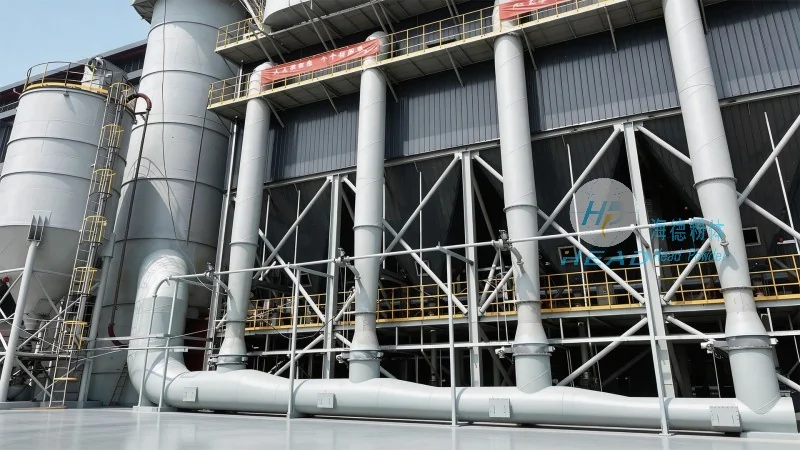
In conclusion, the tea material conveying system is a vital component in the tea processing industry, ensuring efficient and hygienic transport of tea materials. By understanding the operation process and working principles of such systems, manufacturers can optimize their production lines, improve product quality, and enhance operational efficiency. The integration of advanced control systems and safety features further enhances the reliability and performance of these systems. As the tea industry continues to evolve, the tea material conveying system will remain a critical technology, supporting the production of high-quality tea products while meeting the demands of modern processing requirements.

 Shandong Headpowder Engineering Co., Ltd.
 156-6277-7102(Manager Zhang)
  0531-83386006
  Zhangqiu District, Jinan City, Shandong Province, China
telephone
WeChatconsult
top