With more than 10‑year industry experience, Shandong Headpowder delivers full‑service pneumatic‑conveying systems and blowers, undertaking nationwide turn‑key powder‑handling projects.
PTFE (Polytetrafluoroethylene) powder conveying lines are critical components in industrial applications where PTFE powder needs to be transported efficiently and safely. These systems are designed to handle the unique properties of PTFE, such as its low friction, chemical resistance, and thermal stability. The operation of PTFE powder conveying lines involves a series of steps that ensure the material is moved from one location to another without degradation or contamination. Understanding the operation process and working principle is essential for optimizing performance and maintaining product quality.
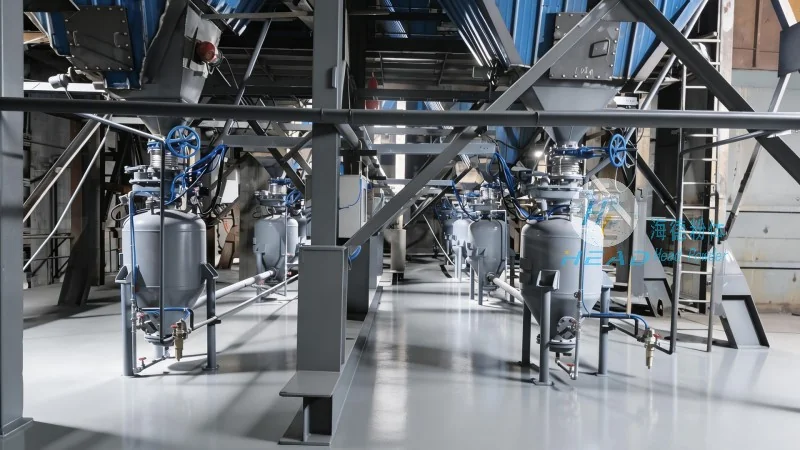
Shandong HeadPowder Engineering Co., Ltd., a leading manufacturer in the field, emphasizes the importance of each component in a PTFE powder conveying line. The system typically includes a hopper for material storage, a feeder to control the flow rate, a conveyor (often a screw or pneumatic system), and a receiver for the final product. Each component is engineered to handle PTFE's characteristics, ensuring minimal wear and optimal material transfer. The company's expertise lies in designing systems that integrate these components seamlessly, reducing downtime and increasing overall efficiency.
The operation process of a PTFE powder conveying line begins with the loading of PTFE powder into the hopper. The hopper is designed with a sloped bottom to facilitate smooth material flow. Next, a feeder, such as a rotary valve or a vibratory feeder, regulates the amount of powder released into the conveyor. This controlled release prevents overloading and ensures a consistent flow rate. The conveyor then transports the powder to the receiver, which may be a storage tank or a processing unit. The entire process is monitored by sensors and control systems to maintain optimal conditions. HeadPowder, based in Shandong, China, ensures that each step of the operation is optimized for reliability and efficiency, adhering to industry standards for material handling.
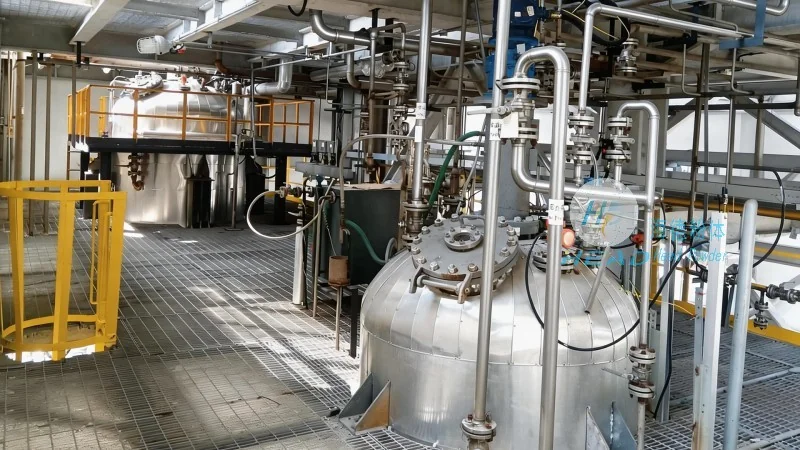
The working principle of PTFE powder conveying lines relies on the principles of fluidization and mechanical transport. In pneumatic conveying systems, compressed air is used to create a flow that carries the powder particles through the pipeline. The air velocity is carefully controlled to prevent particle segregation and ensure uniform transport. For mechanical systems, such as screw conveyors, the rotating screw pushes the powder forward, utilizing the material's friction properties. The design of the conveyor components, including the screw pitch and diameter, is crucial for maintaining the right balance between conveying efficiency and energy consumption. Shandong HeadPowder Engineering Co., Ltd. incorporates advanced engineering principles to design systems that minimize energy loss and maximize material throughput, making their PTFE powder conveying lines highly effective for various industrial applications.
Implementing PTFE powder conveying lines offers several advantages in industrial settings. Firstly, they provide a clean and dust-free transfer of PTFE powder, which is essential for maintaining product purity. The enclosed system prevents contamination from external sources, ensuring that the final product meets quality standards. Secondly, these systems enhance operational efficiency by reducing manual handling and minimizing material loss. The automated control systems allow for precise regulation of flow rates, leading to consistent production output. Additionally, the durability of PTFE and the corrosion-resistant materials used in the conveying components extend the lifespan of the system, reducing maintenance costs over time. HeadPowder, with its headquarters in Shandong, China, offers tailored solutions that address specific industry needs, providing customers with reliable and cost-effective powder handling solutions.
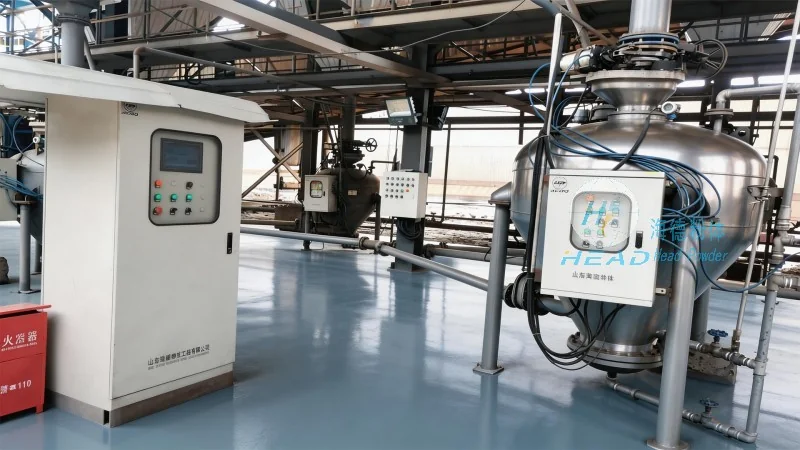
PTFE powder conveying lines are widely used in industries that require the handling of PTFE powder, including chemical manufacturing, semiconductor production, and aerospace. In chemical plants, these systems are used to transport PTFE powder for the production of coatings and lubricants. In the semiconductor industry, the clean and precise transfer of PTFE is critical for manufacturing components that require high purity. The aerospace industry utilizes PTFE powder for applications such as gaskets and seals, where the material's thermal stability and chemical resistance are vital. Shandong HeadPowder Engineering Co., Ltd. has successfully implemented PTFE powder conveying lines in various sectors, demonstrating the versatility and effectiveness of their systems. Their expertise in customizing solutions ensures that clients receive systems tailored to their specific operational requirements, enhancing productivity and product quality.
Proper maintenance is essential to ensure the long-term performance of PTFE powder conveying lines. Regular inspection of components, such as the hopper, feeder, and conveyor, helps identify potential issues before they escalate. HeadPowder recommends routine cleaning of the system to prevent the accumulation of powder residue, which can affect flow rates and cause blockages. Additionally, checking the condition of seals and bearings is crucial to prevent leaks and ensure smooth operation. In case of operational issues, such as reduced flow or increased pressure, troubleshooting steps include checking the feeder settings, inspecting the conveyor for blockages, and verifying the air pressure in pneumatic systems. By following these maintenance practices, users can maximize the lifespan of their PTFE powder conveying lines and maintain optimal performance. Shandong HeadPowder Engineering Co., Ltd. provides maintenance services and technical support to assist clients in keeping their systems in top condition.

 Shandong Headpowder Engineering Co., Ltd.
 156-6277-7102(Manager Zhang)
  0531-83386006
  Zhangqiu District, Jinan City, Shandong Province, China
telephone
WeChatconsult
top