With more than 10‑year industry experience, Shandong Headpowder delivers full‑service pneumatic‑conveying systems and blowers, undertaking nationwide turn‑key powder‑handling projects.
For industrial applications involving the handling of polyvinyl chloride (PVC) powders, efficient and reliable conveying systems are essential to ensure smooth production workflows and maintain product quality. This article provides an in-depth look at the operation process and working principle of PVC powder conveying systems, highlighting key components, operational steps, and the technical aspects that contribute to effective material transport.
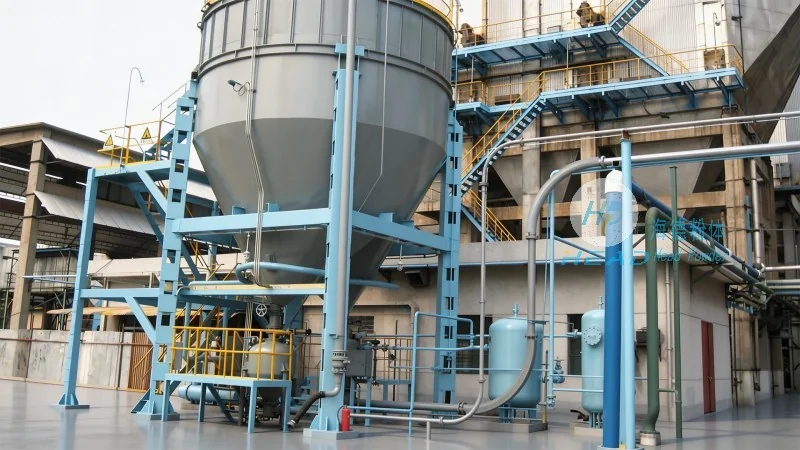
PVC powder conveying systems are engineered to handle the unique properties of polyvinyl chloride powders, which include moderate to high bulk density, cohesive behavior, and potential for static charge accumulation. The system typically consists of several critical components, including a hopper for material storage, a conveyor mechanism (such as a screw conveyor or pneumatic system), and control devices to regulate flow and pressure. The design of these systems is tailored to minimize material degradation, prevent blockages, and ensure consistent delivery to downstream processes.
1. Hopper: The hopper serves as the primary storage vessel for PVC powders. It is designed with a sloped bottom to facilitate material flow and is often equipped with a discharge valve or gate to control the rate of material release. The hopper may also include a venting system to manage air pressure and prevent the buildup of static electricity, which can affect material handling and safety.
2. Conveyor Mechanism: The conveyor is the core component responsible for transporting PVC powders from the hopper to the processing equipment. Common types include screw conveyors, which use rotating screws to push material forward, and pneumatic conveyors, which utilize air pressure to move powders through a pipeline. The choice of conveyor type depends on factors such as the material's properties, required conveying distance, and system efficiency.
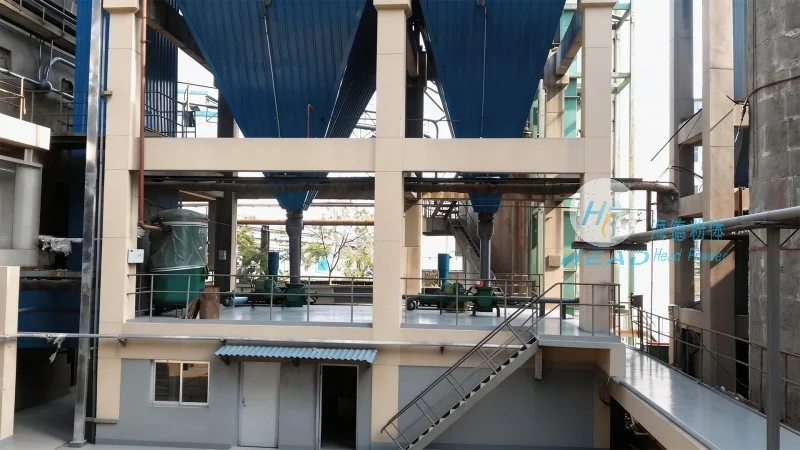
3. Control Devices: Control devices, such as flow meters, pressure sensors, and variable frequency drives (VFDs), are integrated into the system to monitor and adjust the conveying process. These devices help maintain consistent flow rates, prevent overloading, and ensure the system operates within safe parameters. Proper control is crucial for preventing material buildup, which can lead to blockages or equipment damage.
The operation of a PVC powder conveying system follows a systematic sequence of steps to ensure efficient material transport. The process begins with the loading of PVC powders into the hopper. Once the hopper is filled, the discharge valve is opened to allow material to flow into the conveyor mechanism. The conveyor then begins to operate, either by rotating the screw or generating air pressure, depending on the system design.
During the conveying process, the system continuously monitors key parameters such as flow rate, pressure, and temperature. If any abnormalities are detected, the control devices automatically adjust the system to maintain optimal performance. For example, if the flow rate is too high, the VFD may reduce the conveyor speed to prevent overloading. Conversely, if the flow rate is too low, the system may increase the air pressure or adjust the screw speed to maintain consistent transport.
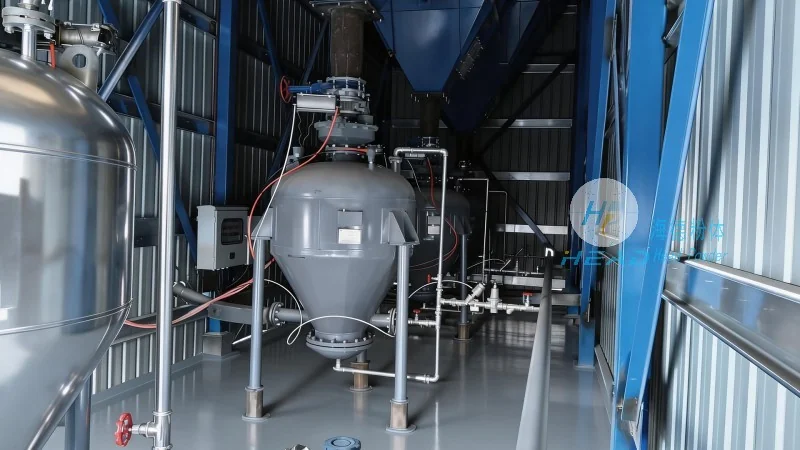
The material is then delivered to the downstream processing equipment, such as a mixer or extruder, where it is further processed into final products. The entire operation is typically automated, with minimal manual intervention required, allowing for consistent and reliable production.
The working principle of PVC powder conveying systems is based on the principles of fluid dynamics and mechanical transport. For screw conveyors, the rotating screw creates a self-priming action, pulling material from the hopper and pushing it forward through the conveyor tube. The pitch and diameter of the screw are carefully selected to match the material's bulk density and flow characteristics, ensuring efficient transport without excessive pressure buildup.
In pneumatic conveying systems, the principle of air movement is utilized to transport PVC powders. The system generates high-pressure air, which is introduced into the conveying line. The air flows through the line, carrying the PVC powders along with it. The velocity of the air is critical; it must be sufficient to keep the powders suspended and prevent deposition or blockages. The system may use a combination of positive and negative pressure to achieve efficient transport over longer distances.
Both types of systems rely on the proper design of the conveying line, including the diameter and length of the pipeline, as well as the placement of bends and fittings. These elements are optimized to minimize pressure losses and ensure the material reaches the destination without degradation. The working principle also involves the management of static electricity, as PVC powders are prone to generating static charges during handling. Anti-static measures, such as grounding and ionizers, are incorporated into the system to prevent static buildup, which can cause material sticking or equipment malfunctions.
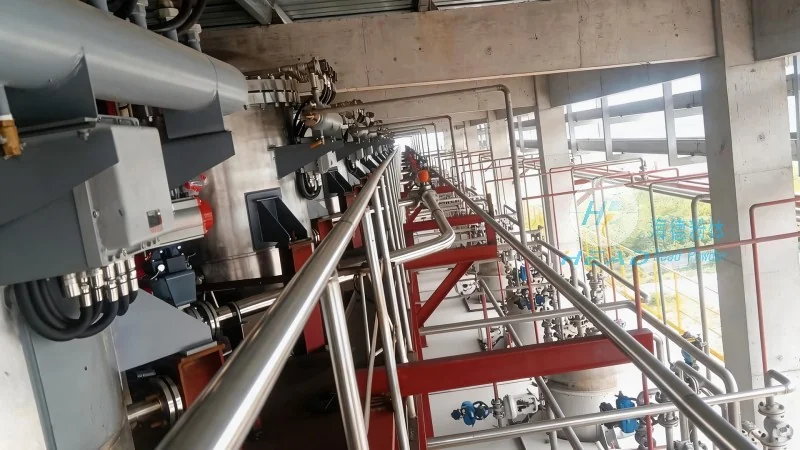
PVC powder conveying systems offer several benefits that make them indispensable in industrial applications. These include improved material handling efficiency, reduced labor costs, and enhanced product quality. The systems are designed to handle large volumes of PVC powders, ensuring consistent supply to processing equipment. This consistency is crucial for maintaining uniform product properties, such as density and color, which are critical in applications like pipe manufacturing, flooring, and construction materials.
The systems also contribute to improved safety in the workplace. By automating the conveying process, the risk of manual handling injuries is reduced. Additionally, the control devices help prevent overloading and blockages, which can lead to equipment damage or production downtime. The use of anti-static measures further enhances safety by reducing the risk of static-related fires or explosions.
PVC powder conveying systems are widely used in various industries, including construction, automotive, and packaging. They are particularly valuable in applications where PVC powders are used as raw materials for manufacturing products such as pipes, sheets, and profiles. The systems are also used in recycling operations, where PVC powders are processed and reused in new products.

 Shandong Headpowder Engineering Co., Ltd.
 156-6277-7102(Manager Zhang)
  0531-83386006
  Zhangqiu District, Jinan City, Shandong Province, China
telephone
WeChatconsult
top