With more than 10‑year industry experience, Shandong Headpowder delivers full‑service pneumatic‑conveying systems and blowers, undertaking nationwide turn‑key powder‑handling projects.
Phosphate calcium is a critical raw material in the chemical and fertilizer sectors, and efficient material handling is pivotal for industrial production. The phosphate calcium pneumatic conveying machine, as a specialized equipment for material transport, plays a vital role in ensuring seamless production processes. This equipment is engineered to handle phosphate calcium powder under pneumatic conveying principles, integrating advanced technology with robust engineering to meet the demands of modern industrial applications.
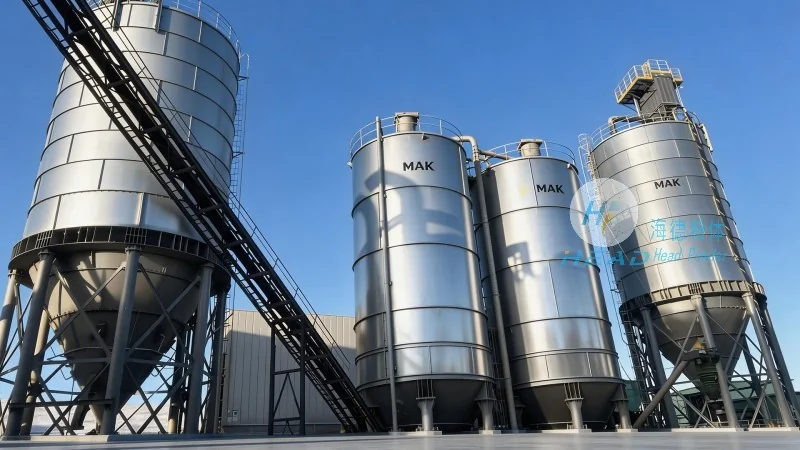
HeadPowder, as a professional manufacturer of material handling equipment, specializes in the research, development, and production of pneumatic conveying systems. With a strong technical team and rich industry experience, HeadPowder provides high-quality solutions for various material conveying needs. The company is headquartered in Shandong, China, and has established a solid reputation in both domestic and international markets for its reliable products and excellent service.
The phosphate calcium pneumatic conveying machine typically comprises several core components, including a material hopper, a rotary valve, a conveying pipeline, a dust collector, and a control system. The material hopper is used to store and feed the phosphate calcium powder, while the rotary valve ensures the material is discharged into the conveying pipeline in a controlled manner. The conveying pipeline is responsible for transporting the material under the action of air pressure, and the dust collector is designed to capture and filter the dust generated during the conveying process. The control system manages the entire operation, ensuring safe and efficient material transport.
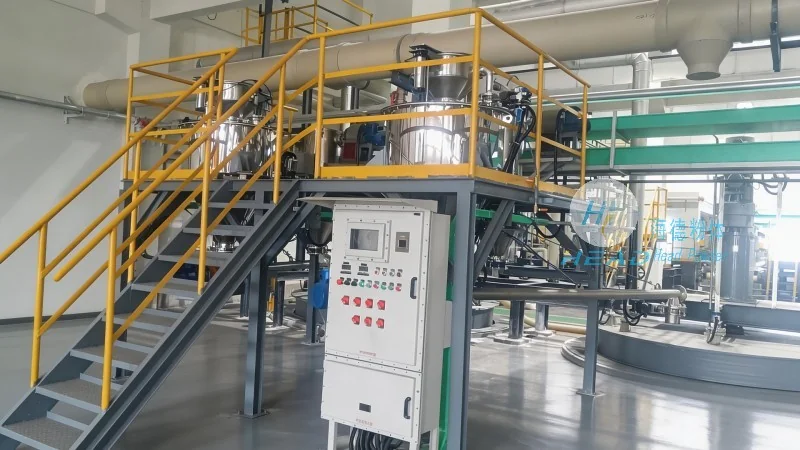
The operation process of the phosphate calcium pneumatic conveying machine involves several key steps. First, the phosphate calcium powder is loaded into the material hopper. Then, the rotary valve opens to allow the material to enter the conveying pipeline. Simultaneously, the air compressor starts to generate high-pressure air, which is then introduced into the conveying pipeline. The high-pressure air creates a negative pressure environment in the pipeline, drawing the phosphate calcium powder along with the air flow. The material is transported through the pipeline to the destination, such as a storage tank or a processing unit. After the material reaches the end of the pipeline, the air is released, and the material is discharged through a rotary valve or a dust collector. The entire process is controlled by the system, ensuring precise control of material flow and air pressure.
The working principle of the phosphate calcium pneumatic conveying machine is based on the principle of pneumatic conveying, which utilizes air as the conveying medium to transport solid materials. The machine operates by creating a pressure difference between the conveying pipeline and the surrounding environment. The air compressor provides the necessary air pressure, and the rotary valve controls the material flow. The material is suspended in the air stream and transported through the pipeline. The dust collector is used to filter the air and collect the fine particles of phosphate calcium, ensuring clean air emission and preventing dust pollution. The control system monitors the pressure, flow rate, and other parameters to maintain stable operation and prevent equipment damage.
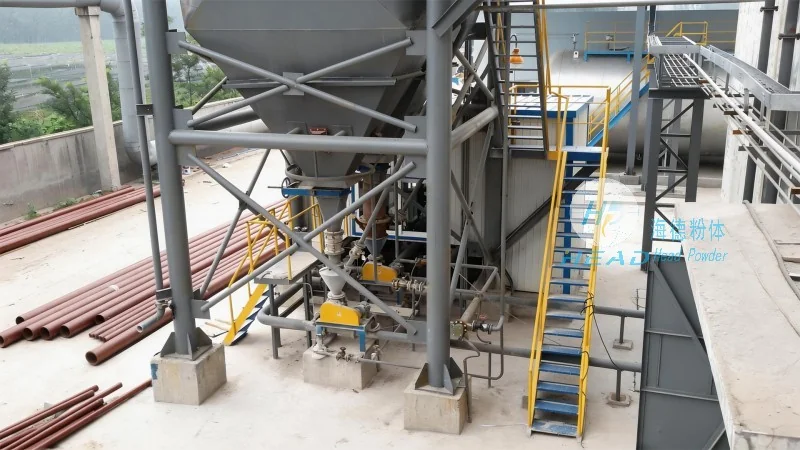
Compared with traditional material handling methods, the phosphate calcium pneumatic conveying machine offers several advantages. Firstly, it provides a dust-free and clean conveying environment, which is essential for protecting the quality of phosphate calcium powder and ensuring a safe working environment. Secondly, the machine can transport materials over long distances without the need for intermediate storage or handling, improving production efficiency. Thirdly, the equipment is compact and easy to install, reducing the space requirements in the production facility. Additionally, the pneumatic conveying system is flexible and can be easily adjusted to meet different production needs, making it suitable for various industrial applications.
The phosphate calcium pneumatic conveying machine is widely used in the chemical industry, fertilizer production, and other industries that handle phosphate calcium powder. It is suitable for conveying materials in powder form, such as phosphate calcium, limestone, and other fine powders. The machine can be used in various production processes, including material storage, transportation, and processing. For example, in the fertilizer production line, the machine can transport phosphate calcium from the storage area to the mixing and granulation units. In the chemical industry, it can be used to convey phosphate calcium to the reaction tanks for further processing. The versatility and efficiency of the pneumatic conveying machine make it an indispensable equipment in modern industrial production.

 Shandong Headpowder Engineering Co., Ltd.
 156-6277-7102(Manager Zhang)
  0531-83386006
  Zhangqiu District, Jinan City, Shandong Province, China
telephone
WeChatconsult
top