With more than 10‑year industry experience, Shandong Headpowder delivers full‑service pneumatic‑conveying systems and blowers, undertaking nationwide turn‑key powder‑handling projects.
Wheat pneumatic conveyors are essential equipment in the grain handling industry, designed to efficiently transport wheat and other bulk materials from one location to another. As a leading manufacturer in this field, Shandong HeadPowder Engineering Co., Ltd. specializes in providing high-quality pneumatic conveying systems tailored to meet the diverse needs of agricultural and food processing sectors. This article will delve into the operation process and working principle of wheat pneumatic conveyors, highlighting the key components, operational steps, and technical aspects that ensure reliable and efficient material handling.
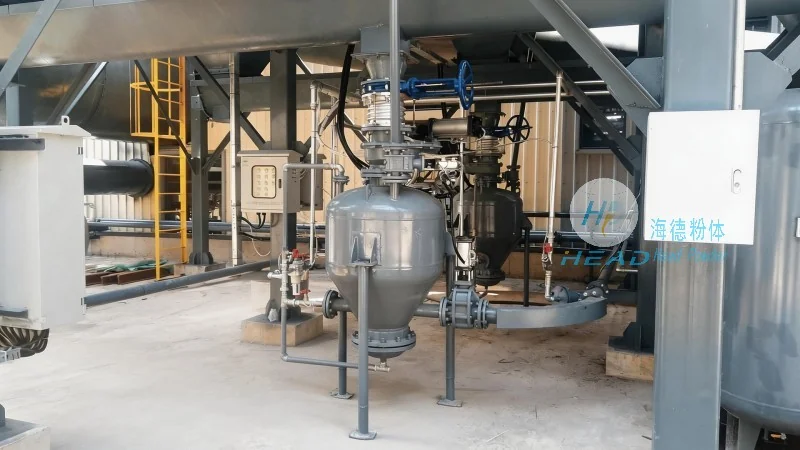
Wheat pneumatic conveyors, also known as pneumatic conveyors or air conveyors, utilize air pressure to move bulk materials like wheat through a pipeline system. These systems are widely used in grain storage facilities, processing plants, and distribution centers due to their ability to handle large volumes of material with minimal labor and space requirements. The core advantage of pneumatic conveying is its ability to transport materials in a closed system, reducing dust emissions and improving overall safety compared to traditional mechanical conveyors.
A typical wheat pneumatic conveyor system consists of several critical components that work in tandem to achieve efficient material transport. These components include the hopper, which stores and feeds the wheat; the air compressor or blower, which generates the necessary air pressure; the pipeline network, which carries the material and air; the rotary valve or feeder, which controls the flow of wheat into the system; and the receiver or discharge hopper, which collects the material at the end of the conveyor. Each component plays a vital role in ensuring the smooth operation of the system and maintaining the quality of the wheat during transport.
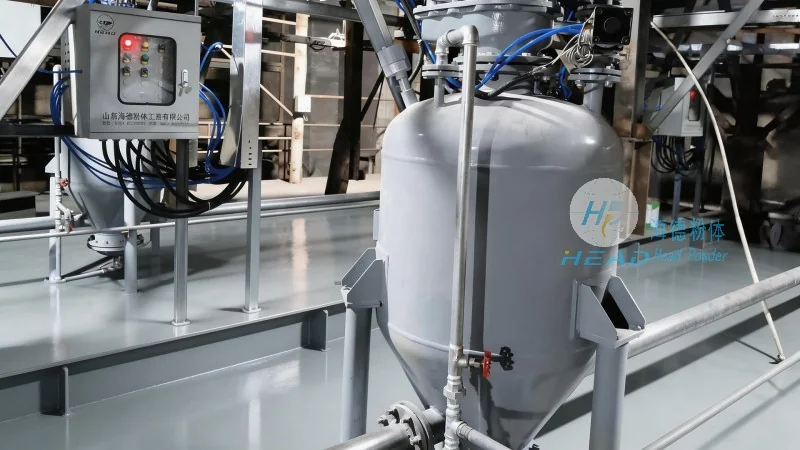
The operation process of a wheat pneumatic conveyor involves several sequential steps that ensure the material is transported from the source to the destination efficiently. First, the wheat is loaded into the hopper, where it is stored and prepared for transport. The rotary valve then regulates the flow of wheat into the pipeline, controlling the amount of material that enters the system at any given time. Simultaneously, the air compressor generates high-pressure air, which is introduced into the pipeline. The air and wheat mixture travels through the pipeline, with the air pressure pushing the wheat forward. The receiver at the end of the conveyor collects the wheat, and the air is either filtered and recycled or vented to the atmosphere. This process is continuous, allowing for the steady and reliable transport of wheat over long distances.
The working principle of wheat pneumatic conveying is based on the principles of fluid dynamics and particle transport. When air is introduced into the pipeline at a sufficient pressure, it creates a flow that can carry the wheat particles along with it. The key to efficient conveying is maintaining the correct air-to-material ratio, which ensures that the wheat is fully suspended in the air stream without settling or clogging the pipeline. The air pressure is typically adjusted based on the material characteristics, pipeline length, and desired conveying speed. Additionally, the system may include features such as air filters to remove dust and debris, and pressure relief valves to prevent over-pressurization. These elements work together to create a stable and effective conveying process that minimizes material degradation and ensures consistent performance.
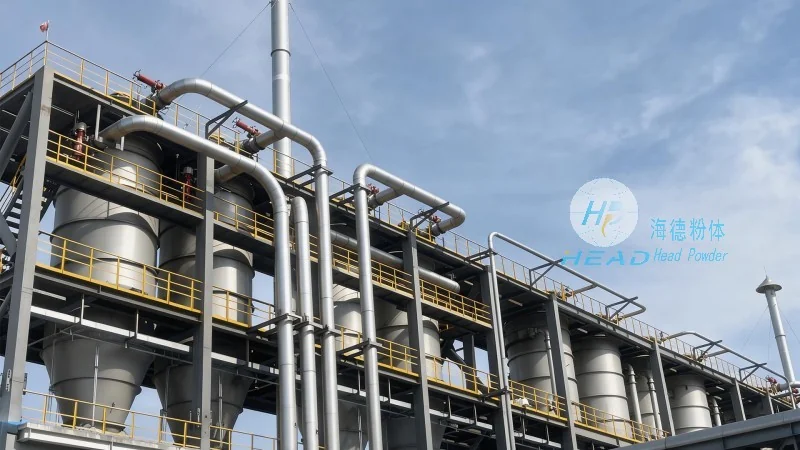
Wheat pneumatic conveyors offer several advantages over traditional mechanical conveyors, making them a preferred choice for many industries. One of the primary benefits is the ability to transport materials in a closed system, which reduces dust exposure and improves workplace safety. Additionally, these systems are highly flexible, allowing for easy reconfiguration and expansion as operational needs change. The enclosed design also helps maintain the quality of the wheat by preventing contamination from external sources. Furthermore, pneumatic conveyors can handle a wide range of material sizes and densities, making them suitable for various applications in grain handling and processing. The automated operation of these systems reduces labor costs and increases productivity, contributing to overall operational efficiency.
Wheat pneumatic conveyors are widely used in various industries, including agriculture, food processing, and grain storage. In agricultural settings, they are used to transport wheat from fields to storage facilities or processing plants. In food processing, they help move wheat to milling operations, where it is ground into flour. Additionally, these systems are used in distribution centers to move wheat between storage silos and packaging lines. The versatility of wheat pneumatic conveyors makes them suitable for a wide range of applications, from small-scale farms to large industrial facilities.
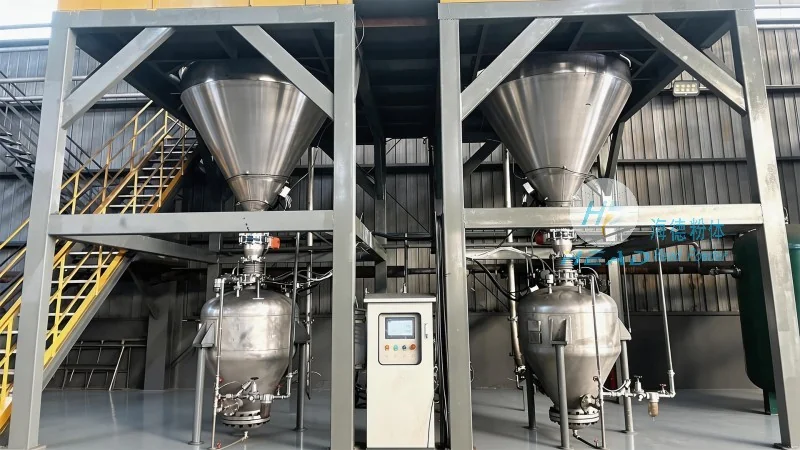
To ensure the reliable operation of a wheat pneumatic conveyor system, regular maintenance is essential. This includes checking the air compressor for proper performance, inspecting the pipeline for leaks or blockages, and cleaning the air filters to maintain air quality. Regular maintenance helps prevent breakdowns and extends the lifespan of the equipment. Common issues that may arise include air leaks, which can reduce conveying efficiency, and material buildup in the pipeline, which can cause clogs. Troubleshooting these issues typically involves checking the air pressure, inspecting the rotary valve for proper operation, and cleaning the pipeline or filters. By addressing these issues promptly, operators can maintain the efficiency and reliability of the wheat pneumatic conveyor system.
Wheat pneumatic conveyors are a critical component of modern grain handling operations, offering efficient, safe, and flexible material transport solutions. The operation process and working principle of these systems involve a combination of mechanical and pneumatic components that work together to move wheat and other bulk materials. With proper maintenance and operation, wheat pneumatic conveyors can provide reliable performance for years, contributing to the overall efficiency and productivity of agricultural and food processing industries. As a leading manufacturer, Shandong HeadPowder Engineering Co., Ltd. continues to innovate and improve its pneumatic conveying systems to meet the evolving needs of the industry.

 Shandong Headpowder Engineering Co., Ltd.
 156-6277-7102(Manager Zhang)
  0531-83386006
  Zhangqiu District, Jinan City, Shandong Province, China
telephone
WeChatconsult
top