With more than 10‑year industry experience, Shandong Headpowder delivers full‑service pneumatic‑conveying systems and blowers, undertaking nationwide turn‑key powder‑handling projects.
HeadPowder, a leading engineering company based in Shandong, China, specializes in the design, manufacturing, and installation of advanced pneumatic conveying systems for the handling of ceramic particles. This article provides a detailed overview of the operation process and working principles of ceramic particle pneumatic conveying lines, highlighting the key components, operational steps, and technical considerations that ensure efficient and reliable material transport.
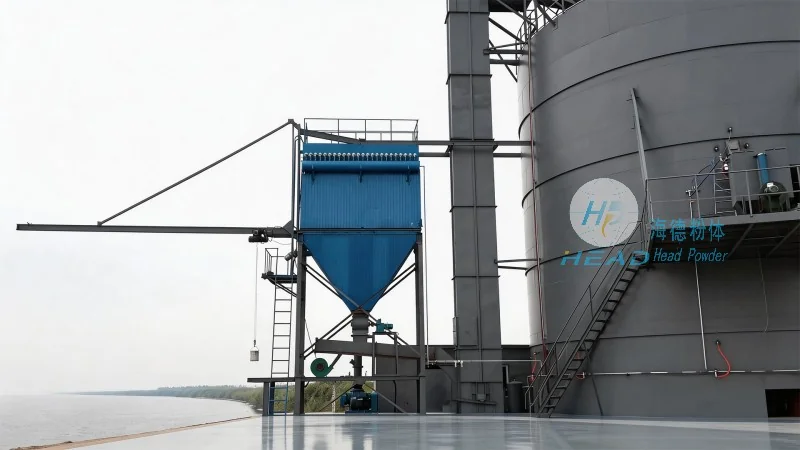
Ceramic particle pneumatic conveying lines are sophisticated systems engineered to transport fine or bulk ceramic materials through a pipeline using compressed air or other gas streams. These systems are widely used in the ceramics industry for applications such as raw material handling, product transport, and waste management. The design of these lines is tailored to the specific characteristics of ceramic particles, including their size, density, moisture content, and abrasiveness, to ensure optimal performance and minimal equipment wear.
The operation of a ceramic particle pneumatic conveying line relies on several critical components that work in tandem to achieve efficient material transport. These components include the material feed system, the conveying pipeline, the air or gas supply unit, and the control and monitoring equipment. Each component plays a vital role in the overall functionality of the system.
The material feed system typically consists of a hopper or feeder that stores and meters the ceramic particles into the conveying line. This system ensures a consistent flow of material, preventing blockages and maintaining the desired conveying rate. The conveying pipeline is made of materials resistant to the abrasive nature of ceramic particles, such as stainless steel or specialized plastic composites, to minimize wear and extend the service life of the system.
The air or gas supply unit provides the necessary pressure and flow rate to move the ceramic particles through the pipeline. This unit can be a blower, a compressor, or a vacuum system, depending on the specific application and conveying distance. The control and monitoring equipment, including pressure sensors, flow meters, and control valves, allows operators to adjust the system parameters in real-time, ensuring stable operation and preventing overloading or under-conveying.
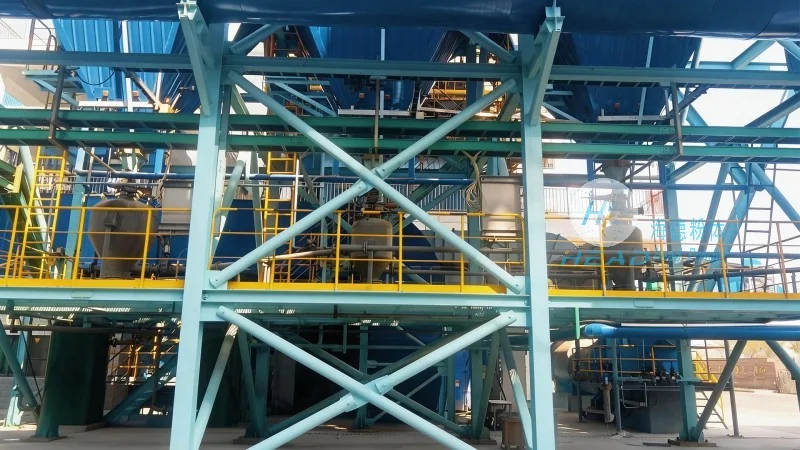
The operation process of a ceramic particle pneumatic conveying line involves several sequential steps that ensure the smooth and efficient transport of ceramic materials. The process begins with the loading of ceramic particles into the hopper or feeder. The feeder then meters the material into the conveying pipeline at a controlled rate, which is determined by the system's design and the required conveying capacity.
Once the material is introduced into the pipeline, the air or gas supply unit generates the necessary pressure to move the particles. The compressed air or gas creates a flow that entrains the ceramic particles, carrying them through the pipeline to the discharge point. The velocity of the gas stream is critical, as it must be sufficient to overcome the gravitational and frictional forces acting on the particles while maintaining a stable flow.
During the conveying process, the ceramic particles are suspended in the gas stream, moving through the pipeline. The system's design, including the pipeline diameter, length, and bends, is optimized to minimize pressure drop and energy consumption. The discharge point is typically equipped with a receiver or silo that collects the conveyed material, and the system may include additional equipment such as cyclones or filters to separate the particles from the gas stream and prevent dust emissions.
The working principle of ceramic particle pneumatic conveying lines is based on the fundamental concept of fluidization and suspension. When compressed air or gas is introduced into the conveying pipeline, it creates a flow that lifts and transports the ceramic particles. The particles are suspended in the gas stream due to the upward velocity of the air, which is greater than the terminal velocity of the particles under the influence of gravity.
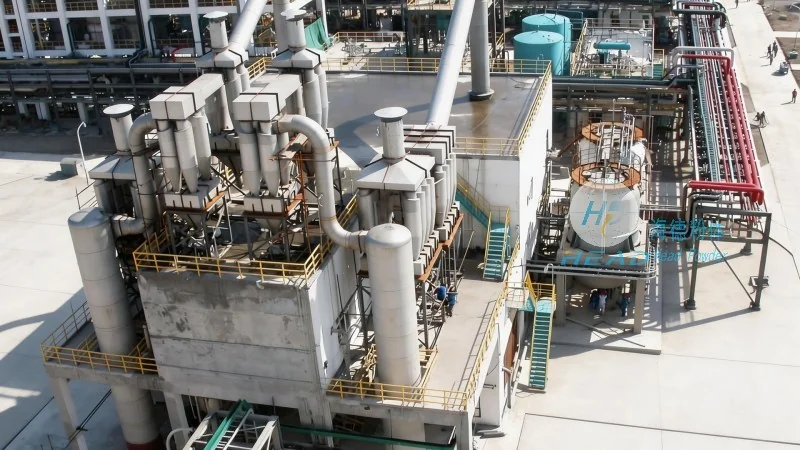
This suspension mechanism allows the particles to be moved through the pipeline without direct contact with the pipeline walls, reducing wear and preventing blockages. The pressure drop along the pipeline is a key factor in the system's performance, as it determines the energy required to maintain the conveying process. The system's design must account for the pressure drop caused by the material's friction with the pipeline walls, the bends, and any fittings or valves.
The control of the system's parameters, such as air pressure, flow rate, and material feed rate, is essential to maintain stable operation. The use of sensors and control valves allows for real-time adjustments, ensuring that the system operates within its optimal range. This control mechanism helps prevent issues such as overloading, which can lead to pipeline blockages, or under-conveying, which can result in material loss or inefficiency.
Several technical considerations are crucial for the efficient and reliable operation of ceramic particle pneumatic conveying lines. These include the selection of appropriate materials for the pipeline and components, the optimization of the gas velocity to ensure stable suspension, and the proper maintenance of the system. The choice of materials for the pipeline and components is critical, as ceramic particles are abrasive and can cause significant wear if the equipment is not designed to withstand their impact.
Optimizing the gas velocity is another important consideration. The velocity must be high enough to suspend the particles but not so high that it causes excessive pressure drop or energy consumption. The system's design must account for the particle size distribution, as larger particles may require higher velocities to maintain suspension. Additionally, the pipeline diameter and length must be carefully selected to minimize pressure drop and ensure that the system can handle the required conveying capacity.

Regular maintenance of the system is essential to ensure long-term performance and reliability. This includes inspecting and replacing worn components, cleaning the pipeline and filters, and checking the performance of the control and monitoring equipment. Proper maintenance helps prevent issues such as blockages, increased pressure drop, and reduced conveying efficiency, which can lead to downtime and increased operating costs.
Ceramic particle pneumatic conveying lines are widely used in various applications within the ceramics industry, including raw material handling, product transport, and waste management. These systems offer several benefits, including high conveying efficiency, minimal material loss, and the ability to transport materials over long distances without the need for intermediate storage or handling. The systems are also relatively compact and can be integrated into existing production lines, making them a cost-effective solution for many applications.
One of the key advantages of pneumatic conveying systems is their ability to handle fine or abrasive materials without the need for mechanical components such as belts or screws, which can be prone to wear and failure. The systems are also flexible, allowing for changes in the conveying route or capacity without major modifications. Additionally, the use of compressed air or gas provides a clean and dust-free environment, which is essential for maintaining product quality and meeting environmental regulations.
In conclusion, ceramic particle pneumatic conveying lines are advanced systems that offer efficient and reliable transport of ceramic materials. The operation process involves several sequential steps, and the working principle is based on the suspension of particles in a gas stream. Proper design, optimization, and maintenance are essential to ensure the system's performance and longevity. As a leading engineering company, HeadPowder provides comprehensive solutions for the design and implementation of these systems, ensuring that clients can achieve their material handling needs with minimal downtime and maximum efficiency.

 Shandong Headpowder Engineering Co., Ltd.
 156-6277-7102(Manager Zhang)
  0531-83386006
  Zhangqiu District, Jinan City, Shandong Province, China
telephone
WeChatconsult
top