With more than 10‑year industry experience, Shandong Headpowder delivers full‑service pneumatic‑conveying systems and blowers, undertaking nationwide turn‑key powder‑handling projects.
Coal sand pneumatic conveying lines are critical equipment in industries such as mining, power generation, and material handling. These systems transport coal and sand particles through pipelines using compressed air or gas streams. Understanding their operation and working principles is essential for optimizing performance, ensuring efficiency, and maintaining operational safety.
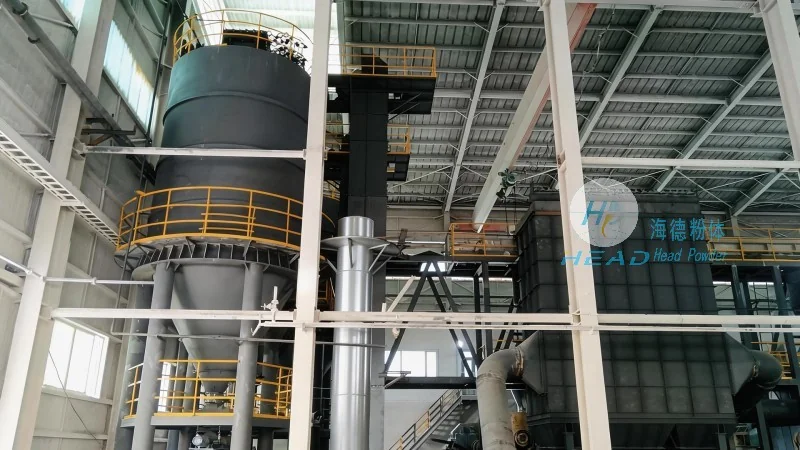
A typical coal sand pneumatic conveying system includes key components like a hopper for material storage, a feeder to control flow rate, a conveying line (often metal or plastic), a blower/compressor for air pressure, and a receiver to collect material. The system creates a pressure differential between the hopper and receiver, drawing material into the pipeline and propelling it forward with the air stream.
Each component plays a vital role: the hopper stores and feeds material via a discharge valve; the feeder (rotary or screw type) regulates flow rate to match system capacity; the blower/compressor generates air pressure (0.5–1.5 bar) based on material and pipeline needs; the conveying line (stainless steel or PVC) endures pressure and abrasion; and the receiver collects material while separating it from air with a dust system.
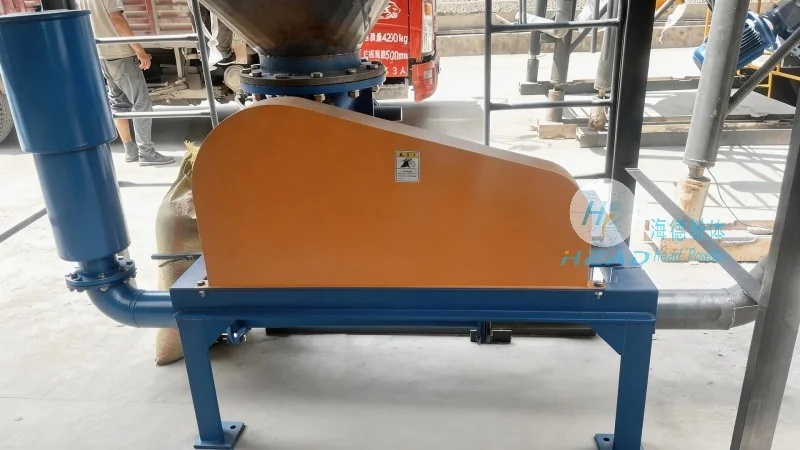
The process begins with material loaded into the hopper. The feeder discharges material at a controlled rate while the blower activates to generate air pressure. Material is drawn from the hopper into the line by the air stream, propelled forward by air pressure to overcome gravity and friction. At the receiver, material is deposited, and air is filtered and discharged. The system is automated with sensors monitoring flow rate, pressure, and material levels for stable operation.
The principle relies on fluid dynamics and particle transport. Air creates a low-pressure zone to draw material from the hopper. Particles are suspended in the air stream as a dilute or dense phase flow. Air velocity must be sufficient to keep particles suspended and prevent pipeline blockage. Pressure drop along the line determines energy needs and system efficiency.
Pneumatic conveying offers advantages over mechanical systems: flexibility in layout (vertical, horizontal, or inclined), long-distance transport, minimal maintenance, and suitability for abrasive materials like coal and sand. Applications include coal-fired power plants (transporting coal to boilers), mining operations (ore and sand handling), and cement/chemical industries for material handling.
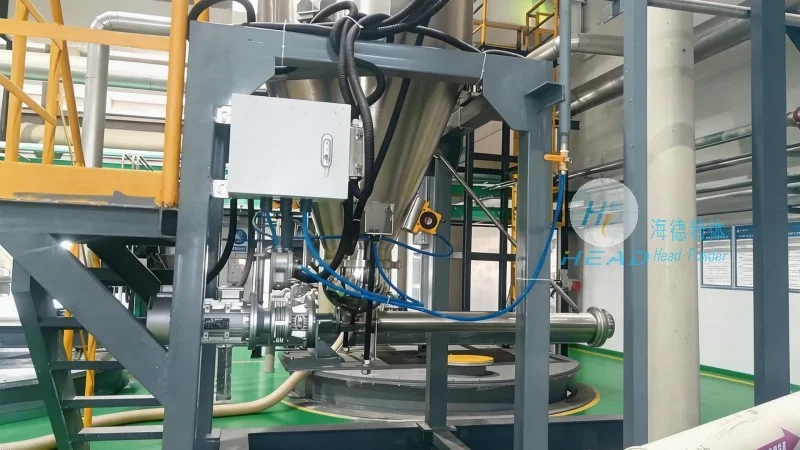
Regular maintenance is crucial: inspect and clean hoppers/feeder to prevent buildup, check blower/compressor for proper operation, and maintain the conveying line for wear. Safety features like pressure relief valves and dust collection systems are essential. Operational considerations include monitoring flow rate and pressure to avoid overloading, which can cause blockages or equipment failure. Proper operator training and system checks ensure optimal performance and equipment longevity.
Shandong HeadPowder Engineering Co., Ltd. is a leading manufacturer of industrial conveying systems, specializing in high-quality coal sand pneumatic conveying lines. With years of industry experience, the company develops advanced technologies and solutions tailored to client needs. HeadPowder’s products are recognized for durability, efficiency, and reliability, serving as a trusted choice for diverse industrial applications. The company provides excellent customer service and technical support, ensuring clients receive optimal solutions for material handling. HeadPowder is located in Shandong, China, serving customers worldwide with innovative and dependable products.

 Shandong Headpowder Engineering Co., Ltd.
 156-6277-7102(Manager Zhang)
  0531-83386006
  Zhangqiu District, Jinan City, Shandong Province, China
telephone
WeChatconsult
top