With more than 10‑year industry experience, Shandong Headpowder delivers full‑service pneumatic‑conveying systems and blowers, undertaking nationwide turn‑key powder‑handling projects.
HeadPowder, a leading engineering firm based in Shandong, China, specializes in the design, installation, and maintenance of advanced pneumatic conveying systems for bulk material handling. This article provides a detailed overview of the operation process and working principle of bulk bag unloading station pneumatic conveying lines, highlighting the key components, operational steps, and technical aspects that ensure efficient and reliable material transfer.
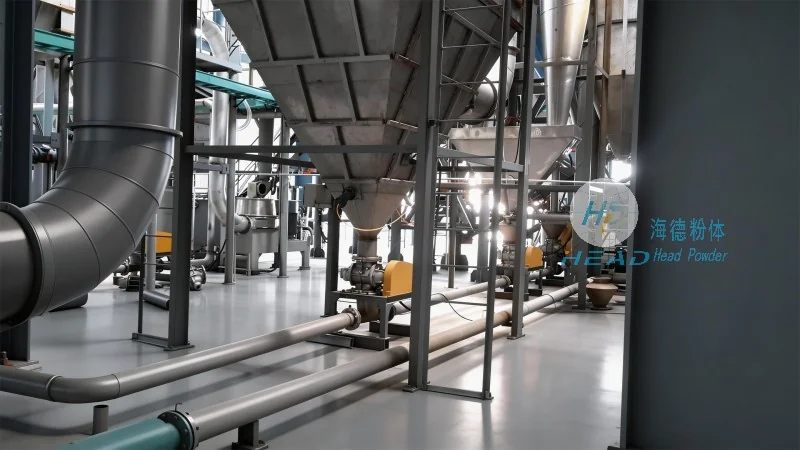
Bulk bag unloading station pneumatic conveying lines are critical infrastructure in industrial facilities that handle large volumes of powders or granules. These systems are designed to safely and efficiently transfer materials from bulk bags (also known as FIBCs or flexible intermediate bulk containers) into storage silos, processing equipment, or other handling units. The primary goal is to minimize dust generation, reduce labor costs, and enhance overall operational safety compared to traditional manual unloading methods.
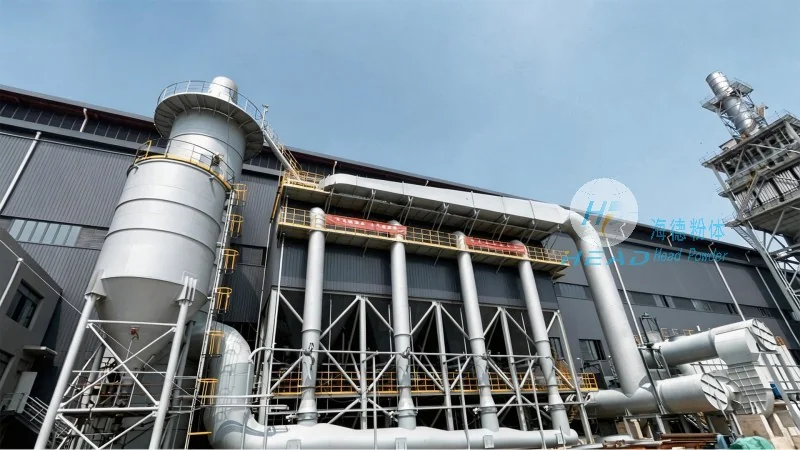
The pneumatic conveying line for bulk bag unloading typically consists of several essential components, each playing a vital role in the material transfer process. These components include:
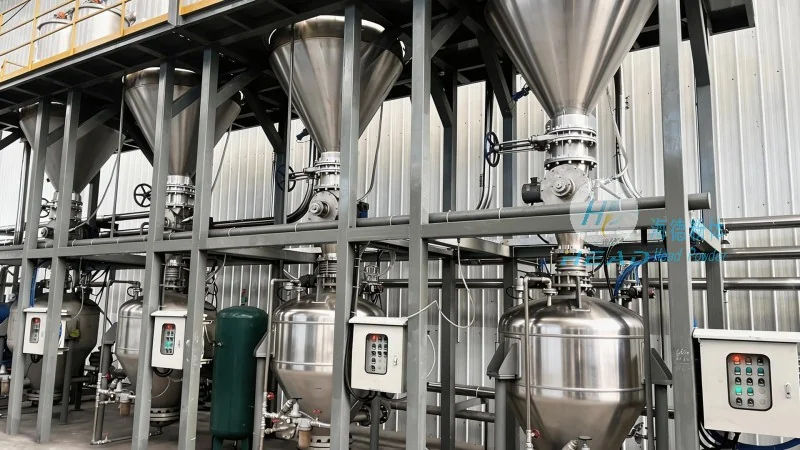
The operation of a bulk bag unloading station pneumatic conveying line involves a series of coordinated steps to ensure efficient material transfer. The process typically begins with the preparation of the bulk bag and the system setup. Here’s a detailed breakdown of the operational sequence:

 Shandong Headpowder Engineering Co., Ltd.
 156-6277-7102(Manager Zhang)
  0531-83386006
  Zhangqiu District, Jinan City, Shandong Province, China
telephone
WeChatconsult
top