With more than 10‑year industry experience, Shandong Headpowder delivers full‑service pneumatic‑conveying systems and blowers, undertaking nationwide turn‑key powder‑handling projects.
HeadPowder, a leading manufacturer based in Shandong, China, specializes in the design and production of advanced pneumatic conveying systems tailored for handling aluminum sulfate material. This article delves into the fundamental principles behind such systems and highlights the key working scene characteristics that make them indispensable in industrial applications.
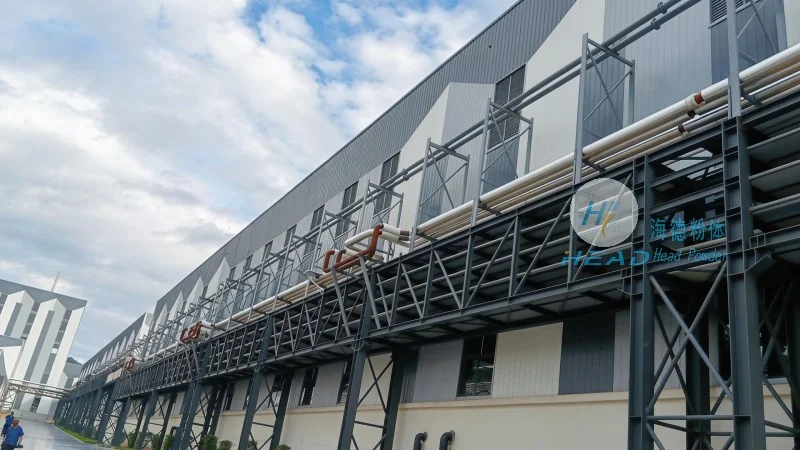
The pneumatic conveyor for aluminum sulfate operates on the principle of transporting bulk material through a pipeline using a gas stream, typically air or a mixture of air and other gases. Unlike traditional mechanical conveying methods, this system eliminates the need for moving parts in the conveying line, reducing maintenance requirements and enhancing operational efficiency. The process involves several critical components: a material feed hopper, a conveying pipeline, a gas source (usually a blower or compressor), and a discharge point. The material is introduced into the hopper, where it is then drawn into the pipeline by the moving gas stream. The gas velocity is carefully controlled to ensure that the material particles are suspended and transported smoothly without causing blockages or excessive wear on the system components. This method is particularly effective for handling aluminum sulfate, which is often in a fine or granular form, as it prevents dust generation and ensures a clean, dust-free transfer process.
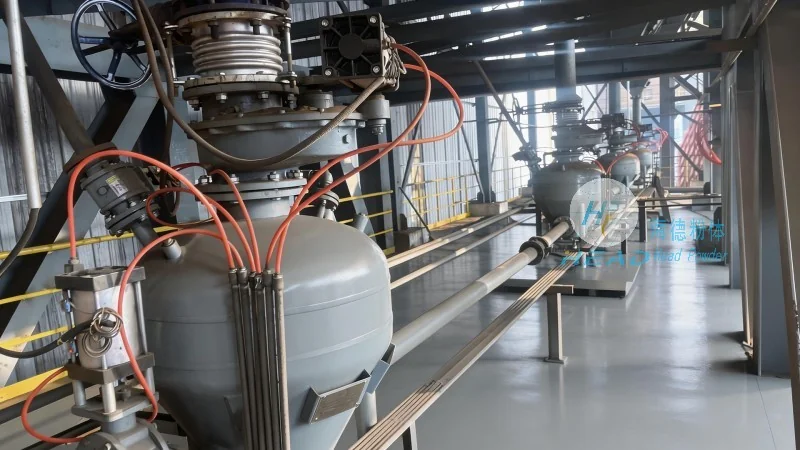
The working scene characteristics of a pneumatic conveyor for aluminum sulfate are tailored to meet the specific demands of industrial environments. These characteristics include: high efficiency in material transfer, with the ability to move large volumes of material over significant distances with minimal energy consumption compared to other methods. The system is also highly flexible, allowing for easy integration into existing production lines and the ability to handle varying material flow rates. Another critical characteristic is its ability to maintain a dust-free environment, which is crucial for applications where product purity and worker safety are paramount. The conveyor's design also minimizes product degradation, ensuring that the aluminum sulfate remains in its original form without clumping or agglomeration during transport. Additionally, the system is equipped with safety features such as pressure relief valves and material flow indicators, ensuring reliable and safe operation in industrial settings.
The pneumatic conveyor for aluminum sulfate is widely used in various industrial sectors, including water treatment, chemical manufacturing, and food processing. In water treatment plants, it is essential for transporting aluminum sulfate to coagulation and flocculation units, where it helps in the removal of suspended solids and turbidity from water. The system's ability to handle fine particles efficiently makes it ideal for this application, as it ensures consistent dosing and uniform mixing of the chemical with water. In chemical manufacturing, the conveyor is used to transport aluminum sulfate between different processing stages, such as drying, grinding, and packaging. The system's flexibility allows for seamless integration with other equipment, such as mixers and storage tanks, enhancing overall production efficiency. In the food processing industry, the conveyor is used to transport aluminum sulfate in the production of certain food additives, where maintaining product purity and preventing contamination is critical. The system's dust-free operation and hygienic design make it suitable for food-grade applications, ensuring compliance with industry standards and regulations.
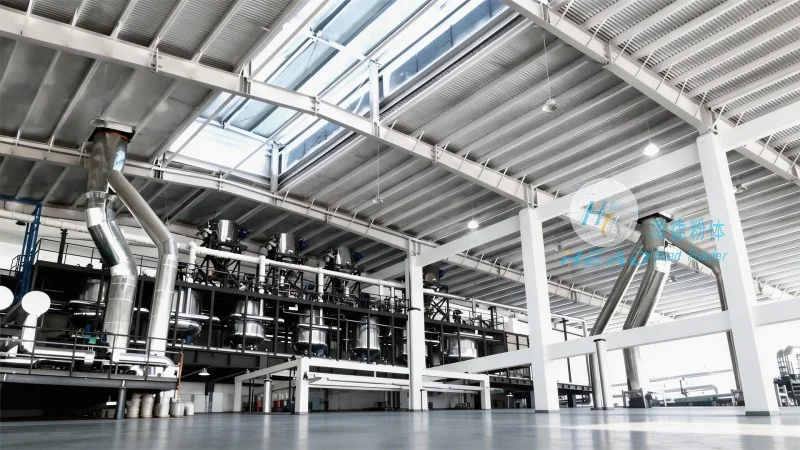
Implementing a pneumatic conveyor for aluminum sulfate offers several advantages over traditional conveying methods. The primary advantage is the reduction in labor costs and maintenance expenses, as the system has fewer moving parts and requires less frequent servicing. Additionally, the system provides a more hygienic and dust-free environment, which is essential for industries where product quality and worker safety are top priorities. The conveyor also offers better control over material flow, allowing for precise dosing and consistent product quality. However, there are some considerations to keep in mind when using this system. The initial investment cost can be higher compared to mechanical conveyors, and the system requires a reliable power source and proper air filtration to ensure optimal performance. The material being conveyed must also be compatible with the system's components, as certain materials may cause corrosion or wear over time. Despite these considerations, the benefits of using a pneumatic conveyor for aluminum sulfate often outweigh the drawbacks, making it a preferred choice for many industrial applications.

 Shandong Headpowder Engineering Co., Ltd.
 156-6277-7102(Manager Zhang)
  0531-83386006
  Zhangqiu District, Jinan City, Shandong Province, China
telephone
WeChatconsult
top