With more than 10‑year industry experience, Shandong Headpowder delivers full‑service pneumatic‑conveying systems and blowers, undertaking nationwide turn‑key powder‑handling projects.
HeadPowder, a leading manufacturer based in Shandong, China, specializes in the design and production of advanced pneumatic conveying systems tailored for resin sand materials. The company's expertise lies in creating efficient and reliable equipment that meets the demanding requirements of modern foundries and casting operations. This article explores the fundamental principles behind resin sand pneumatic conveyors and highlights the key characteristics of their operational environments.
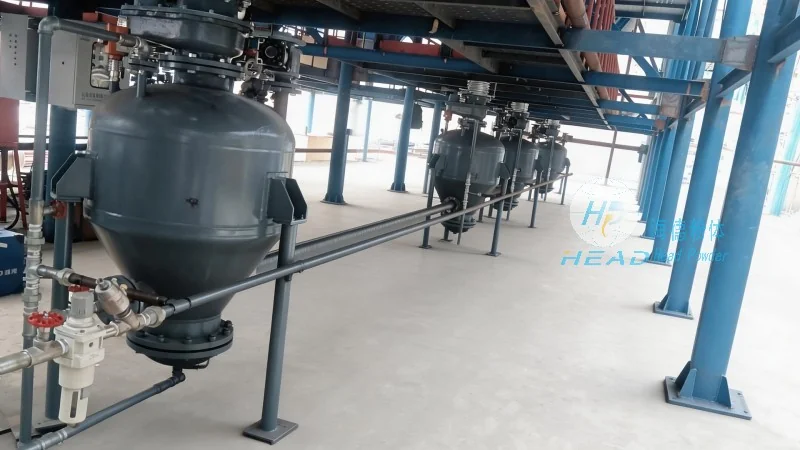
Resin sand, a critical material in the foundry industry, is widely used for its excellent casting properties and reusability. Traditional methods of handling resin sand, such as manual transport or mechanical conveyors, often face challenges like dust generation, material degradation, and inefficiencies in material flow. Pneumatic conveying systems offer a solution by utilizing air as the primary medium to transport resin sand particles from one location to another. These systems are designed to handle the unique characteristics of resin sand, including its fine particle size, abrasive nature, and the need for controlled air pressure and flow rates.
The fundamental principle of pneumatic conveying involves the use of compressed air to create a flow that propels resin sand particles through a pipeline. There are two main types of pneumatic conveying: dilute-phase and dense-phase. Dilute-phase systems operate at higher air velocities, allowing particles to be suspended in the air stream and transported over longer distances. Dense-phase systems, on the other hand, use lower air velocities and higher material concentrations, which is ideal for transporting abrasive or sensitive materials like resin sand with minimal wear and degradation. The choice between these systems depends on the specific application requirements, including the distance to be covered, the material's properties, and the desired flow rate.
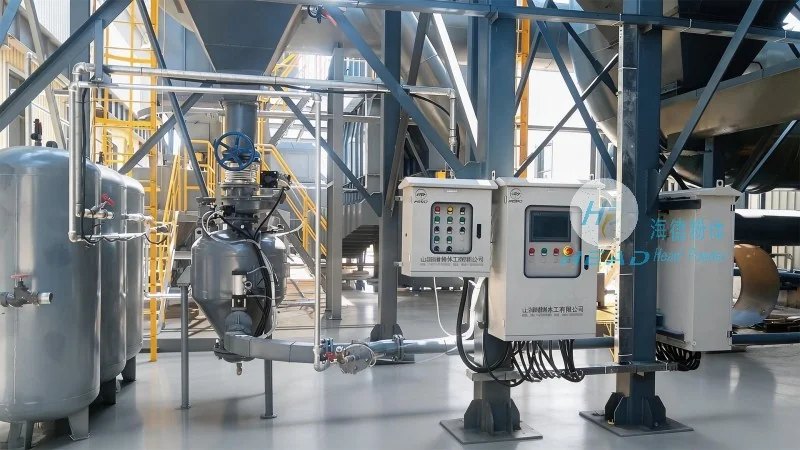
The operational environment of resin sand pneumatic conveying systems is characterized by several distinct features that influence their performance and effectiveness. First, the systems are typically integrated into the production line of a foundry, connecting various stages such as sand mixing, molding, and reclaiming. This integration requires precise control over the material flow to ensure consistent quality in the final casting products. Second, the systems operate under controlled air pressure and temperature conditions to prevent the degradation of resin sand, which could affect its binding properties and casting performance. Third, the equipment is designed to handle the abrasive nature of resin sand, with components like pipelines, valves, and pumps made from durable materials to minimize wear and extend service life. Additionally, the systems often incorporate dust collection and filtration systems to maintain a clean and safe working environment, which is crucial in industrial settings.
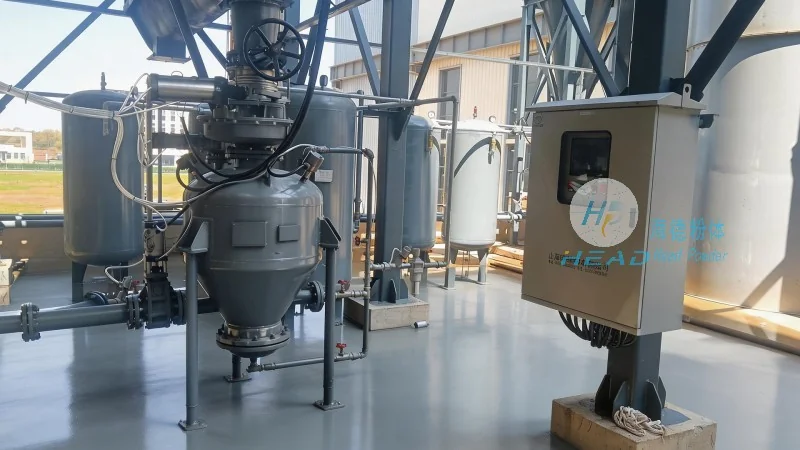
Resin sand pneumatic conveying systems are widely used in various industrial applications, particularly in the foundry industry. They are commonly employed in the transportation of resin sand from storage silos to molding machines, from molding lines to reclamation systems, and from reclamation systems back to the mixing process. The advantages of using pneumatic conveying for resin sand include improved material handling efficiency, reduced labor costs, minimized dust and noise pollution, and enhanced product quality through consistent material flow. Furthermore, these systems offer flexibility in layout design, allowing for the integration of multiple conveying lines and the adaptation to changing production needs. The reliability and durability of the equipment, combined with the expertise of manufacturers like HeadPowder, ensure that these systems provide long-term value and performance in demanding industrial environments.
In conclusion, resin sand pneumatic conveying equipment, as developed by companies like Shandong HeadPowder Engineering Co., Ltd., represents a sophisticated solution for the efficient and reliable handling of resin sand in foundry operations. By understanding the core principles of pneumatic conveying and the specific characteristics of the working environments, manufacturers can design and implement systems that optimize material flow, enhance production efficiency, and maintain the quality of the final casting products. The integration of advanced technology and durable components ensures that these systems remain a vital component in modern foundry processes, contributing to the overall productivity and sustainability of the industry.

 Shandong Headpowder Engineering Co., Ltd.
 156-6277-7102(Manager Zhang)
  0531-83386006
  Zhangqiu District, Jinan City, Shandong Province, China
telephone
WeChatconsult
top