With more than 10‑year industry experience, Shandong Headpowder delivers full‑service pneumatic‑conveying systems and blowers, undertaking nationwide turn‑key powder‑handling projects.
HeadPowder, a leading engineering company based in Shandong, China, specializes in the design and manufacturing of advanced pneumatic conveying systems tailored for hay and similar bulk materials. Our expertise lies in developing efficient, reliable, and cost-effective solutions that meet the diverse needs of agricultural and industrial applications. This article explores the fundamental principles behind our hay material pneumatic conveying machines, along with key working scene characteristics that highlight their practical applications and benefits.
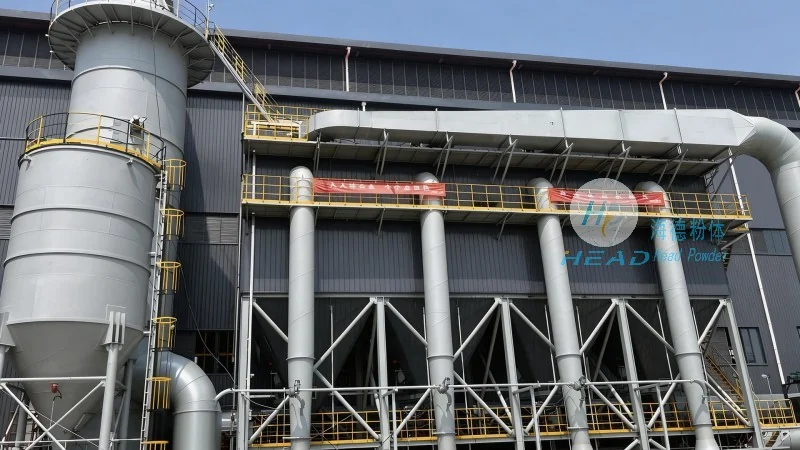
At the core of our pneumatic conveying systems is the use of air to transport dry bulk materials like hay. The technology operates by creating a pressure differential between the inlet and outlet of the conveying line, which propels the material through the system. There are two primary types of pneumatic conveying: pressure and vacuum systems. Pressure systems use compressed air to push the material, while vacuum systems use suction to draw it. For hay, which is typically lightweight and fibrous, a combination of these methods or a specialized pressure system is often employed to ensure smooth and efficient transport. The design of the conveying line, including the choice of pipe diameter, material, and the use of bends and accessories, is critical to maintaining material flow and preventing blockages. Our engineers carefully calculate the air velocity and pressure requirements to optimize the conveying process, ensuring that hay moves consistently without degradation or loss.
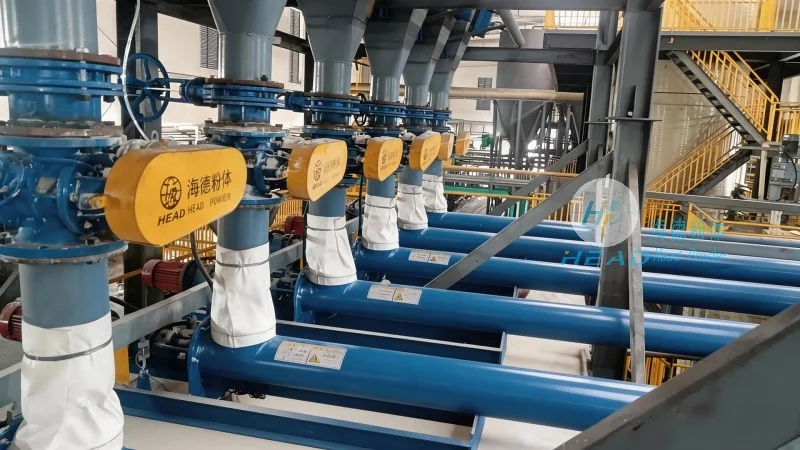
Hay material pneumatic conveying machines are widely used in various working environments, each with distinct characteristics that influence their application. One common scenario is in large-scale agricultural operations, such as hay bale handling on farms. In these settings, the machines are used to transport hay from storage areas to processing facilities or silos. The key characteristic here is the ability to handle large volumes of material over long distances, often with minimal labor. The systems are designed to be robust and durable, capable of withstanding the harsh conditions of outdoor farm environments. Another working scene is in feed mills and livestock facilities, where hay is used as animal feed. Here, the pneumatic conveying system ensures that hay is delivered to feed storage or directly to feeding stations without the need for manual handling. This not only improves efficiency but also maintains hygiene and reduces the risk of contamination. Additionally, in industrial settings, such as biomass processing plants, hay material pneumatic conveyors are used to transport raw materials for energy production. The working scene in these facilities involves high-volume, continuous operation, requiring systems that can handle varying material qualities and maintain consistent performance. Our machines are engineered to adapt to these diverse working conditions, providing reliable and efficient material transport solutions.
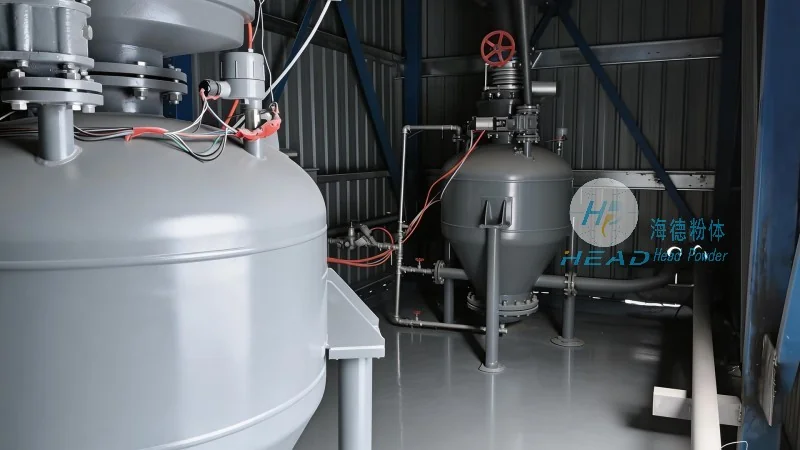
Implementing hay material pneumatic conveying machines offers several advantages across different industries. In agriculture, the primary benefit is the reduction of manual labor, as the system automates the process of moving hay from one location to another. This not only increases productivity but also improves safety by minimizing the need for workers to handle heavy bales or operate machinery in hazardous areas. The efficiency of pneumatic conveying also reduces the time required for material handling, allowing farmers to focus on other critical tasks like planting or animal care. In the feed industry, the systems enhance the quality of feed by ensuring that hay is delivered in a clean and consistent manner, free from contamination or spoilage. This is particularly important for livestock, as contaminated feed can lead to health issues. The hygienic design of our conveying systems, with smooth surfaces and minimal dead zones, helps maintain the integrity of the hay during transport. In industrial applications, the ability to handle large volumes of hay at high speeds makes the system ideal for biomass processing, where the material is used as a fuel source. The consistent flow of hay into processing equipment ensures that production runs smoothly, reducing downtime and increasing overall output. Furthermore, the flexibility of pneumatic conveying allows for easy integration with existing production lines, making it a cost-effective solution for upgrading or expanding facilities.

 Shandong Headpowder Engineering Co., Ltd.
 156-6277-7102(Manager Zhang)
  0531-83386006
  Zhangqiu District, Jinan City, Shandong Province, China
telephone
WeChatconsult
top