With more than 10‑year industry experience, Shandong Headpowder delivers full‑service pneumatic‑conveying systems and blowers, undertaking nationwide turn‑key powder‑handling projects.
HeadPowder, a prominent engineering company headquartered in Shandong, China, specializes in the development and implementation of advanced material handling solutions. This article explores the fundamental principles of pneumatic conveying for corn cobs material and examines the key working scene characteristics that define its application in agricultural processing. By understanding these aspects, businesses in the agricultural sector can enhance their material transport processes, improving efficiency, reducing operational costs, and ensuring consistent product quality.
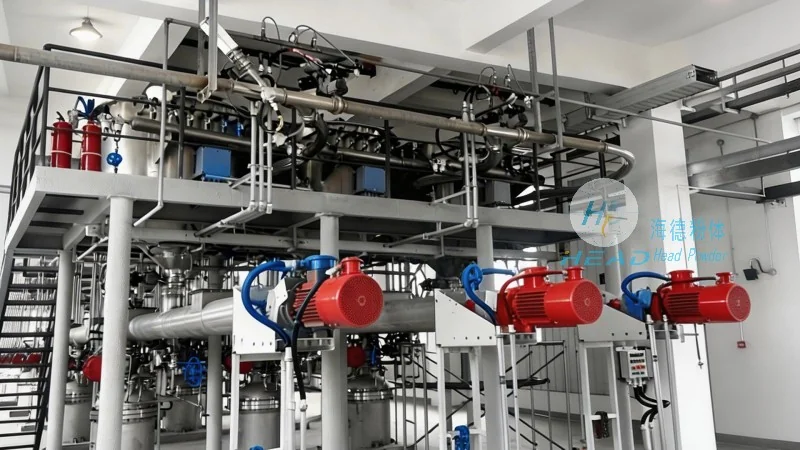
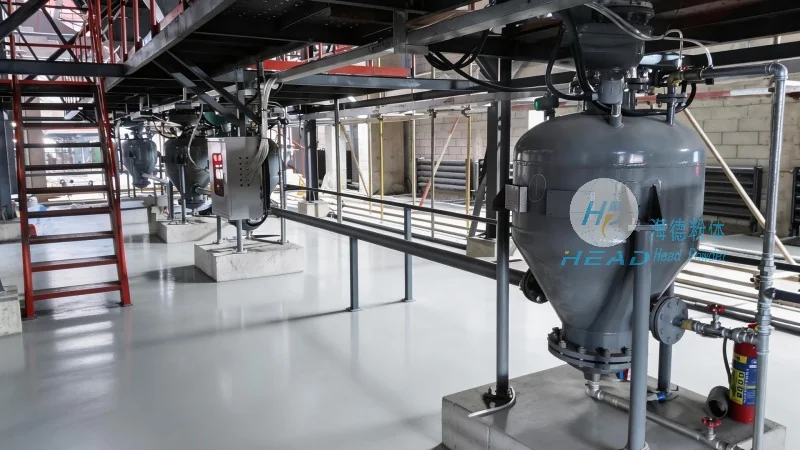
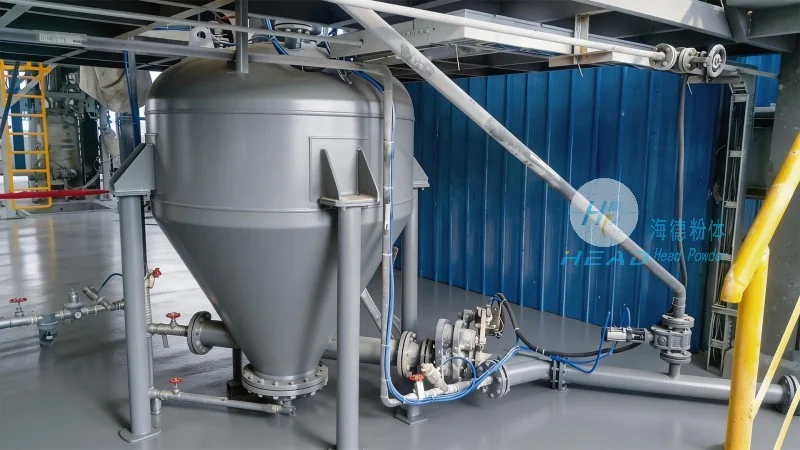
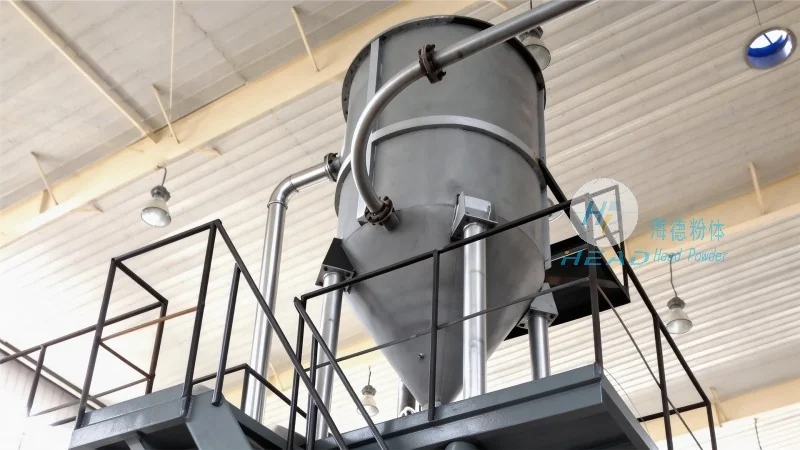
Pneumatic conveying is a sophisticated method of transporting bulk materials, such as corn cobs, through a pipeline using a flow of air or other gas. This technology operates on the principle of creating a pressure differential within the system, which propels the material particles through the air stream. For corn cobs, which are characterized by their irregular shapes, varying sizes, and moderate moisture content, a well-designed pneumatic conveying system is essential to ensure effective and low-damage transport. The system typically consists of a series of components, including a material feeder, a pipeline network, and a control system. The material feeder, often a hopper or a rotary valve, introduces the corn cobs into the pipeline at a controlled rate. The pipeline, made of materials like stainless steel or plastic, is designed to withstand the pressure and abrasion caused by the material. The control system manages the air flow and pressure, ensuring that the material moves smoothly and consistently. The choice between pressure and vacuum systems depends on the specific application and the distance the material needs to be transported. Pressure systems, which use compressed air to push the material forward, are suitable for short to medium distances and high material loads. Vacuum systems, which create a negative pressure to draw the material into the pipeline, are ideal for longer distances and when the material needs to be transported from multiple sources. For corn cobs, a combination of both systems or a specialized design that accounts for the material's properties is often employed. The design of the conveying system, including the air velocity, pipeline diameter, and the use of appropriate fittings and valves, is critical to achieving optimal performance. Proper air velocity ensures that the material particles are fully entrained in the air stream, preventing blockages and material degradation. The pipeline diameter is chosen based on the material's flow characteristics and the desired flow rate. Fittings and valves, such as elbows, tees, and check valves, are used to direct the material and control the flow. The control system monitors and adjusts the air pressure and flow rate in real-time, responding to changes in material feed rate or pipeline conditions. This dynamic control ensures that the system operates efficiently and reliably, minimizing energy consumption and maximizing material throughput.

 Shandong Headpowder Engineering Co., Ltd.
 156-6277-7102(Manager Zhang)
  0531-83386006
  Zhangqiu District, Jinan City, Shandong Province, China
telephone
WeChatconsult
top