With more than 10‑year industry experience, Shandong Headpowder delivers full‑service pneumatic‑conveying systems and blowers, undertaking nationwide turn‑key powder‑handling projects.
Shandong HeadPowder Engineering Co., Ltd., situated in Shandong, China, specializes in the design and manufacturing of advanced material handling solutions tailored for industries dealing with fine powders like silicone powder. The company's expertise lies in developing efficient conveying systems that address the unique challenges associated with handling such materials, ensuring reliable and safe material transport in various industrial applications.
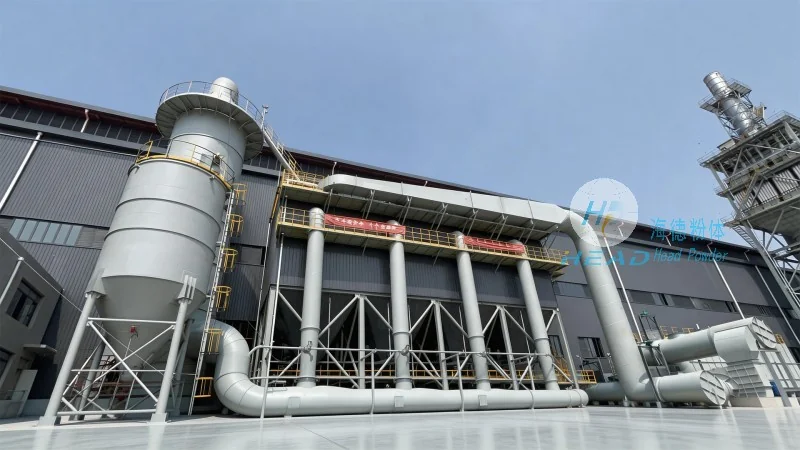
The fundamental principle behind silicone powder material handling conveying lines revolves around the efficient transfer of fine, abrasive, or potentially sticky powders from one point to another within a production facility. Unlike bulk solids, silicone powder presents specific challenges due to its particle size, flow characteristics, and potential for dust generation. Conventional bulk material handling methods often fall short in maintaining consistent flow rates and preventing material degradation or contamination. To overcome these challenges, specialized conveying technologies are employed, such as screw conveyors, pneumatic conveying systems, and bucket elevators, each designed to optimize the handling of silicone powder while minimizing operational risks.
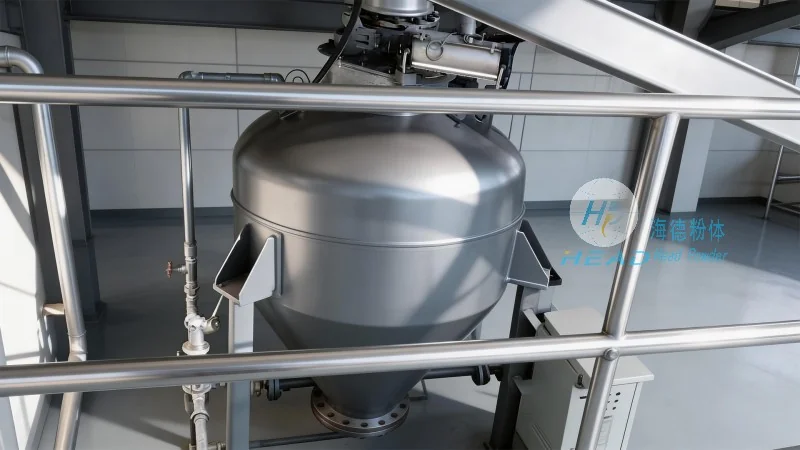
One of the primary working scene characteristics of silicone powder conveying lines is their adaptability to diverse industrial environments. These systems are commonly utilized in sectors like chemical manufacturing, pharmaceutical production, and food processing, where the handling of fine powders is critical. The design of these conveying lines often incorporates features like dust collection systems, explosion-proof components, and material containment measures to ensure compliance with safety regulations and maintain product integrity. Additionally, the working scene characteristics include the ability to handle varying powder compositions and moisture levels, making them versatile for different production stages, from raw material input to finished product packaging.
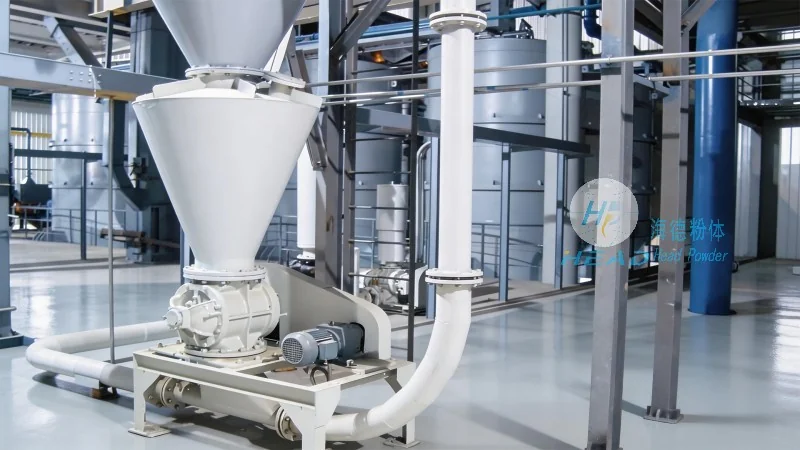
Shandong HeadPowder Engineering Co., Ltd. emphasizes the technical advantages of their silicone powder conveying lines, which contribute to enhanced operational efficiency and cost-effectiveness. For instance, screw conveyors, a common component in such systems, provide a continuous, low-maintenance method of transporting powder horizontally or at a slight incline. The smooth, helical design minimizes material degradation and reduces the risk of clogging, which is particularly important for delicate silicone powders that can be easily damaged by friction or impact. Pneumatic conveying systems, on the other hand, offer advantages in vertical or long-distance transport, utilizing air pressure to move powder through pipelines, which can be more energy-efficient for certain applications. The combination of these technologies, tailored to the specific properties of silicone powder, ensures optimal performance in terms of flow rate, material throughput, and system reliability.
The working scene characteristics of silicone powder conveying lines also involve application-specific design considerations that cater to the unique demands of each industry. In chemical manufacturing, for example, the conveying system may need to integrate with existing process equipment, such as reactors or mixers, requiring seamless material transfer without cross-contamination. In pharmaceutical settings, stringent hygiene and cleanliness standards dictate the use of stainless steel components, sealed systems, and advanced filtration to prevent particle contamination. Food processing applications further require compliance with food-grade materials and strict sanitation protocols, ensuring that the conveying line does not introduce any contaminants into the silicone powder. These design considerations are crucial for maintaining product quality and meeting regulatory requirements across different sectors.
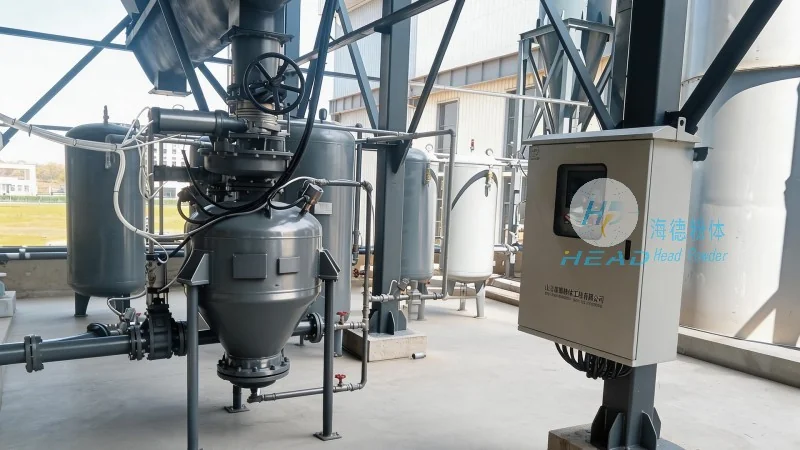
A critical aspect of silicone powder material handling conveying lines is the emphasis on safety and reliability in industrial operations. The systems are engineered with safety features such as emergency stop mechanisms, overload protection, and dust explosion prevention measures, which are essential in environments where fine powders can pose fire or explosion risks. Regular maintenance and monitoring of the conveying components, including bearings, seals, and drive systems, are also integral to ensuring long-term reliability and minimizing downtime. Shandong HeadPowder Engineering Co., Ltd. adheres to international safety standards and provides comprehensive support, including installation, training, and after-sales service, to help clients maintain the safety and efficiency of their silicone powder conveying lines over time.

 Shandong Headpowder Engineering Co., Ltd.
 156-6277-7102(Manager Zhang)
  0531-83386006
  Zhangqiu District, Jinan City, Shandong Province, China
telephone
WeChatconsult
top