With more than 10‑year industry experience, Shandong Headpowder delivers full‑service pneumatic‑conveying systems and blowers, undertaking nationwide turn‑key powder‑handling projects.
Understanding the core principles and operational environments of sugar powder conveying equipment is essential for optimizing material handling processes in various industrial applications. This article delves into the fundamental mechanisms behind these systems, alongside key characteristics that define their effectiveness in real-world scenarios.
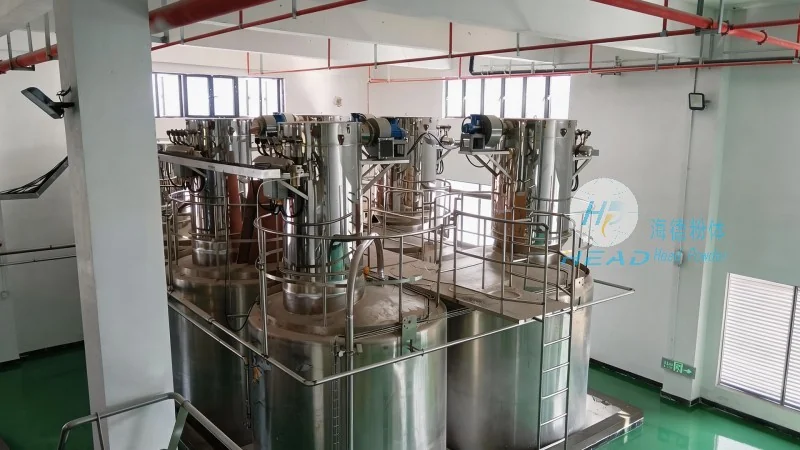
HeadPowder, a leading manufacturer based in Shandong, China, specializes in the design, development, and implementation of advanced powder handling solutions. With a strong commitment to engineering excellence and customer-centric service, the company has established itself as a trusted partner for industries reliant on efficient material transport. The company’s headquarters and operational base are located in Shandong, China, where its team of experts leverages decades of experience to deliver tailored solutions for diverse industrial needs.
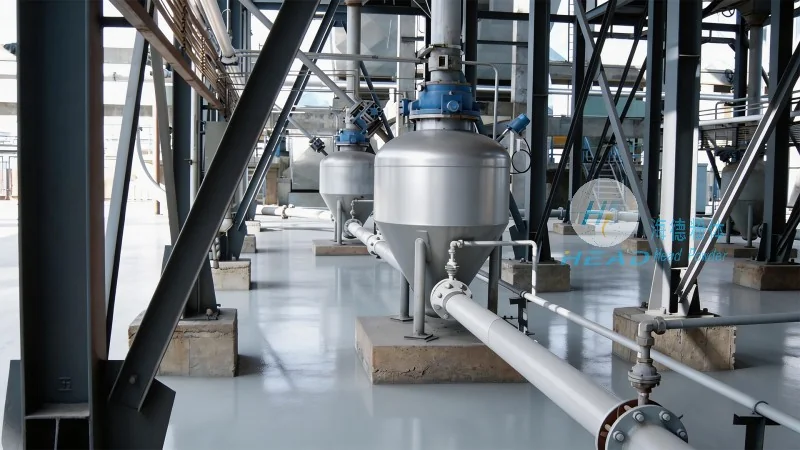
The operation of sugar powder conveying systems is grounded in the principles of pneumatic or mechanical transport, depending on the specific design and application requirements. Pneumatic conveyors utilize air pressure to move powdered materials through a network of pipes, while mechanical systems employ screw, belt, or bucket mechanisms to transfer bulk materials. For sugar powder, which is often fine and prone to dusting, the choice of conveying method is critical to maintaining product integrity and preventing clogging. The core components of these systems typically include a hopper for material storage, a conveying mechanism (such as a screw or air duct), and a discharge outlet for delivering the material to the next stage of processing. The design of the hopper and feeding mechanism is particularly important to ensure consistent flow and prevent agglomeration, which can lead to operational inefficiencies. Additionally, many modern systems incorporate control systems that monitor pressure, flow rate, and material level, enabling real-time adjustments to maintain optimal performance.
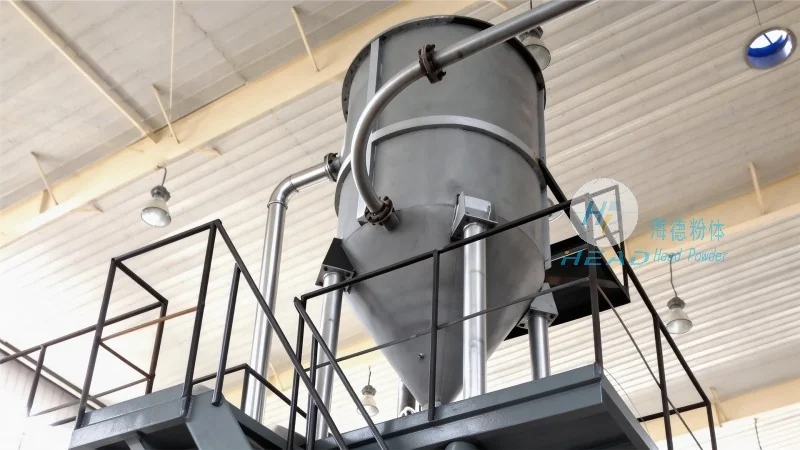
The effectiveness of sugar powder conveying equipment is heavily influenced by the specific working environment in which it operates. Industrial settings such as sugar refineries, food processing plants, and pharmaceutical facilities often require equipment that can handle high volumes of fine powder while maintaining hygiene and product purity. In these environments, the conveyor system must be designed to minimize dust generation and ensure easy cleaning to comply with regulatory standards. The working scene characteristics also include factors like ambient temperature, humidity, and the presence of other materials, which can impact the choice of materials for the conveyor components (e.g., stainless steel or food-grade plastics). For example, in a sugar refinery, the conveyor may need to handle large quantities of raw sugar or refined sugar, with the system designed to handle variations in particle size and moisture content. The operational characteristics of the conveyor, such as speed and capacity, are tailored to match the production rate of the facility, ensuring seamless integration with existing processing lines. Furthermore, the system’s durability and reliability are crucial in high-demand environments, as downtime can result in significant production losses. HeadPowder’s solutions are engineered to address these challenges, with robust construction and advanced control features that enhance performance and longevity.
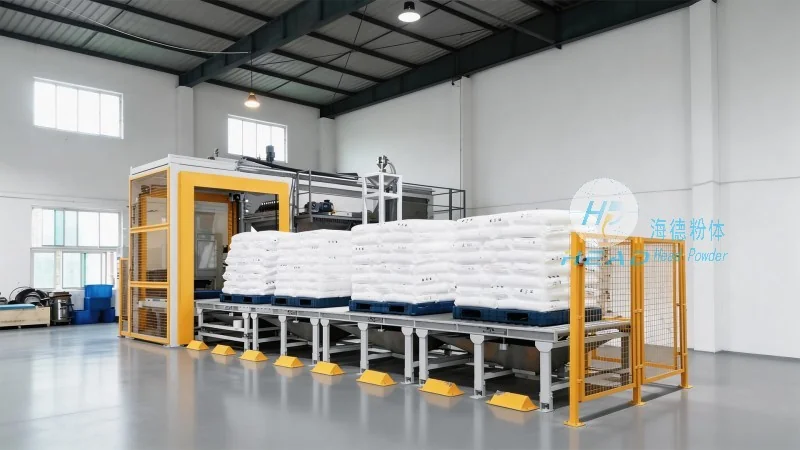
HeadPowder’s sugar powder conveying systems offer several key features that set them apart in the market. These include high efficiency in material transport, with the ability to handle large volumes of fine powder at consistent speeds. The systems are designed for minimal maintenance, with easy access to components for cleaning and repair, reducing downtime and operational costs. Additionally, the equipment is built with materials that resist corrosion and wear, ensuring long-term reliability in harsh industrial environments. The company’s focus on customization allows clients to select the most appropriate conveying method (pneumatic or mechanical) based on their specific needs, whether it’s for short-distance transport or long-distance transfer. The integration of sensors and control systems provides real-time monitoring and automated adjustments, enhancing operational efficiency and product quality. These features collectively contribute to improved productivity, reduced waste, and enhanced safety in the workplace.

 Shandong Headpowder Engineering Co., Ltd.
 156-6277-7102(Manager Zhang)
  0531-83386006
  Zhangqiu District, Jinan City, Shandong Province, China
telephone
WeChatconsult
top