With more than 10‑year industry experience, Shandong Headpowder delivers full‑service pneumatic‑conveying systems and blowers, undertaking nationwide turn‑key powder‑handling projects.
HeadPowder, a leading manufacturer based in Shandong, China, specializes in the design, development, and production of advanced powder handling equipment. As a trusted partner in the industry, HeadPowder Engineering Co., Ltd. has established itself as a key player in providing efficient and reliable solutions for the transportation of pigment powders. This article delves into the fundamental principles behind pigment powder conveying machines and explores the distinctive characteristics of their working environments.
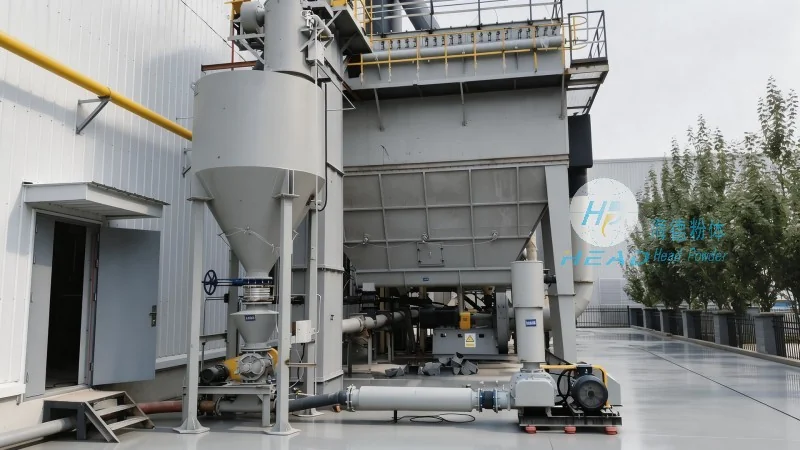
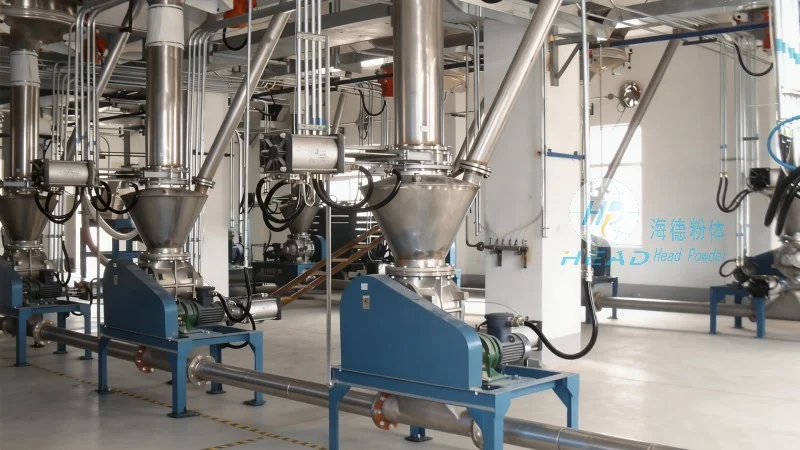
Pigment powder conveying machines are essential equipment used in various industrial applications to transport and handle pigment powders with precision and efficiency. These machines are engineered to address the unique challenges associated with handling fine, dry powders, ensuring minimal loss, contamination, and material degradation during the conveying process. The primary goal of such equipment is to facilitate smooth material flow from storage silos or hoppers to processing units, such as mixers, extruders, or coating lines. By leveraging advanced technologies, these machines enhance productivity while maintaining the quality and integrity of the pigment powders.
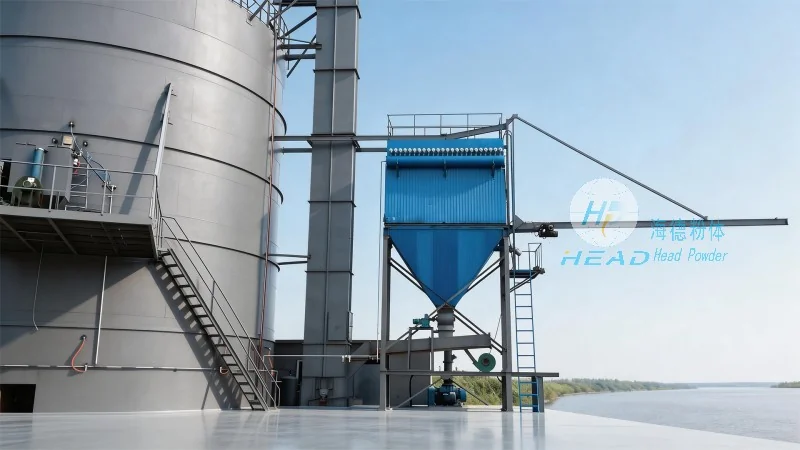
The operation of pigment powder conveying machines typically involves a combination of mechanical and pneumatic systems designed to move powders through a closed or semi-closed pipeline. The core components include a hopper for material storage, a conveyor system (often a screw or pneumatic tube), and control mechanisms to regulate flow rates and pressure. In pneumatic conveying systems, compressed air is used to create a flow that propels the powder particles through the pipeline. This method is particularly effective for transporting fine powders over moderate distances, as it minimizes particle degradation and allows for flexible routing. Screw conveyors, on the other hand, use rotating screws to push the powder forward, providing a more direct and controlled movement suitable for longer distances or vertical lifting. Both systems are equipped with sensors and valves to maintain consistent pressure and prevent blockages, ensuring reliable operation.
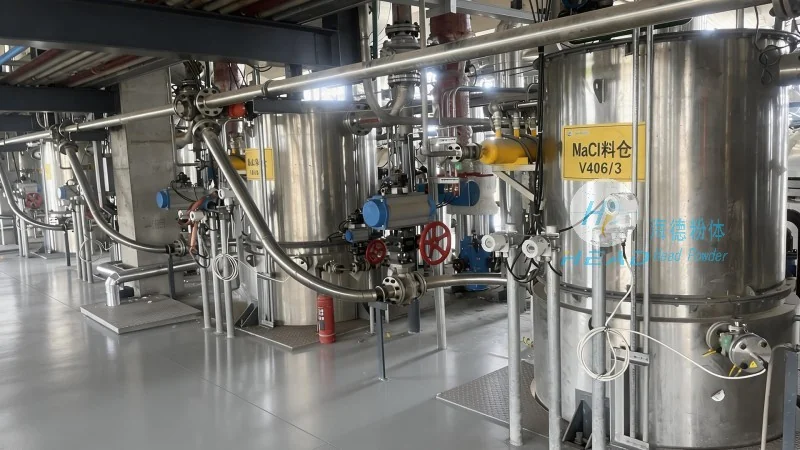
The working scene characteristics of pigment powder conveying machines are influenced by several factors, including the nature of the material, the scale of operations, and the environmental conditions. One of the most critical aspects is the need for dust control and containment. Since pigment powders are often fine and can generate significant dust, conveying systems are designed with sealed enclosures and filtration systems to prevent airborne contamination and ensure workplace safety. This is particularly important in industries like coatings, plastics, and inks, where dust can affect product quality and worker health. Another key characteristic is the requirement for precise flow control. Different applications demand varying powder quantities, and conveying machines must be capable of adjusting flow rates to meet these needs. This is achieved through variable speed drives, pressure regulators, and flow meters, which allow operators to fine-tune the system for optimal performance. Additionally, the working environment may involve high temperatures or corrosive substances, necessitating materials like stainless steel or specialized coatings to protect the equipment from wear and degradation. The design of the conveying system must also consider space constraints and integration with existing production lines, ensuring seamless operation without disrupting workflow.

 Shandong Headpowder Engineering Co., Ltd.
 156-6277-7102(Manager Zhang)
  0531-83386006
  Zhangqiu District, Jinan City, Shandong Province, China
telephone
WeChatconsult
top