With more than 10‑year industry experience, Shandong Headpowder delivers full‑service pneumatic‑conveying systems and blowers, undertaking nationwide turn‑key powder‑handling projects.
HeadPowder, a leading provider of industrial material handling solutions, specializes in the design, manufacturing, and installation of advanced pneumatic conveying systems. Based in Shandong, China, the company leverages decades of expertise to deliver efficient and reliable equipment for transporting inorganic salts and other bulk materials. This article explores the fundamental principles of inorganic salt pneumatic conveying lines and highlights the key characteristics of their operational environments.
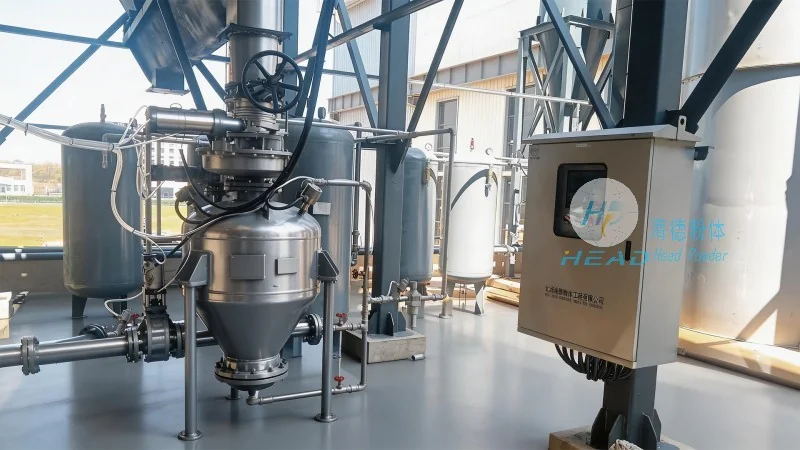
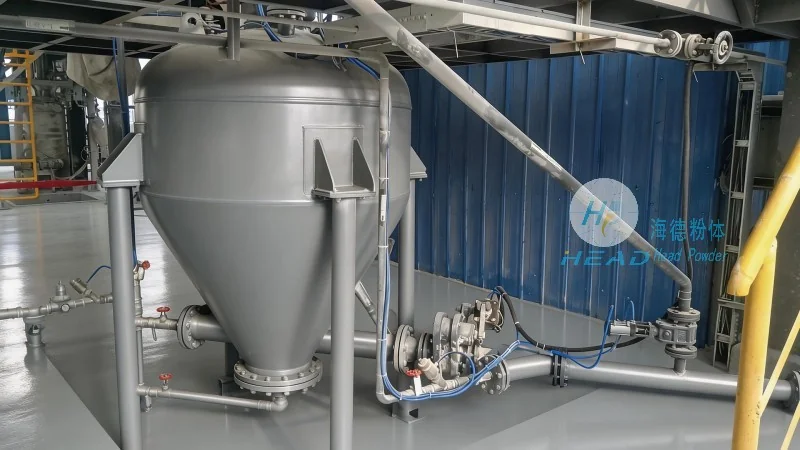
The operation of an inorganic salt pneumatic conveying line relies on the principles of fluid dynamics and air movement to transport bulk materials. At its essence, the system uses compressed air or other gases to create a flow that propels the material through a pipeline. The process typically involves several key components: a material hopper for storage, a feeder to control the flow rate, a conveying line (often made of stainless steel or other corrosion-resistant materials), and a receiver to collect the material at the destination. The compressed air is introduced at one end of the line, creating a pressure differential that draws the material into the air stream. This combination of air and material forms a dense phase or dilute phase flow, depending on the system design and material properties. Dense phase conveying is particularly effective for inorganic salts as it minimizes material degradation, reduces dust generation, and ensures a smooth, continuous flow. The air velocity is carefully controlled to maintain the material in suspension without causing excessive wear on the system components. This controlled environment is crucial for maintaining the quality of the inorganic salts, which are often sensitive to moisture, temperature, and mechanical stress.
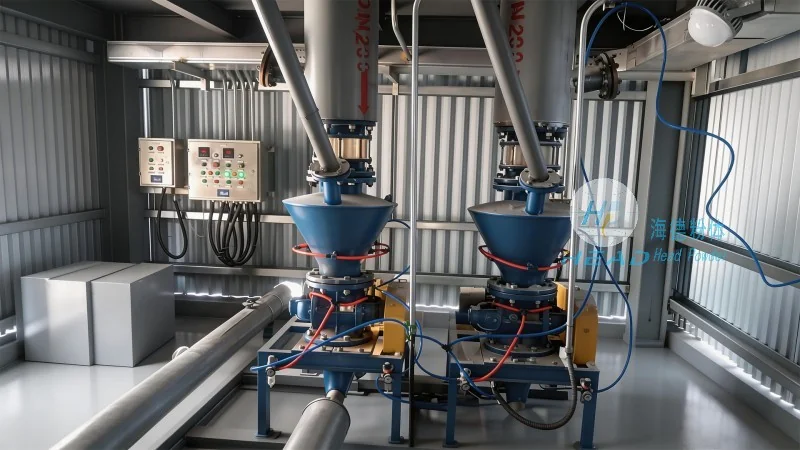
The operational environments for inorganic salt pneumatic conveying lines vary widely based on the specific application and industry. One common scenario is in the chemical and fertilizer industries, where large quantities of salts such as sodium chloride, potassium chloride, or calcium carbonate are transported between processing units. In these settings, the conveying lines are often integrated with other processing equipment, requiring precise control over flow rates and pressure to maintain the quality of the final product. The working environment may involve high temperatures or corrosive substances, necessitating the use of specialized materials for the pipeline and components to ensure durability and safety. Another typical application is in the food processing sector, where salts like table salt or baking soda are conveyed from storage to production lines. Here, the system must meet stringent hygiene standards, with components designed to prevent contamination and facilitate easy cleaning. The working scene may also include multiple transfer points, such as from a silo to a mixer or from a production line to a packaging unit, requiring flexible and adaptable conveying solutions. In industrial settings, the pneumatic conveying line may operate continuously for extended periods, demanding high reliability and minimal maintenance to avoid downtime. The characteristics of the working scene also include considerations for space constraints, as the system can be designed to fit into compact areas, making it suitable for facilities with limited floor space. Additionally, the system's ability to handle different particle sizes and moisture content makes it versatile for various inorganic salt applications, from fine powders to coarse granules. The operational environment may also involve integration with other automation systems, such as sensors and control panels, to monitor and adjust the conveying process in real-time, ensuring optimal performance and material quality.
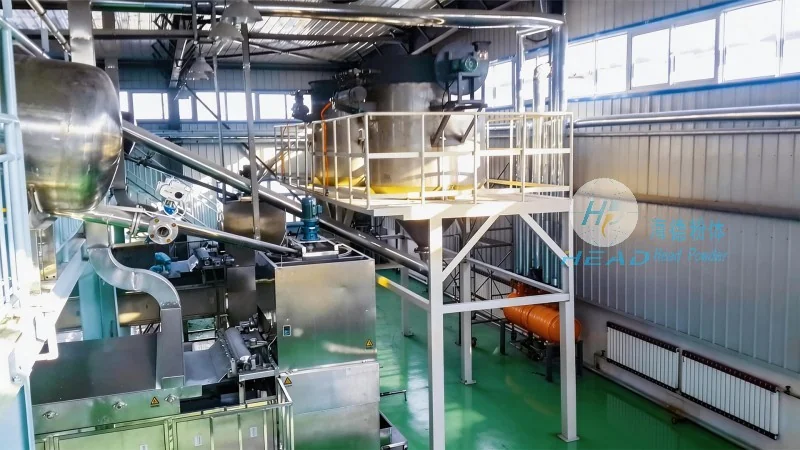
Implementing an inorganic salt pneumatic conveying line offers several advantages for industrial operations. One of the primary benefits is the ability to transport materials over long distances without the need for intermediate storage or manual handling. This reduces labor costs and minimizes the risk of material contamination or loss. The system also provides a closed environment, which is essential for preventing dust emissions and maintaining product purity, especially for inorganic salts used in food or pharmaceutical applications. Additionally, the compact design of the conveying line allows for efficient use of space, making it ideal for facilities with limited room for traditional conveyor systems. From a maintenance perspective, pneumatic conveying systems are generally low-maintenance, with fewer moving parts compared to mechanical conveyors, reducing the likelihood of breakdowns and lowering long-term operational costs. However, there are considerations to keep in mind when selecting or operating such a system. The initial investment cost can be higher than other conveying methods, and the system requires a reliable source of compressed air, which may involve additional infrastructure and energy costs. The material properties of the inorganic salts, such as their density, moisture content, and particle size distribution, must be carefully evaluated to ensure the system is designed for optimal performance. For example, highly abrasive salts may require more robust components to prevent wear and tear, while hygroscopic salts may need additional measures to prevent moisture absorption during transport. The working environment's temperature and humidity levels also impact the system's performance, as excessive moisture can lead to material clumping or corrosion of the equipment. Overall, the benefits of an inorganic salt pneumatic conveying line, including efficiency, hygiene, and space-saving advantages, often outweigh the initial costs and operational considerations when properly designed and maintained.

 Shandong Headpowder Engineering Co., Ltd.
 156-6277-7102(Manager Zhang)
  0531-83386006
  Zhangqiu District, Jinan City, Shandong Province, China
telephone
WeChatconsult
top