With more than 10‑year industry experience, Shandong Headpowder delivers full‑service pneumatic‑conveying systems and blowers, undertaking nationwide turn‑key powder‑handling projects.
Efficient and reliable dry sludge powder pneumatic conveying systems are crucial in modern waste management and industrial processes. These systems offer a sustainable solution for transporting dry sludge, a byproduct of wastewater treatment and other industrial operations, with minimal environmental impact and operational efficiency. Understanding the working principle and key features of such systems is essential for selecting the right equipment for specific applications.
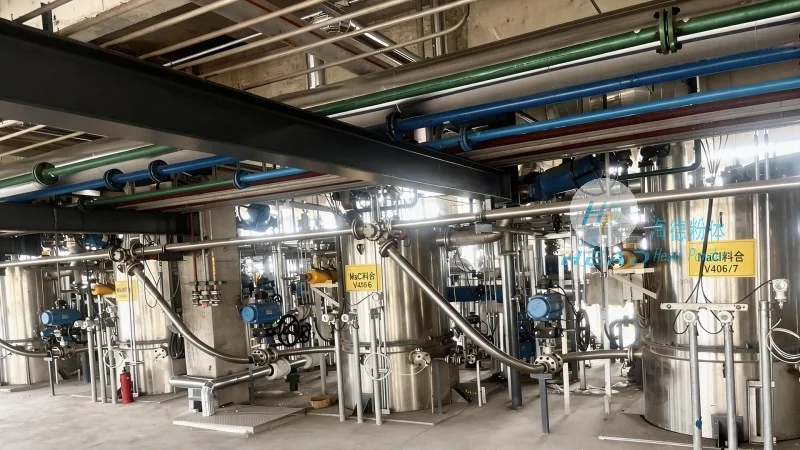
The core mechanism of a dry sludge powder pneumatic conveying system involves the use of compressed air or gas to transport dry sludge particles through a pipeline. This process typically operates under either positive pressure (pressure conveying) or negative pressure (vacuum conveying), depending on the system design and application requirements. The system comprises several key components, including a sludge feeder, a conveying line, a separation unit, and a control system. The sludge feeder, often a rotary valve or a screw feeder, introduces the dry sludge powder into the pipeline at a controlled rate. Compressed air is then introduced into the pipeline, creating a flow that propels the sludge particles forward. The separation unit, such as a cyclone or a bag filter, is used to separate the sludge from the air stream at the end of the conveying line, ensuring that the sludge is deposited at the desired destination while the air is either recirculated or released safely.
Positive pressure conveying systems are commonly used for long-distance or high-capacity applications, as they can maintain consistent pressure throughout the pipeline, reducing the risk of blockages and ensuring smooth operation. In contrast, negative pressure systems are suitable for shorter distances or applications where the environment needs to be protected from dust emissions. The choice between these two modes depends on factors such as the distance to be covered, the volume of sludge to be transported, and the need for dust control. The control system plays a vital role in regulating the flow rate of both the sludge and the air, ensuring optimal performance and preventing system overload.
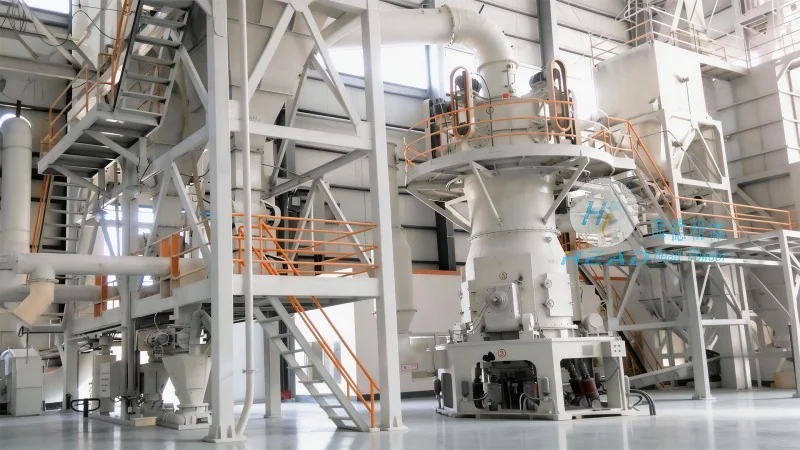
Dry sludge powder pneumatic conveying systems offer several advantages that make them an attractive choice for industrial and municipal applications. One of the primary features is their high efficiency in transporting dry sludge with minimal energy consumption. By using compressed air as the driving force, these systems can move large volumes of sludge over considerable distances with relatively low operational costs compared to traditional methods like truck transport or belt conveyors. This efficiency is particularly beneficial for large-scale wastewater treatment plants and industrial facilities that generate substantial amounts of dry sludge.
Another significant feature is the environmental friendliness of these systems. Unlike traditional methods that may involve open-air transport or manual handling, pneumatic conveying systems minimize dust emissions and prevent the spread of odors, contributing to a cleaner and safer working environment. The enclosed pipeline design ensures that the sludge is contained during the entire conveying process, reducing the risk of contamination and environmental pollution. This feature is especially important for applications where compliance with environmental regulations is critical.
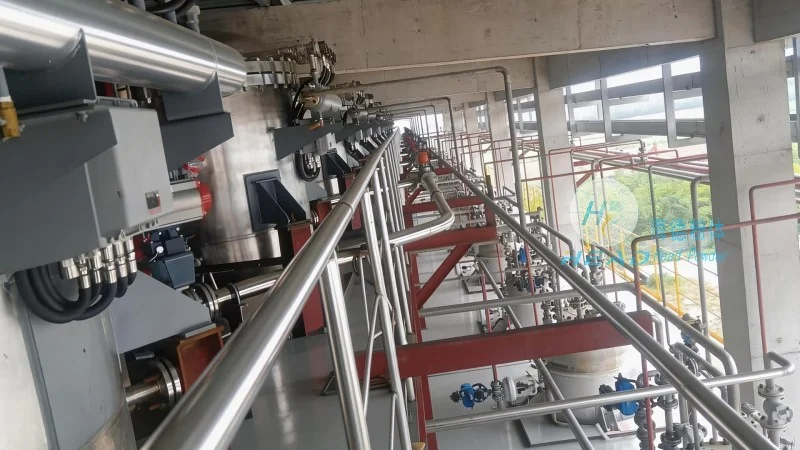
Low maintenance requirements are also a notable characteristic of dry sludge powder pneumatic conveying systems. The absence of moving parts in the conveying line, apart from the feeder and separation unit, reduces the likelihood of mechanical failures and the need for frequent repairs. This results in lower maintenance costs and increased system reliability over time. Additionally, the system's design allows for easy cleaning and maintenance, as components can be accessed and serviced without extensive downtime. This makes the system suitable for continuous operation in demanding industrial environments.
Customization and scalability are other key features that make these systems versatile. Shandong HeadPowder Engineering Co., Ltd., a leading provider of pneumatic conveying solutions, offers tailored systems that can be adapted to meet specific project requirements. Whether for short or long-distance transport, high or low capacity, the company's expertise in system design and engineering ensures that the optimal solution is provided. The systems can be scaled up or down to accommodate varying production levels, making them suitable for both small-scale operations and large industrial facilities. This flexibility allows clients to invest in a system that matches their current needs while providing room for future expansion.
Reliability and durability are further important aspects of dry sludge powder pneumatic conveying systems. The use of high-quality materials, such as stainless steel for the conveying line and separation unit, ensures that the system can withstand the corrosive nature of dry sludge and the harsh operating conditions. This durability reduces the need for frequent replacements and extends the system's service life. The robust design also minimizes the risk of system downtime, which is critical for maintaining continuous operation in industrial settings. Shandong HeadPowder Engineering Co., Ltd. employs rigorous quality control measures during the manufacturing process to ensure that each component meets the highest standards, further enhancing the system's reliability.
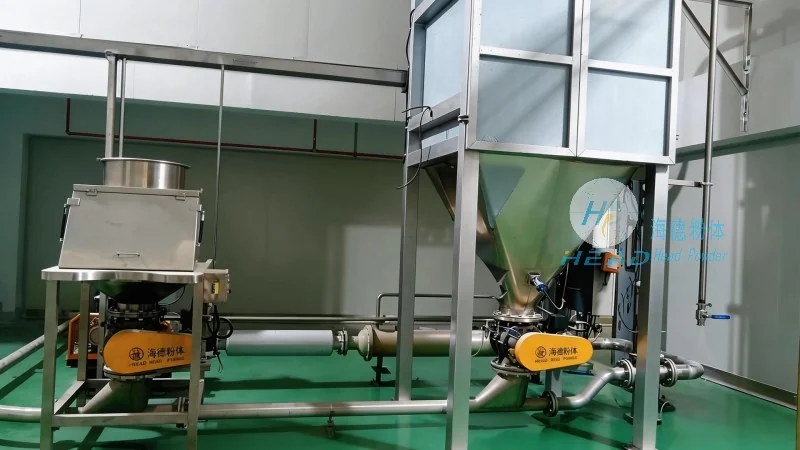
Dry sludge powder pneumatic conveying systems represent a sophisticated and efficient solution for the transportation of dry sludge in various industrial and municipal applications. By leveraging the principles of pneumatic conveying, these systems offer significant advantages in terms of efficiency, environmental impact, and operational reliability. The working principle, which involves the use of compressed air to transport dry sludge particles through an enclosed pipeline, ensures that the material is moved safely and effectively. The key features, including high efficiency, environmental friendliness, low maintenance, and scalability, make these systems a preferred choice for modern waste management and industrial processes.
Shandong HeadPowder Engineering Co., Ltd., based in China, is a reputable company specializing in the design, manufacturing, and supply of pneumatic conveying systems. With years of experience in the industry, the company has developed a strong reputation for delivering high-quality, customized solutions that meet the diverse needs of its clients. The company's commitment to innovation and quality ensures that its systems are at the forefront of technological advancements, providing reliable and efficient solutions for dry sludge transportation. Whether for wastewater treatment plants, industrial facilities, or other applications requiring dry sludge handling, Shandong HeadPowder Engineering Co., Ltd. offers comprehensive solutions that enhance operational efficiency and environmental sustainability.

 Shandong Headpowder Engineering Co., Ltd.
 156-6277-7102(Manager Zhang)
  0531-83386006
  Zhangqiu District, Jinan City, Shandong Province, China
telephone
WeChatconsult
top