With more than 10‑year industry experience, Shandong Headpowder delivers full‑service pneumatic‑conveying systems and blowers, undertaking nationwide turn‑key powder‑handling projects.
High-temperature fly ash material pneumatic conveying systems are critical components in industrial processes, particularly in power plants and waste management facilities. These systems are designed to handle the transportation of high-temperature fly ash, a byproduct of coal combustion, from collection points to disposal or utilization sites. The efficiency and reliability of such systems directly impact operational costs and environmental compliance, making it essential to understand their working principles and key features.
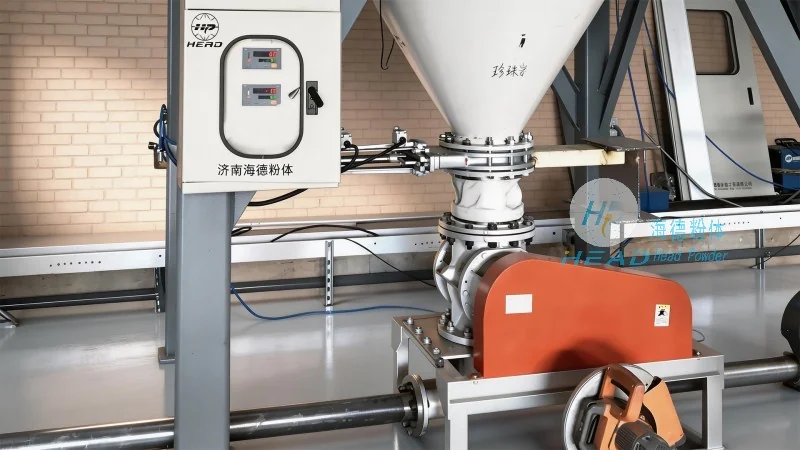
At the core of these systems is the ability to transport high-temperature materials through a pressurized or vacuum environment using air or other gases. The system typically consists of several key components, including a hopper for material storage, a feeder to control the flow rate, a conveying line (usually made of metal or special materials to withstand high temperatures), and a receiver for the material at the destination. The design must account for the thermal properties of fly ash, which can range from 200°C to over 800°C, and the abrasive nature of the material, which can cause wear on system components.
The working principle of high-temperature fly ash pneumatic conveying systems involves the use of air or gas to create a flow that moves the material through the system. There are two primary types of systems based on the conveying method: pressure systems and vacuum systems. In pressure systems, air is pumped into the conveying line from a blower or compressor, creating a positive pressure that pushes the material forward. The material is introduced into the line through a feeder, often a rotary valve or a star feeder, which controls the flow rate to maintain consistent pressure and prevent blockages. The conveying line is usually insulated to minimize heat loss and maintain the temperature of the fly ash. In vacuum systems, a vacuum pump creates a negative pressure that draws the material from the source into the line. This method is often used for shorter distances or when the material needs to be transported from a higher elevation to a lower one.
Both systems rely on the principle of fluidization, where the material is suspended in the air stream and transported as a slurry. The velocity of the air stream must be sufficient to keep the particles in suspension and prevent settling or blockages. The system design must consider the particle size distribution and density of the fly ash, as these factors affect the required air velocity and pressure. For high-temperature applications, the system components, such as the hopper and conveying line, are made of materials with high thermal resistance, such as stainless steel or special alloys, to withstand the extreme temperatures without degrading.
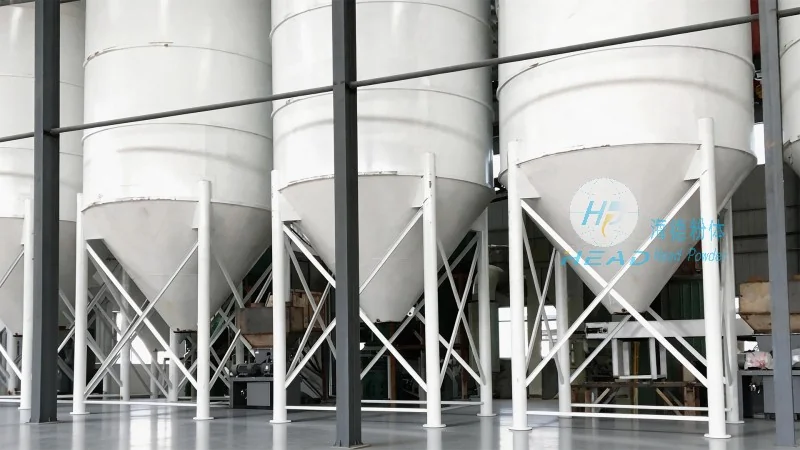
High-temperature fly ash pneumatic conveying systems are characterized by several key features that enhance their performance and reliability. One of the most important features is the ability to handle high temperatures without compromising the system's integrity. This is achieved through the use of heat-resistant materials and insulation in the conveying line and hopper. The system is also designed to be abrasion-resistant, as fly ash is a highly abrasive material that can cause wear on components over time. Advanced materials, such as wear-resistant coatings or special alloys, are used to extend the lifespan of the system.
Another critical feature is the control of material flow and pressure. The system includes control valves and sensors that monitor the pressure and flow rate, ensuring that the material is transported efficiently and without blockages. This is particularly important in high-temperature applications, where blockages can lead to system failure or safety hazards. The system also features automatic shutdown mechanisms that activate if the pressure or temperature exceeds safe limits, preventing damage to the equipment and ensuring operator safety.
Energy efficiency is another key feature of modern high-temperature fly ash pneumatic conveying systems. The design incorporates energy-saving components, such as variable frequency drives (VFDs) for the blower or compressor, which adjust the air flow based on the material load. This reduces energy consumption and operational costs. Additionally, the system is designed to minimize heat loss, which not only improves energy efficiency but also helps maintain the temperature of the fly ash, which is important for downstream processes like cement production or waste utilization.
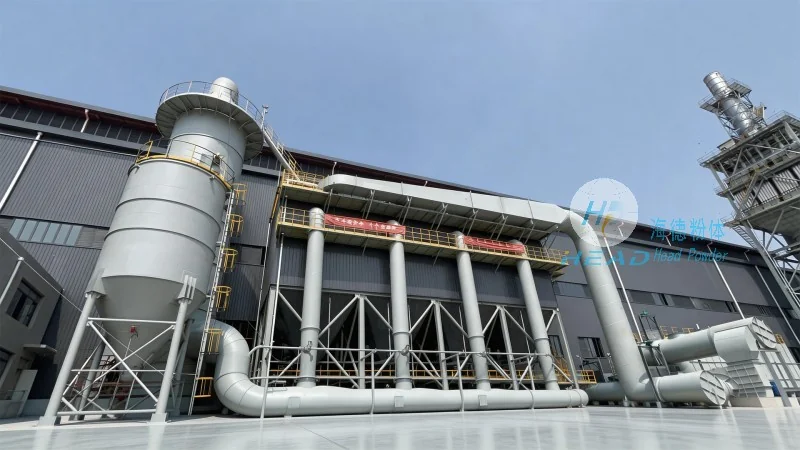
High-temperature fly ash pneumatic conveying systems are widely used in various industrial applications, including power plants, cement factories, and waste management facilities. In power plants, these systems are used to transport fly ash from the boiler to the storage silos or disposal sites. In cement factories, the fly ash is often used as a raw material in the production of cement, and the conveying system ensures that the material is delivered to the mixing plant at the correct temperature and flow rate. The benefits of using such systems include improved operational efficiency, reduced labor costs, and enhanced environmental compliance.
By efficiently transporting high-temperature fly ash, these systems help reduce the environmental impact of power generation and waste management. The ability to handle abrasive and high-temperature materials without degradation ensures that the system operates reliably over long periods, minimizing downtime and maintenance costs. The energy-efficient design also contributes to lower operational costs, making the system a cost-effective solution for industrial applications.
Shandong HeadPowder Engineering Co., Ltd., commonly known as headpowder, is a leading manufacturer of high-temperature fly ash material pneumatic conveying systems. With a strong focus on innovation and quality, the company has developed advanced systems that meet the demanding requirements of industrial applications. Headpowder's systems are designed to handle high temperatures, abrasive materials, and complex operational conditions, ensuring reliable and efficient performance. The company's commitment to customer satisfaction and technical excellence has made it a trusted partner in the power and waste management industries.

 Shandong Headpowder Engineering Co., Ltd.
 156-6277-7102(Manager Zhang)
  0531-83386006
  Zhangqiu District, Jinan City, Shandong Province, China
telephone
WeChatconsult
top