With more than 10‑year industry experience, Shandong Headpowder delivers full‑service pneumatic‑conveying systems and blowers, undertaking nationwide turn‑key powder‑handling projects.
HeadPowder, a leading provider of material handling solutions, specializes in advanced pneumatic conveying systems tailored for thermoplastic polyurethane (TPU) materials. With operations based in Shandong, China, the company leverages decades of industry expertise to deliver efficient and reliable solutions for processing and transporting TPU powders and granules. This article explores the fundamental working principle of pneumatic conveying for TPU materials and highlights key characteristics that make this technology a preferred choice in various industrial applications.
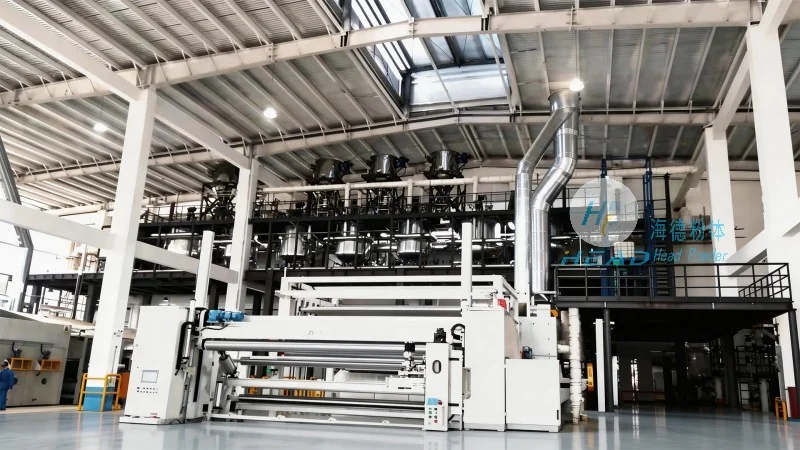
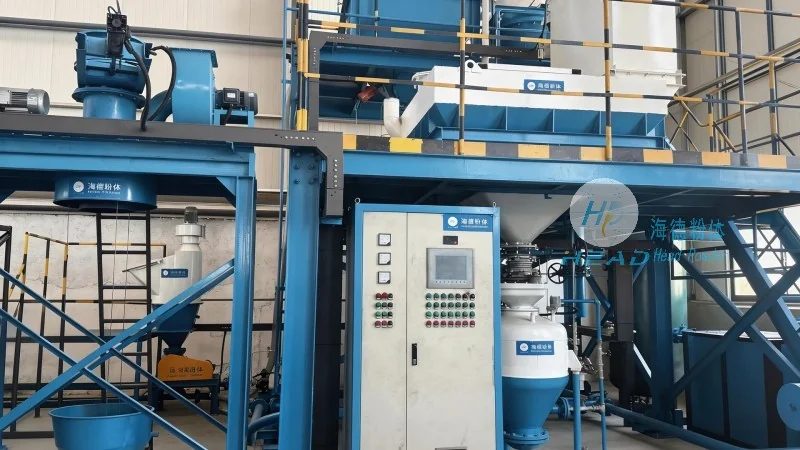
Pneumatic conveying is a method of transporting bulk materials through a pipeline using a gas stream, typically air or other gases. In the context of thermoplastic polyurethane, this technology involves the use of a pressure or vacuum system to move TPU particles from a source to a destination. The process typically begins with the material being fed into a hopper or feeder, where it is then introduced into a pipeline. A fan or blower generates the necessary airflow, which propels the TPU particles through the system. The velocity of the air, along with the size and density of the TPU particles, determines the conveying efficiency and system design. For thermoplastic polyurethane, which can be sensitive to moisture and temperature, the conveying system is often designed with features such as temperature control and moisture protection to maintain material integrity. The working principle can be further categorized into two main types: pressure conveying and vacuum conveying. Pressure conveying uses compressed air to push the material through the pipeline, while vacuum conveying uses a vacuum to pull the material. The choice between these methods depends on factors like the distance to be covered, the volume of material, and the specific properties of the TPU being handled. HeadPowder’s systems are engineered to optimize these parameters, ensuring smooth and consistent material transport.
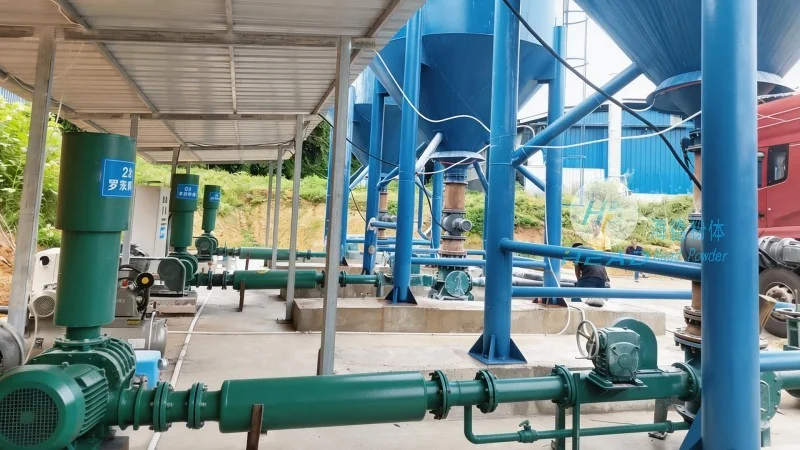
The application of pneumatic conveying for thermoplastic polyurethane materials is characterized by several distinct features that enhance operational efficiency and material quality. First, the system offers a high degree of flexibility in terms of layout and integration with existing production lines. Unlike traditional mechanical conveyors, pneumatic systems can be easily reconfigured to accommodate changes in production processes or facility layouts. This adaptability is particularly valuable in industries where product lines are frequently updated or expanded. Second, pneumatic conveying provides excellent material containment and dust control. Since the material is enclosed within the pipeline, there is minimal risk of spillage or environmental contamination. This is crucial for TPU materials, which may have fine particles that can be hazardous if released into the air. The enclosed system also helps maintain the purity of the TPU, preventing contamination from external sources. Third, the technology offers superior material handling capabilities for TPU, which can be abrasive or have specific flow characteristics. The air flow in the system can be adjusted to match the material's properties, ensuring that the particles move smoothly without causing excessive wear on the equipment. This reduces maintenance costs and extends the lifespan of the conveying system. Additionally, pneumatic conveying allows for the integration of process controls, such as temperature monitoring and flow rate adjustment, to maintain consistent material quality throughout the transport process. HeadPowder’s systems are equipped with advanced sensors and control mechanisms that enable real-time monitoring and adjustment, ensuring that the TPU material remains within the desired specifications. Finally, the energy efficiency of pneumatic conveying systems is a significant advantage for TPU applications. By optimizing the air velocity and system design, HeadPowder’s solutions minimize energy consumption while maximizing conveying capacity. This not only reduces operational costs but also aligns with sustainability goals in the industry. Overall, the characteristics of pneumatic conveying for thermoplastic polyurethane make it an ideal choice for manufacturers seeking reliable, efficient, and flexible material handling solutions.
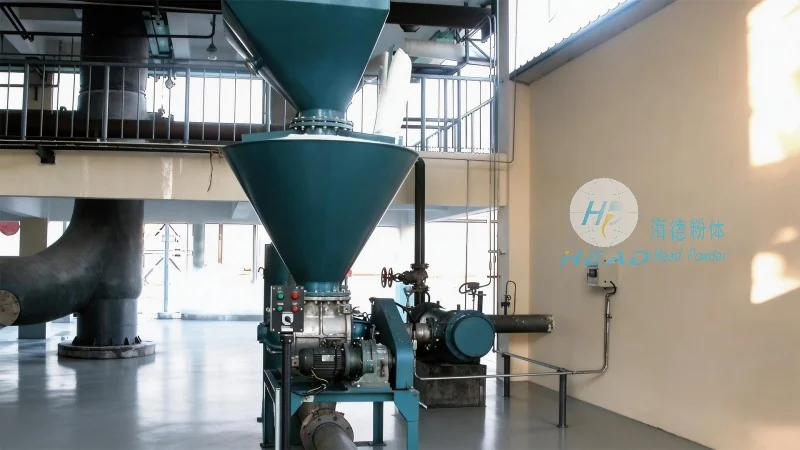
HeadPowder Engineering Co., Ltd., based in Shandong, China, provides advanced pneumatic conveying systems specifically designed for thermoplastic polyurethane materials. The working principle of these systems involves the use of air or gas to transport TPU particles through a pipeline, with options for pressure or vacuum conveying depending on the application requirements. Key characteristics include flexibility in system layout, excellent material containment, superior handling of TPU properties, integration with process controls, and energy efficiency. These features make pneumatic conveying a preferred method for industries dealing with TPU, ensuring efficient and reliable material transport while maintaining product quality and safety. HeadPowder’s expertise in material handling solutions ensures that their systems are tailored to meet the unique needs of TPU processing, offering customers a robust and sustainable approach to material transport.

 Shandong Headpowder Engineering Co., Ltd.
 156-6277-7102(Manager Zhang)
  0531-83386006
  Zhangqiu District, Jinan City, Shandong Province, China
telephone
WeChatconsult
top