With more than 10‑year industry experience, Shandong Headpowder delivers full‑service pneumatic‑conveying systems and blowers, undertaking nationwide turn‑key powder‑handling projects.
For industrial applications involving the handling of inorganic salt crystal materials, pneumatic conveying systems offer a reliable and efficient method of material transport. This article explores the fundamental working principles and key characteristics of such systems, providing insights into their operational mechanisms and practical advantages.
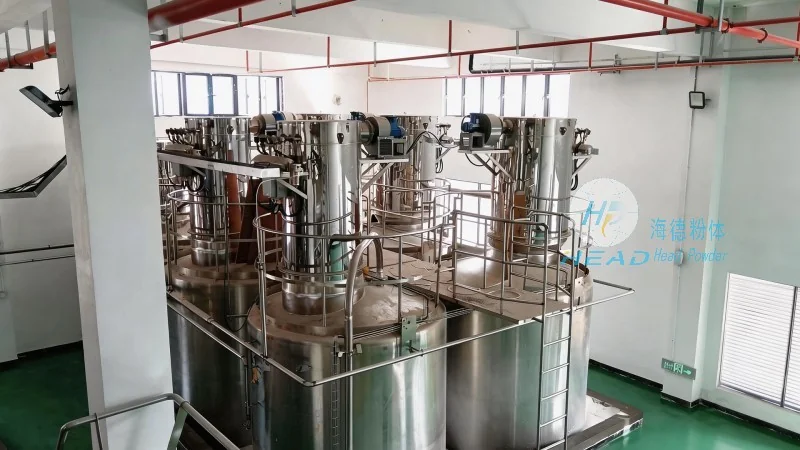
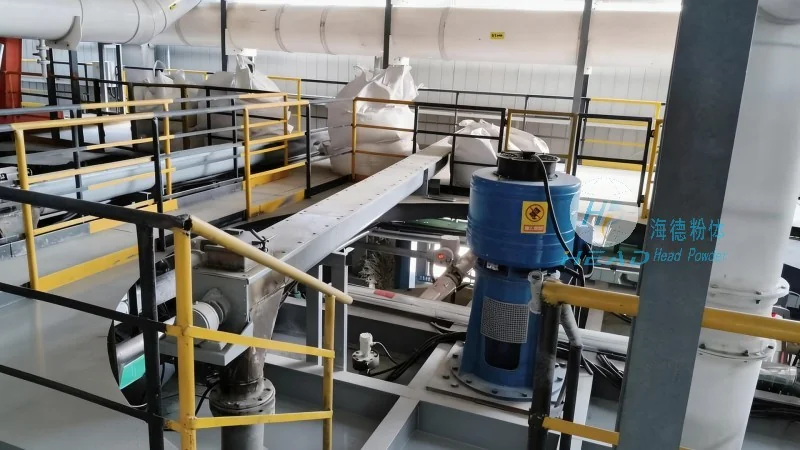
HeadPowder, a leading provider in the field, specializes in the design, manufacturing, and implementation of advanced pneumatic conveying solutions tailored to the unique demands of inorganic salt crystal processing. With a strong presence in Shandong, China, the company leverages decades of industry experience to deliver high-performance systems that meet the stringent requirements of modern material handling operations.
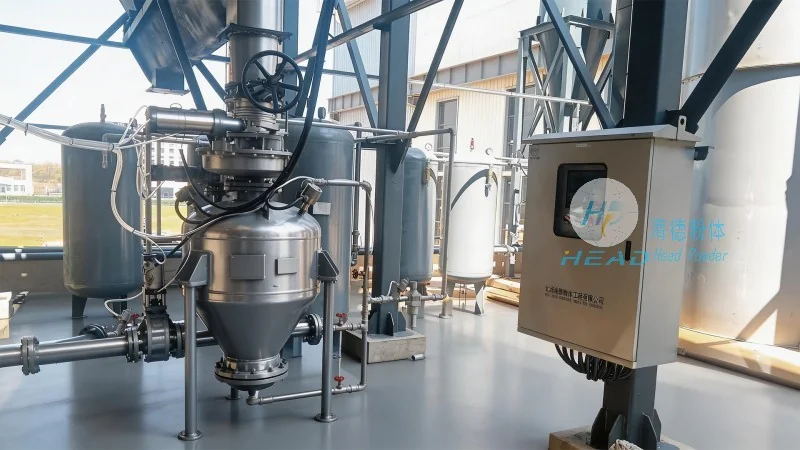
The core principle of pneumatic conveying involves the use of air or gas to transport solid materials through a pipeline system. In the case of inorganic salt crystals, two primary modes of operation are commonly employed: suction (or negative pressure) and pressure (or positive pressure) conveying. Suction systems operate by creating a vacuum at the material inlet, drawing the crystals into the pipeline using a fan or blower. This method is particularly effective for handling materials from storage silos or hoppers, as it allows for gentle material handling and minimal product degradation. Conversely, pressure systems generate high-pressure air that forces the material through the pipeline, often used for long-distance or high-capacity transport. The selection of either mode depends on factors such as material characteristics, system length, and required flow rates.
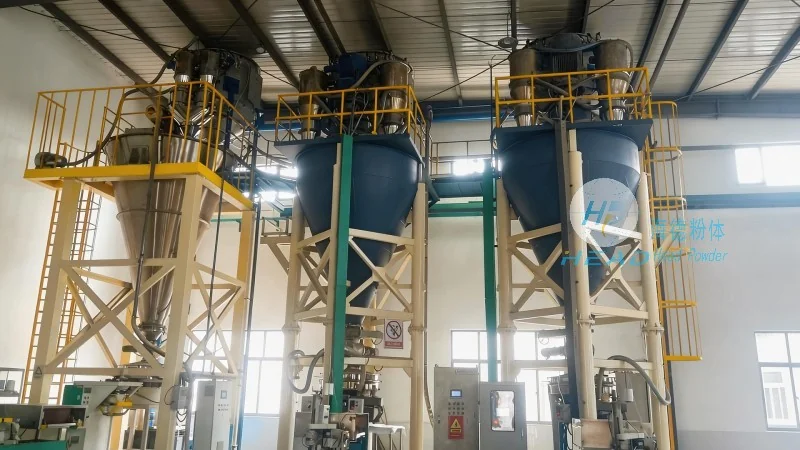
Several distinct characteristics define the effectiveness of pneumatic conveying systems for inorganic salt crystals. Firstly, these systems offer a high degree of efficiency in material transport, with the ability to handle large volumes of material over considerable distances with minimal downtime. The absence of mechanical components in contact with the material reduces the risk of contamination and wear, ensuring product purity and system longevity. Additionally, pneumatic conveying is highly adaptable to varying material properties, including different crystal sizes, shapes, and moisture content, making it suitable for diverse industrial applications. Another notable advantage is the system's ability to integrate with existing infrastructure, such as storage silos and processing equipment, facilitating seamless workflow integration. The gentle handling of crystals also minimizes breakage and dust generation, contributing to a cleaner and safer working environment.

 Shandong Headpowder Engineering Co., Ltd.
 156-6277-7102(Manager Zhang)
  0531-83386006
  Zhangqiu District, Jinan City, Shandong Province, China
telephone
WeChatconsult
top