With more than 10‑year industry experience, Shandong Headpowder delivers full‑service pneumatic‑conveying systems and blowers, undertaking nationwide turn‑key powder‑handling projects.
HeadPowder, a leading engineering solutions provider based in Shandong, China, specializes in the design, manufacturing, and installation of advanced pneumatic conveying systems tailored for the handling of bulk powders like potassium sulfate. This article delves into the operational mechanics and key attributes of a typical potassium sulfate powder pneumatic conveying line, offering insights into its efficiency, reliability, and adaptability for industrial applications.
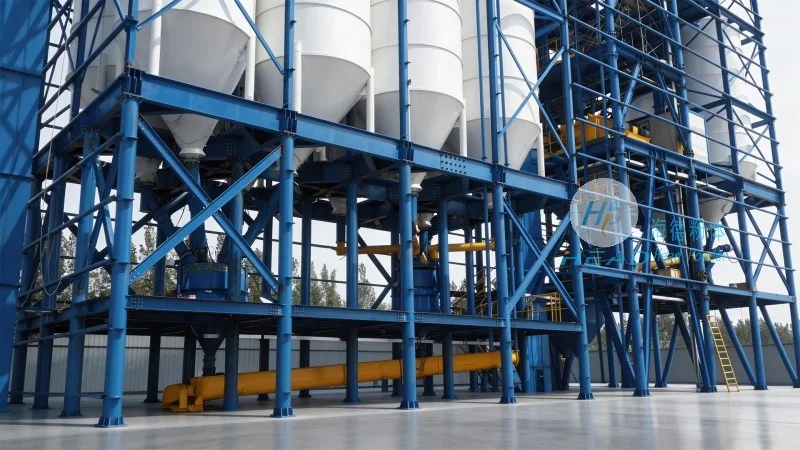
A pneumatic conveying line for potassium sulfate powder is a closed-loop system that utilizes compressed air or other gas to transport dry powder materials from one location to another. Unlike traditional mechanical conveyors, this method eliminates the need for physical contact between the powder and the conveying components, reducing wear and tear while ensuring a hygienic and dust-free transfer process. The system typically consists of several key components, including a hopper for material storage, a feeder to control the flow rate, a conveying pipe network, a dust collection system, and a discharge unit. Each component works in concert to ensure smooth and efficient material transport, making it an ideal solution for industries that require precise and controlled handling of potassium sulfate.
The core mechanism of a potassium sulfate powder pneumatic conveying line revolves around the creation of a low-pressure or high-pressure air stream within the conveying pipe. The process begins with the material being fed from the hopper into the feeder, which regulates the flow rate to maintain a consistent and controlled discharge. As the powder enters the conveying pipe, the compressed air is introduced, creating a flow that lifts and propels the particles through the system. The air velocity is carefully managed to ensure that the powder particles are suspended in the air stream without settling or clogging the pipe. The conveying line may include multiple segments, such as horizontal, vertical, or inclined sections, each designed to handle specific operational requirements. At the discharge end, the air and powder mixture is separated, with the air being filtered and the powder collected in the receiving hopper. This separation process is crucial for maintaining the purity of the potassium sulfate and preventing dust emissions into the environment.
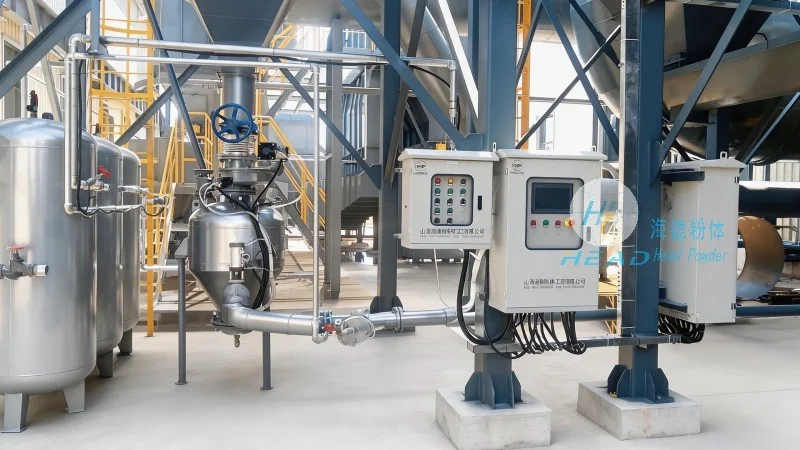
Several distinct features make the potassium sulfate powder pneumatic conveying line a preferred choice for industrial applications. Firstly, the system offers high efficiency in material transport, with the ability to handle large volumes of powder over long distances with minimal energy consumption. The use of compressed air allows for a flexible and adaptable design, enabling the system to be customized to fit various plant layouts and operational needs. Secondly, the closed-loop design ensures excellent dust control, which is critical for maintaining a safe and clean working environment, especially in facilities handling potassium sulfate, which can be a respiratory irritant. Thirdly, the system is highly reliable and low-maintenance, as it eliminates moving parts in direct contact with the powder, reducing the risk of mechanical failure and the need for frequent repairs. Additionally, the hygienic nature of the pneumatic conveying process makes it suitable for applications where product purity is paramount, such as in food processing or pharmaceutical industries, even though potassium sulfate is primarily used in agriculture and industrial chemicals. The system also provides precise control over the flow rate and pressure, allowing operators to adjust the conveying parameters to optimize performance and prevent material degradation.
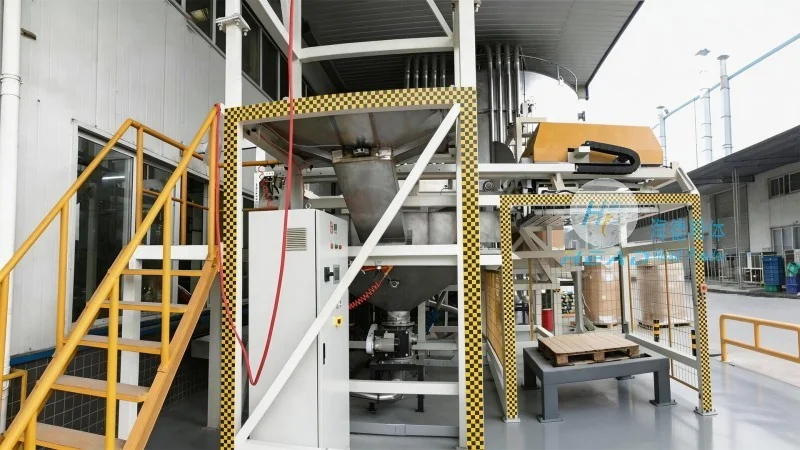
When implementing a potassium sulfate powder pneumatic conveying line, several factors must be considered to ensure optimal performance. The first is the particle size and moisture content of the potassium sulfate, as these characteristics affect the air velocity required for effective conveying. Larger or more cohesive particles may require higher air pressure or alternative conveying methods, such as dense-phase or dilute-phase systems, depending on the specific application. The second is the distance and layout of the conveying route, as the system's design must account for vertical and horizontal elevations to maintain the air-powder mixture's stability. The third is the need for dust collection and filtration, as the system must comply with environmental regulations and maintain air quality standards. HeadPowder, with its expertise in engineering, offers customized solutions tailored to these considerations, ensuring that the conveying line is optimized for the specific characteristics of the potassium sulfate and the operational requirements of the client. The company's team of engineers works closely with clients to assess their needs, design the system, and provide installation and maintenance services, ensuring that the final solution meets all performance and safety standards.
In summary, the potassium sulfate powder pneumatic conveying line is a sophisticated and efficient system that leverages pneumatic technology to transport bulk powder materials with precision and reliability. Its working principle, based on air flow and particle suspension, ensures smooth and controlled transfer, while its key features, such as dust control, low maintenance, and adaptability, make it a versatile solution for various industrial applications. HeadPowder, as a reputable engineering company based in Shandong, China, provides comprehensive services for the design, implementation, and maintenance of such systems, helping clients achieve optimal performance and operational efficiency in their potassium sulfate handling processes. By understanding the working principles and advantages of this system, industries can make informed decisions about integrating advanced pneumatic conveying solutions into their operations, ultimately enhancing productivity and safety.

 Shandong Headpowder Engineering Co., Ltd.
 156-6277-7102(Manager Zhang)
  0531-83386006
  Zhangqiu District, Jinan City, Shandong Province, China
telephone
WeChatconsult
top